
Bamboo aphid
Melanaphis bambusae
Description
How to identify
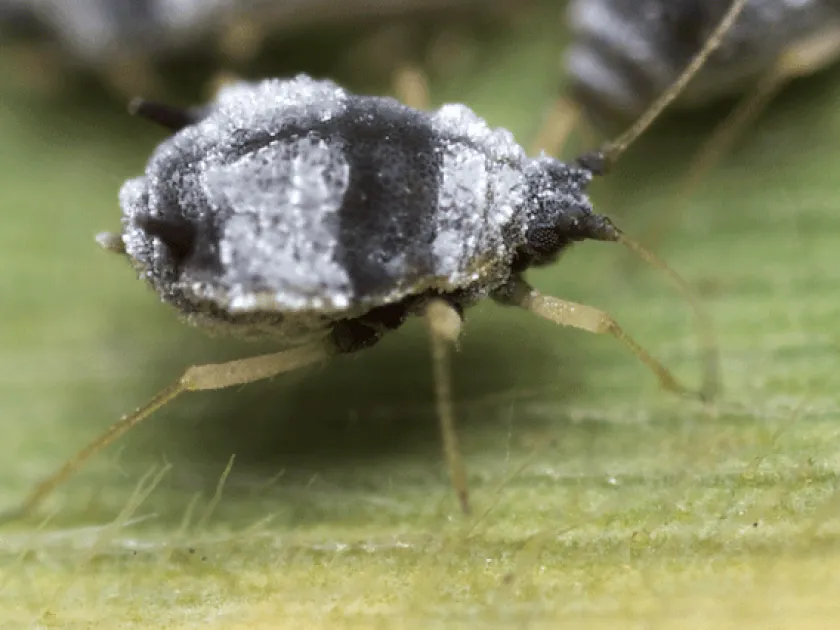
The bamboo aphid, scientifically known as Melanaphis bambusae, is a small hemipteran insect belonging to the family Aphididae. It is a highly specialized pest that thrives on various species of bamboo.
These insects are typically dark brown or black in color. The colony consists of both winged and wingless forms, allowing the population to disperse across the host plant and colonize new areas efficiently throughout the growing season.
The mouthparts of the aphid are modified into a stylet, designed to pierce the tough bamboo tissues and extract phloem sap. This feeding process provides the nutrients necessary for the insect's rapid reproduction and development.
Colonies are frequently found on the undersides of leaves, along the leaf veins, or on the soft tissue of emerging shoots. They often settle in dense clusters, making them visible to the naked eye upon close inspection.
Like many aphid species, Melanaphis bambusae exhibits parthenogenetic reproduction during warmer months, which allows for extremely fast population growth and the potential for rapid infestation of entire plantings.
What it damages
Bamboo aphids target a wide range of bamboo genera, including Phyllostachys and Bambusa. These plants are often decorative, and the damage caused by aphids significantly reduces their aesthetic and structural value.
The primary damage is caused by the extraction of large volumes of sap. This leads to weakened plant vigor, chlorosis, and the curling or yellowing of foliage, which can eventually lead to premature leaf drop.
Aphids excrete a substance called honeydew, a sugary fluid that coats the plant surface. This honeydew serves as a perfect medium for the growth of sooty mold, a fungus that covers leaves in black soot, hindering photosynthesis.
In addition to direct feeding damage, bamboo aphids are known to be vectors for various plant viruses. Viral infections can cause chronic stunting, necrosis, and systemic decline, which are often irreversible.
Massive infestations can drastically reduce the winter hardiness of the bamboo plant. A plant weakened by aphid feeding is more susceptible to secondary stressors, including drought, nutrient deficiency, and frost damage.
Signs of infestation
Initial signs of an infestation include the yellowing of leaf tips and the curling of leaves. As the colony grows, the overall health of the bamboo seems to decline, with visible wilting during the hottest parts of the day.
The presence of honeydew is a primary indicator. If the leaves feel sticky or appear shiny, it is a clear sign that sap-sucking insects are active. This stickiness is often accompanied by the development of black sooty mold.
Ant activity is a classic warning sign. Ants frequently farm aphids to harvest their honeydew and will defend the colony against predators. A high density of ants patrolling bamboo culms is a strong indication of an aphid infestation.
Stunted growth of new shoots is another common symptom. Because aphids prefer the most tender parts of the plant, their feeding can cause the new shoots to become distorted, twisted, or stunted in their development.
- Yellowing and curling of leaf blades.
- Sticky residue on foliage and stems.
- Presence of black sooty mold fungus.
- High ant traffic on bamboo stalks.
- Distorted or stunted young shoot growth.
Control measures
For minor infestations, physical removal using a high-pressure water spray is highly effective. This washes away the insects and the honeydew, helping to prevent the secondary development of sooty mold.
Systemic insecticides, particularly those containing neonicotinoids or similar chemistries, are the most reliable way to manage established colonies. These chemicals are absorbed by the plant and kill aphids upon ingestion.
Biological control can be implemented by encouraging natural predators. Lady beetles (ladybugs), lacewings, and parasitic wasps are excellent at keeping aphid populations in check without the need for chemical intervention.
Interrupting the ant-aphid relationship is a strategic approach. By applying sticky bands to the base of the bamboo culms, you can prevent ants from protecting the aphids, making the pests vulnerable to natural predators.
Maintain healthy plants through proper watering and balanced fertilization. Vigorous bamboo plants have better natural defenses and can recover more quickly from aphid attacks than stressed or neglected specimens.
Taxonomy
- Latin name
- Melanaphis bambusae
- Order
- Hemiptera (bugs, aphids, leafhoppers)
- Family
- Aphididae
- EPPO code
- RHOPBA
Discussion
No discussions yet — be the first.