
Stem mining fly
Melanagromyza chalcosoma
Description
How to identify
The stem mining fly, scientifically known as Melanagromyza chalcosoma, is a member of the Agromyzidae family within the order Diptera. These small insects are specialized pests that complete their larval development inside plant tissues.
Adult flies are typically small with a dark or metallic appearance. They are most active during the day and can be found inspecting host plants for suitable egg-laying sites.
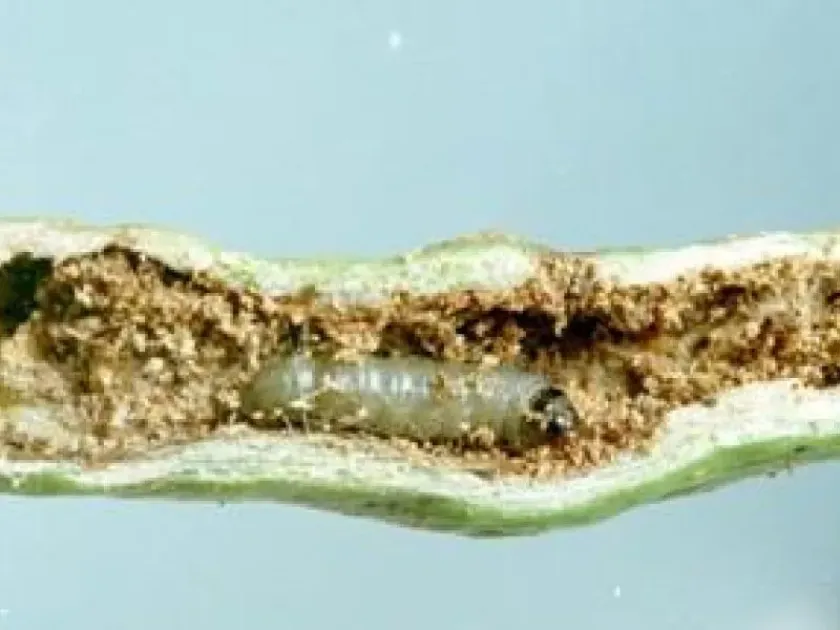
The lifecycle includes eggs, three larval stages, a pupal stage, and the adult stage. The larvae are legless and highly specialized for tunnel creation within the host stem.
The pupal stage is often spent within the plant tissue or near the soil surface, providing a protected environment until the next generation of adults emerges.
Correct identification requires close attention to the specific patterns of damage left on stems, as the insect itself is small and often remains hidden from the observer.
What it damages
The primary damage is caused by the larvae, which feed on the internal stem tissues, creating tunnels that disrupt the plant's vascular system.
Leguminous crops, such as soybeans, are common hosts. This damage results in reduced water and nutrient transport, leading to stunted growth and reduced crop yields.
As the larvae weaken the internal structure of the stem, the plant becomes more susceptible to lodging, which can cause significant harvest losses during windy or rainy weather.
The wounds created by the larvae provide entry points for various pathogenic fungi and bacteria, leading to rot and further weakening of the crop plant.
Economic impact is measured by reduced pod development and seed quality, making early detection and prevention vital for protecting the commercial value of the field.
When it appears
The activity of adult flies starts in the spring and continues through the summer as temperatures rise, allowing for favorable development conditions.
Multiple generations can occur within a single growing season, leading to potential population surges if conditions are optimal for both the host plant and the pest.
Peak infestation usually coincides with the vegetative stage of crop growth, requiring farmers to maintain a strict scouting schedule during these vulnerable weeks.
The winter period is usually passed in the pupal stage, buried in the soil or protected within old crop stubble, ensuring the pest survives until the next planting season.
Environmental factors, particularly humidity and soil temperature, determine the success rate of emergence and the survival of the larvae following egg hatching.
Signs of infestation
Symptoms often start with light, winding lines visible on leaves, which indicate initial mining. However, the most severe damage is hidden within the stem.
Visual inspection of the stem may reveal discoloration or slight swelling, indicating the presence of larval activity inside the plant tissues.
In the field, stunted and yellowing plants are key indicators, especially when these symptoms appear in clusters rather than isolated, randomly scattered instances.
Upon splitting the stem, one can observe tunnels and debris left behind by the feeding larvae, which clearly distinguishes this damage from nutrient deficiencies.
- Premature wilting of the plant canopy during peak sun hours.
- Presence of exit holes on the outer surface of the stem.
- Weakened stems that break easily under physical stress.
Control measures
Crop rotation is the most effective cultural practice, as it prevents the pest from staying in a high-density environment and disrupts the lifecycle.
Post-harvest management, such as deep plowing and the destruction of crop residues, helps eliminate the pupal sites where the fly spends the winter months.
Selecting varieties with natural resistance or tolerance to stem-boring insects can significantly reduce the severity of the damage in infested fields.
Chemical control using systemic insecticides is generally most effective when applied at the onset of adult activity, preventing eggs from being laid on the plants.
Integrated Pest Management (IPM) strategies, including the use of biological control agents and monitoring with yellow sticky traps, provide sustainable ways to suppress the population.
Taxonomy
- Latin name
- Melanagromyza chalcosoma
- Order
- Diptera (flies)
- Family
- Agromyzidae
- EPPO code
- MEAGCH
Discussion
No discussions yet — be the first.