
Megalobulimus
Megalobulimus
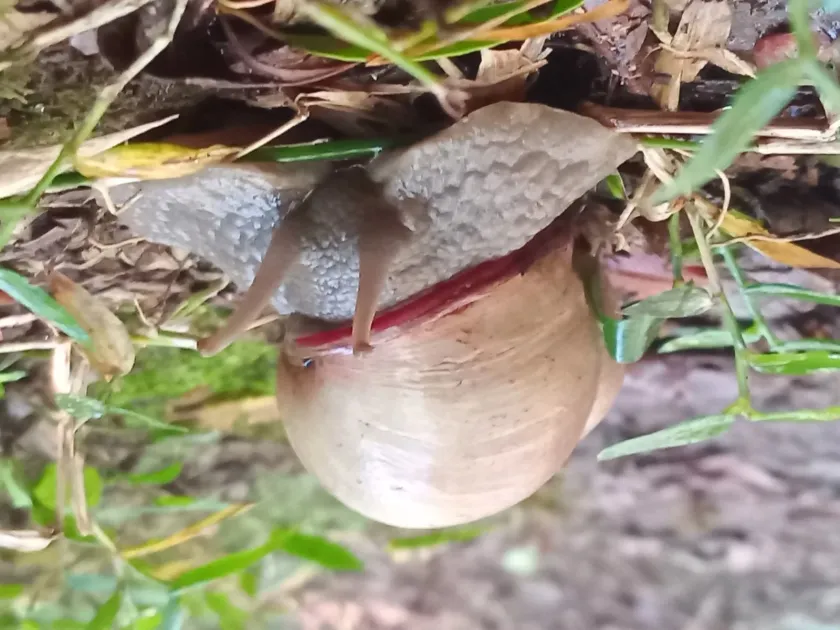
Description
How to identify
Megalobulimus is a genus of large land snails belonging to the family Strophocheilidae. These snails are characterized by a massive, elongated, oval-shaped shell that can grow up to 10 centimeters or more in length.
The soft body of the snail typically ranges in color from light grey to brownish. A powerful, muscular foot allows them to traverse various surfaces, including vertical plant stalks, with significant ease.
Native to the humid tropical and subtropical environments of South America, these snails prefer moist habitats, including leaf litter, decaying organic matter, and thick vegetation.
Reproduction involves laying large, hard-shelled eggs. A single clutch contains a substantial number of eggs, which allows for rapid population growth under favorable environmental conditions.
They exhibit direct development, meaning hatchlings emerge from the eggs as miniature versions of adults, bypassing the larval stage and ensuring a high survival rate in their natural environment.
What it damages
These snails are polyphagous, meaning they feed on a wide variety of plant species, causing significant damage to vegetable crops, ornamental plants, and various seedlings.
Young plants and seedlings are particularly vulnerable. A few adult snails can completely consume young vegetable patches or nursery crops overnight due to their substantial feeding capacity.
Damage occurs on both aerial parts, such as leaves and stems, and on fruits touching the soil. This leads to yield loss and significant reduction in the market value of the produce.
In regions where these snails are prevalent, they can damage citrus and coffee plantations by feeding on tender shoots and bark, which stunts growth and weakens the vigor of young trees.
Furthermore, their feeding activity creates entry points for various pathogens, including fungi and bacteria, which can lead to secondary infections and rot in the damaged plants.
Signs of infestation
The primary sign of a Megalobulimus infestation is the appearance of irregular, jagged holes on leaf margins and centers. Severe infestations can result in the total defoliation of plants.
Shiny, silvery trails of dried mucus left on soil surfaces, stems, and leaves serve as a definitive indicator of the nocturnal activities of these gastropods in the garden or field.
Characteristic fecal pellets left near the base of affected plants provide further evidence of the presence and activity level of the snail population in the area.
During daylight hours, these snails seek refuge in cool, dark, and humid places, such as beneath mulch, under stones, or within dense weed clusters, where they can often be found.
Signs of plant stress, including sudden wilting, yellowing of tissues, and stunted development, are common consequences of persistent feeding by these large garden snails.
Control measures
Cultural control measures are highly effective, including regular weeding and soil cultivation to disrupt the snail’s hiding spots and destroy their egg-laying sites.
Creating physical barriers around vegetable beds using abrasive materials like wood ash, crushed eggshells, or lime can significantly restrict the movement of these pests toward crops.
Chemical control involving molluscicides, specifically those containing metaldehyde, should be applied according to local safety guidelines to ensure the protection of the harvest.
Promoting natural predators in the garden, such as hedgehogs, toads, and ground beetles, helps maintain the population at low levels through biological regulation.
Manual collection during evening or night hours, combined with the use of traps baited with fermented solutions like beer or yeast, serves as a practical solution for smaller gardens.
Taxonomy
- Latin name
- Megalobulimus
- Order
- Molluscs
- Family
- Strophocheilidae
- EPPO code
- MGBUSP
Discussion
No discussions yet — be the first.