
Belted kingfisher
Megaceryle
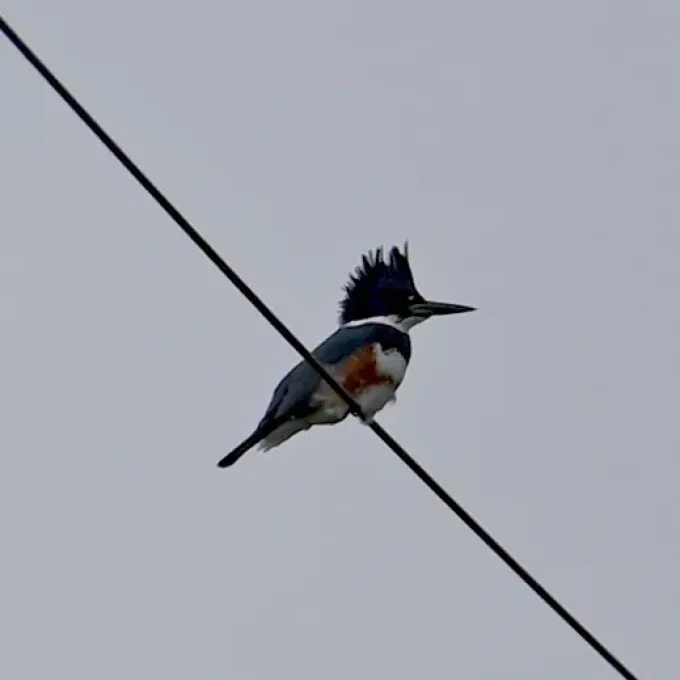
Description
How to identify
The belted kingfisher, belonging to the genus Megaceryle, is a prominent water-dwelling bird characterized by its distinct crested head and slate-blue plumage with white markings.
These birds are equipped with a sharp, heavy beak designed for hunting aquatic prey. They are commonly observed perching on branches overhanging rivers, lakes, and streams, waiting to dive into the water.
Their biology involves nesting in burrows dug into steep earth banks, which provides a safe haven for their young. The life cycle is deeply interconnected with the health and clarity of local aquatic ecosystems.
They are highly territorial birds, maintaining hunting grounds that are often associated with shallow, clear water bodies where they can visually locate fish and large insects.
As a predatory species, their dietary preferences are strictly limited to aquatic life, meaning they do not interact with terrestrial plant physiology or agricultural output.
What it damages
There is no evidence to classify the belted kingfisher as an agricultural pest. They pose no threat to cereals, vegetables, fruits, or any other crop types grown in modern farming.
Agricultural damage caused by these birds is effectively non-existent. Their foraging behavior is restricted to fish and aquatic invertebrates, keeping them away from field crops entirely.
Some farmers might view them as nuisances near private fish ponds; however, this is an issue of aquaculture management rather than a plant pathology or crop protection concern.
The presence of kingfishers is often a sign of a high-quality environment. Their role in the ecosystem is primarily to help control populations of aquatic organisms, which does not negatively impact crop yields.
Consequently, agronomic literature does not include the belted kingfisher in lists of organisms requiring mitigation or control measures within agricultural fields.
Control measures
No control measures are necessary or recommended for the belted kingfisher regarding crop protection, as they are not detrimental to the agricultural industry.
In aquaculture settings, if there is a conflict, the use of visual deterrents or protective netting is advised over any form of lethal control to ensure compliance with wildlife protection laws.
Farmers are encouraged to recognize the ecological value of these birds, as they contribute to the overall balance and biodiversity of the rural landscape.
Agro-ecosystem management focuses on managing genuine pests like aphids, locusts, or fungal pathogens, ensuring resources are directed towards productive agricultural solutions.
Preserving natural habitats surrounding farmland is a best practice that supports beneficial wildlife, including kingfishers, while maintaining sustainable farming operations.
Taxonomy
- Latin name
- Megaceryle
- Family
- Alcedinidae
- EPPO code
- MEGKSP
Discussion
No discussions yet — be the first.