
Honeysuckle aphid
Masonaphis pseudomorrisoni
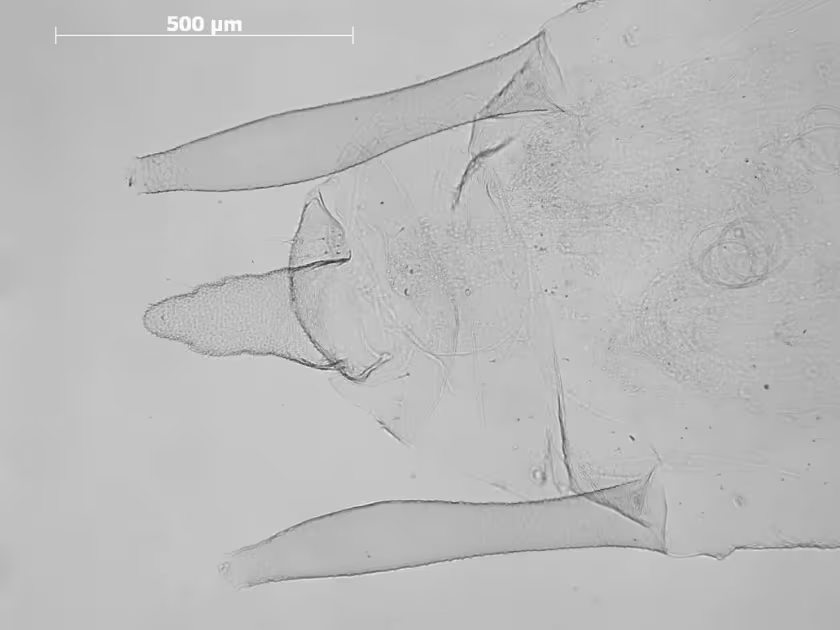
Description
How to identify
The honeysuckle aphid (Masonaphis pseudomorrisoni) is a small insect pest belonging to the order Hemiptera and the family Aphididae.
These insects are typically light green in color, measuring about 2–3 mm in length, which allows them to blend in with the foliage of their host plants.
The life cycle involves overwintering as eggs on twigs, followed by the hatching of nymphs in the spring that feed on the plant's sap.
They exhibit high reproductive rates, producing multiple generations throughout the spring and early summer season.
Both wingless and winged forms occur, allowing the population to spread efficiently across host plants during favorable conditions.
What it damages
This aphid species specifically targets honeysuckle plants (Lonicera spp.), feeding primarily on the undersides of young leaves and soft shoots.
Feeding causes the leaves to curl and become deformed, which stunts the growth of the shoots and weakens the overall structure of the plant.
The excretion of honeydew promotes the growth of sooty mold, which coats the leaves and significantly interferes with the plant's photosynthetic process.
Reduced vigor and energy reserves lead to a decline in fruit production and make the honeysuckle more susceptible to environmental stressors.
Persistent infestations can lead to premature leaf drop, negatively impacting the plant's winter hardiness and bud development for the following year.
Signs of infestation
The most prominent sign is the curling and twisting of leaves at the tips of new shoots, which provide a protected environment for the aphids.
Visual inspection of the underside of leaves will reveal clusters of small green insects and the cast-off skins from their molting process.
An increased presence of ants on the plant is a strong indicator of an aphid colony, as ants are attracted to the honeydew the aphids produce.
The presence of a sticky, shiny residue on leaves, often followed by a black, powdery sooty mold, is a classic symptom of a heavy infestation.
Noticeable growth retardation of new sprouts compared to unaffected areas of the plant confirms the damaging activity of the colony.
Control measures
Early intervention includes pruning and disposing of infested shoot tips as soon as the first signs of curling appear in the spring.
Biological control methods involve fostering populations of natural predators such as ladybugs, lacewings, and hoverflies that prey on aphids.
In cases of severe infestation, systemic or contact insecticides approved for use on edible berry bushes should be applied according to instructions.
Maintain proper garden hygiene and monitor plants frequently during the peak growing season to catch early outbreaks before they multiply.
- Apply horticultural oils or insecticidal soaps as a gentler control measure.
- Avoid over-fertilization with nitrogen, which creates soft growth attractive to aphids.
- Always follow label instructions regarding pre-harvest intervals for chemical applications.
Taxonomy
- Latin name
- Masonaphis pseudomorrisoni
- Order
- Hemiptera (bugs, aphids, leafhoppers)
- Family
- Aphididae
- EPPO code
- MASOPS
Discussion
No discussions yet — be the first.