
Morrison spruce aphid
Masonaphis morrisoni
Description
How to identify
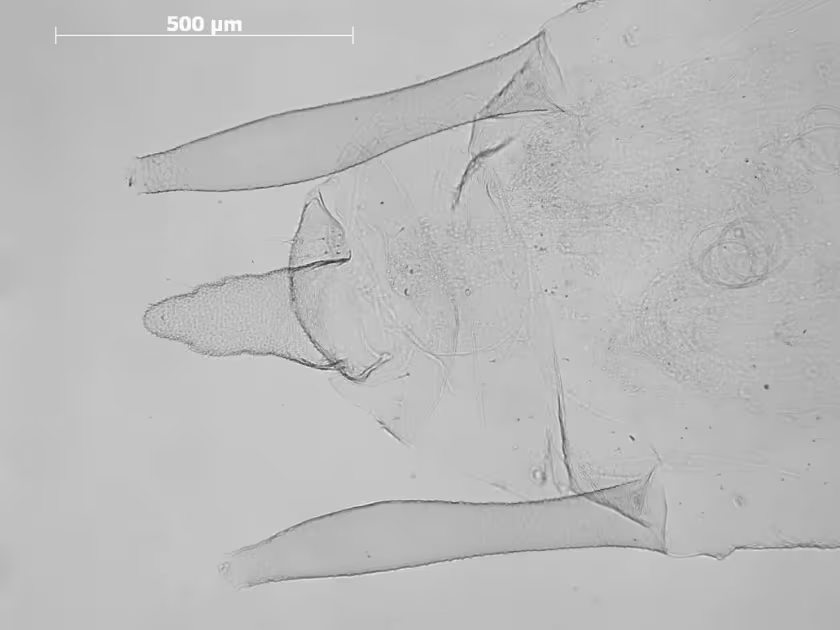
The Morrison spruce aphid (Masonaphis morrisoni) belongs to the order Hemiptera and the family Aphididae. It is a specialized pest that thrives on various conifer species.
The insects are small, typically measuring 2 to 3 mm in length. Their coloration ranges from light green to brownish-yellow, providing excellent camouflage among needles.
The life cycle includes both apterous (wingless) and alate (winged) forms, with the latter facilitating the colonization of new host plants during the growing season.
Overwintering occurs primarily in the egg stage, with eggs attached to the needles, making them highly resilient to freezing temperatures.
Populations tend to aggregate in dense colonies, particularly on younger, tender growth where the concentration of plant sap is highest.
What it damages
The primary host plants include different varieties of pines. The aphids feed by inserting their stylets into plant tissues to extract phloem sap.
Continuous feeding causes severe stress to the host tree, resulting in stunted growth and a general decline in the tree's health.
Heavy infestations can lead to needle curling, yellowing (chlorosis), and premature abscission of the foliage, significantly affecting the aesthetic appeal of the tree.
By weakening the tree, the aphid makes the host more susceptible to secondary infestations and pathogens, which can exacerbate the overall damage.
Economic damage is particularly significant in nurseries, where the aesthetic quality of seedlings is a critical factor for marketability.
Signs of infestation
Early symptoms include yellowing and discoloration of the needles, which may appear speckled or chlorotic as the aphids feed.
The presence of honeydew, a sticky sugary secretion, is a diagnostic sign of an aphid infestation. It creates a glistening appearance on the needles.
Sooty mold, a black fungal growth, often colonizes the honeydew, giving the branches a dirty or darkened appearance.
Ant activity on the branches is a strong indicator of aphid presence, as ants are frequently observed tending to colonies for the honeydew.
Careful observation reveals white, papery exuviae (cast skins) left behind on the needles after the nymphs molt into adults.
Control measures
Systemic insecticides are the preferred method for controlling established infestations, as they are absorbed by the plant and kill the aphids during feeding.
Applications of registered systemic products, such as those containing imidacloprid or similar active ingredients, are highly effective during the spring.
Biological control methods involve protecting natural predators such as lady beetles, lacewings, and syrphid fly larvae, which prey on aphid colonies.
Cultural practices, such as maintaining proper plant nutrition and irrigation, help trees withstand feeding pressure and recover from damage.
Regular scouting and monitoring programs are essential to detect the arrival of the aphids early, preventing the population from reaching damaging levels.
Taxonomy
- Latin name
- Masonaphis morrisoni
- Order
- Hemiptera (bugs, aphids, leafhoppers)
- Family
- Aphididae
- EPPO code
- MASOMO
Discussion
No discussions yet — be the first.