
Azalea aphid
Masonaphis azaleae
Description
How to identify
The azalea aphid (Masonaphis azaleae) is a specialized insect pest belonging to the Aphididae family. These aphids are particularly known for infesting plants of the Ericaceae family, most notably azaleas and rhododendrons.
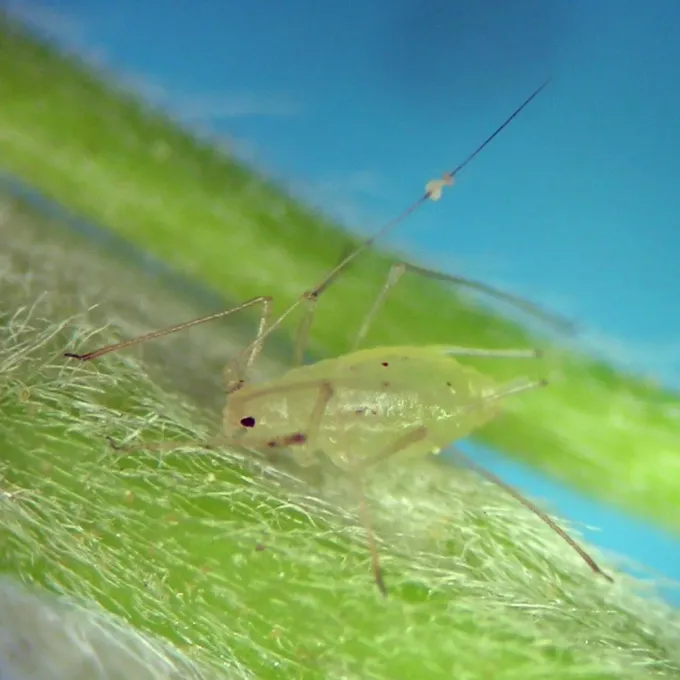
Adult aphids measure approximately 2–3 mm in length. Their bodies are typically elongated, with a coloration ranging from light green to yellowish-green, which allows them to camouflage perfectly against the foliage of host plants.
A key diagnostic feature of this species is the presence of long, distinct siphunculi (tailpipes) on the abdomen, which are often darkened at the tips. Their antennae are almost equal in length to their body, serving as a helpful identification marker.
The life cycle is primarily asexual throughout the growing season, allowing for rapid colony expansion. In greenhouses or protected environments, these aphids can reproduce continuously, posing a year-round threat to plant health.
Winged forms (alates) are produced when colonies reach high densities, facilitating the migration of the pest to adjacent plants and ensuring the spread of the infestation throughout the garden or greenhouse.
What it damages
The azalea aphid causes direct damage by piercing plant tissues and sucking out sap. This feeding process drains the plant of essential nutrients, leading to stunted growth and reduced vigor.
Feeding typically occurs on the tender parts of the plant, including young leaves, developing shoots, and flower buds. This frequently results in leaf curling, yellowing, and deformation of new growth.
The aphids excrete a sugary substance known as honeydew. This sticky residue covers the foliage and becomes a substrate for sooty mold, a fungus that interferes with the plant’s ability to photosynthesize effectively.
Beyond physical damage, Masonaphis azaleae acts as a vector for various plant viruses. Even small aphid populations can transmit pathogens that cause systemic disease and permanent damage to the aesthetic quality of the shrubs.
In cases of severe infestation, the cumulative stress on the plant can lead to bud drop and significantly decrease the blooming potential, which is the primary value of these ornamental shrubs.
Signs of infestation
Early detection is crucial. The first signs include the presence of curled or distorted new leaves and the gathering of aphids on the undersides of leaves or around the base of flower buds.
The presence of ants on the shrubs is a strong indicator of an aphid infestation. Ants actively tend to aphid colonies to feed on the honeydew they produce, often protecting the aphids from natural predators.
If you observe a sticky, shiny surface on the leaves or a dark, powdery black fungal growth (sooty mold), the aphid population is likely well-established and requires immediate action.
A sudden decline in plant health, characterized by stunted shoot development and malformed blooms, serves as a clear sign that the aphids are significantly impacting the plant’s nutrient uptake.
Visible shed skins of the aphids, which look like small white flecks, may also be found on the leaves, indicating active molting and a thriving colony.
Control measures
Effective management involves a combination of cultural practices and targeted chemical interventions. Regular monitoring of susceptible plants, particularly in early spring, is the first step in successful control.
Systemic insecticides are generally the most effective way to manage aphids, as these treatments are absorbed by the plant tissues and provide long-lasting protection against feeding insects.
Biological control is highly recommended in controlled environments. Introducing natural enemies such as lady beetles (Coccinellidae) or lacewings (Chrysopidae) can significantly suppress aphid populations without the need for harsh chemicals.
When infestation levels are low, physical removal methods such as washing the plant with a strong stream of water can often suffice to dislodge the pests and disrupt their colony formation.
- Monitor plants frequently during the growth season.
- Use systemic insecticides containing acetamiprid or imidacloprid if infestation is heavy.
- Rotate different insecticide classes to prevent pesticide resistance.
- Ensure plants are properly watered and fertilized to increase their natural resilience.
Taxonomy
- Latin name
- Masonaphis azaleae
- Order
- Hemiptera (bugs, aphids, leafhoppers)
- Family
- Aphididae
- EPPO code
- MASOAZ
Discussion
No discussions yet — be the first.