
Masonaphis
Masonaphis
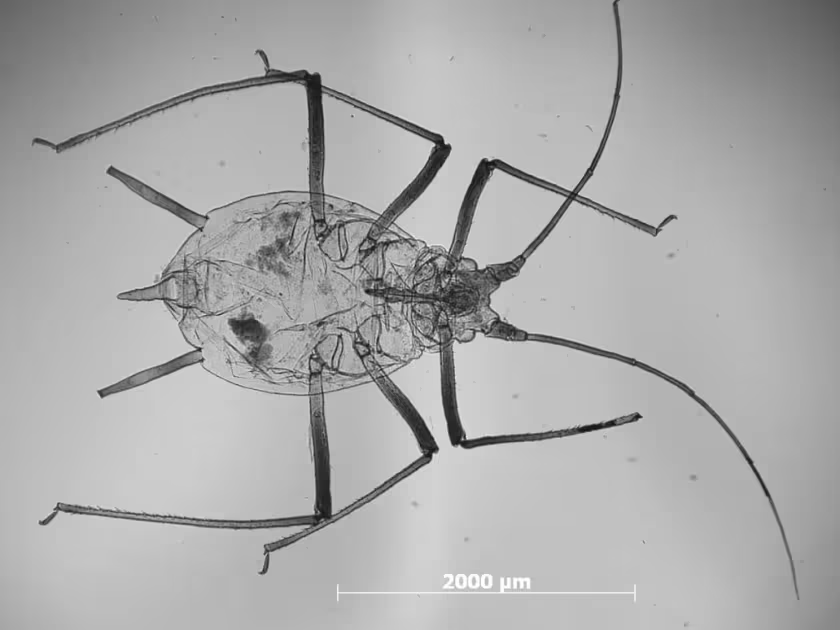
Description
How to identify
The genus Masonaphis belongs to the family Aphididae (true aphids). These insects are typically spindle-shaped, measuring between 2 to 4 millimeters in length, with appearance varying significantly by host plant.
Adults exhibit colors ranging from pale green to reddish-brown. A key diagnostic feature is the presence of long, often dark siphunculi (cornicles) and well-developed antennae that are sensitive to host chemical signals.
The life cycle involves multiple generations per year, alternating between asexual reproduction and the production of winged forms for dispersal. This adaptive strategy allows them to colonize new plant hosts rapidly.
Morphologically, these aphids are distinguished by specific structures on the cauda and wing venation patterns. Accurate identification often requires magnifying equipment to examine these fine features.
They are frequently found hidden on the undersides of leaves or protected within terminal buds, making them difficult to spot until the colony has grown to a significant size.
What it damages
Masonaphis species are known to feed on various ornamental and berry crops, with a strong affinity for members of the Ericaceae family, such as rhododendrons and blueberries.
They primarily attack young, succulent plant tissues. By piercing the plant cells and extracting sap, they cause stunted growth, leaf curling, and severe deformation of terminal shoots.
Beyond direct physical damage, these aphids are vectors for various plant viruses. Their saliva contains enzymes that may disrupt the plant's metabolic functions, weakening the host's overall immune system.
The accumulation of honeydew secreted by these aphids encourages the growth of sooty mold, a dark fungal layer that covers the leaves and severely restricts the plant's ability to perform photosynthesis.
Left unchecked, heavy infestations lead to reduced yield, poor quality of produce, and in extreme cases, the death of young or weakened plants, causing notable economic loss.
When it appears
The activity begins in early spring as temperatures rise above 10-12 degrees Celsius. Nymphs hatch from overwintered eggs, immediately beginning to feed on emerging buds and fresh leaf tissue.
The peak reproductive period occurs in late spring and early summer. During these months, the aphids produce multiple generations in rapid succession, taking advantage of the abundance of nutrients in new shoots.
Environmental conditions play a major role in population dynamics. While moderate weather is ideal, extended periods of heat may trigger the production of winged adults to facilitate migration to more suitable hosts.
As the season progresses toward autumn, the population structure shifts to produce sexual forms. These mate, and the females lay eggs on the woody parts of the plants to survive the winter months.
Consistent monitoring during the spring flush is vital. By detecting the first small colonies early, growers can intervene before the population reaches unmanageable levels.
Signs of infestation
Initial signs include subtle leaf curling and puckering, especially at the tips of shoots. The distorted tissue serves as a protective shelter for the aphids, making them harder to target.
Sticky honeydew on the foliage is a tell-tale sign of aphid activity. This substance is highly attractive to ants, which often tend the aphid colonies to protect their source of food.
Sooty mold growth is a later-stage indicator. The presence of black, dusty patches on leaves or stems suggests that the aphid colony has been established for an extended period.
Bud failure and the yellowing of young growth are common results of heavy feeding. If a plant shows general malaise despite sufficient water and nutrients, it should be checked for hidden aphid clusters.
An increased presence of predatory insects, like lady beetles or lacewings, can sometimes signal a high density of prey, pointing to the existence of an aphid infestation nearby.
Control measures
Good agricultural practices are the first line of defense. Pruning and removing heavily infested terminal buds can physically reduce the initial population of Masonaphis.
Promoting a healthy environment for natural predators is essential. Avoiding non-selective insecticides allows ladybirds, lacewings, and hoverflies to keep aphid numbers under natural control.
When chemical intervention is required, systemic insecticides are usually the most effective, as they are absorbed by the plant and target aphids throughout their feeding cycle.
Resistance management is crucial. Rotate chemical classes to ensure long-term efficacy and prevent the development of resistant populations within your garden or greenhouse.
On a smaller scale, organic approaches such as using insecticidal soaps or neem oil sprays can be effective if applied thoroughly, ensuring contact with the aphids hiding under leaves.
Taxonomy
- Latin name
- Masonaphis
- Order
- Hemiptera (bugs, aphids, leafhoppers)
- Family
- Aphididae
- EPPO code
- MASOSP
Discussion
No discussions yet — be the first.