
Apple serpentine leafminer
Marmara elotella
Description
How to identify
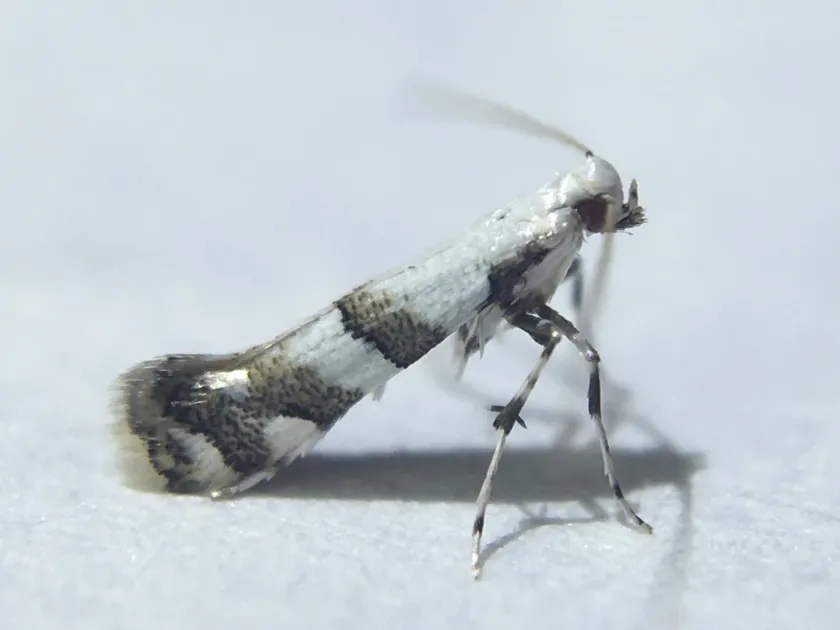
The apple serpentine leafminer (Marmara elotella) is a small moth belonging to the family Gracillariidae. The adults are tiny, often nocturnal, and difficult to detect in the orchard due to their cryptic coloration and habits.
The larvae are specialized to live beneath the epidermis of leaves, fruit, and bark. Their flattened body shape is a physiological adaptation that allows them to move efficiently through plant tissues.
Reproduction typically occurs in several generations per season, depending on the climatic conditions of the region. Adults lay eggs on the surface of young apple shoots or developing fruits.
Because the larvae spend most of their life cycle hidden under the plant's cuticle, they are protected from many environmental factors and standard insecticide applications.
Proper identification relies heavily on recognizing the unique patterns left behind by the larvae rather than identifying the moth itself.
What it damages
The pest primarily targets apple trees. Larvae feed by creating winding, serpentine mines under the skin of the fruit, which significantly diminishes the aesthetic and commercial value of the harvest.
On young shoots and twigs, the larvae tunnel under the bark. This activity disrupts the transport of nutrients and water, leading to weakened shoots and overall tree stress.
Severe infestations can cause premature fruit drop and stunt the growth of young trees. The damaged bark and fruit skin serve as entry points for secondary pathogens, such as fungal rots.
In cases of heavy pressure, the mining can encircle branches, causing dieback of the terminal parts of the tree, which directly affects tree yield and architecture.
The damage is cumulative, and without intervention, the population of the leafminer can grow rapidly, leading to sustained orchard decline.
Signs of infestation
The most distinctive sign is the presence of silvery, winding lines on the surface of apples. These trails are created as the larva consumes tissue just beneath the epidermis.
Light-colored, meandering trails on the bark of young shoots are indicative of larval activity. As the larva grows, the mine widens and becomes more visible.
Inside the mines, one can observe dark, broken lines representing larval excrement, which is a hallmark of the Marmara genus.
Fruit skins may crack along the lines of the mines, especially as the fruit expands, making them highly susceptible to secondary infections.
Weakened growth, leaf yellowing, or twig dieback in affected trees often signals that the mining activity has reached a critical level.
Control measures
Management involves targeted insecticide applications during the peak period of egg-laying. Systemic insecticides are generally more effective because they penetrate the plant tissue where the larvae feed.
Good orchard hygiene is essential. Removing and destroying infested twigs and fallen fruit can reduce the overwintering population significantly.
Monitoring with pheromone traps helps growers identify the start of the moth flight, ensuring that chemical interventions are timed for maximum efficacy.
Encouraging natural predators, such as parasitic wasps, can help keep leafminer populations in check as part of an integrated pest management (IPM) program.
- Timed insecticide sprays based on pheromone trap monitoring.
- Physical removal of heavily infested plant parts.
- Promoting biodiversity to support natural enemies.
- Use of horticultural oils during dormancy to kill overwintering stages.
Taxonomy
- Latin name
- Marmara elotella
- Order
- Lepidoptera (butterflies)
- Family
- Gracillariidae
- EPPO code
- MARMEL
Discussion
No discussions yet — be the first.