
Macrosaccus
Macrosaccus
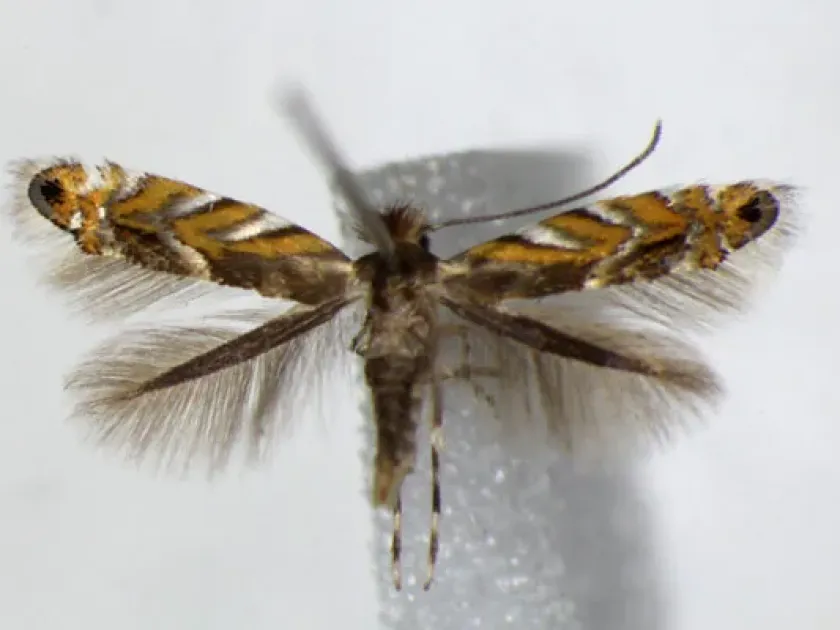
Description
How to identify
Macrosaccus is a genus of moths belonging to the Gracillariidae family, known as leaf blotch miners. These small insects are characterized by their unique wing structure and larval behavior, which is specialized for feeding within plant tissue.
The life cycle of this pest involves complete metamorphosis, including egg, larva, pupa, and adult stages. The larval stage is responsible for the damage, as it develops inside the host plant's leaf parenchyma, protected from external factors.
Identification often requires careful inspection of the leaves to find characteristic blotch mines. These mines differ in shape and position depending on the specific species and the host plant involved in the infestation.
Biological monitoring is essential to track the flight patterns of adult moths. Pheromone traps are commonly used in field research to determine the peak periods of activity and to time protective measures accurately.
Entomological studies show that temperature and humidity are the primary drivers of the insect's phenology. Understanding these factors is key for agronomists to predict potential outbreaks and implement timely controls.
What it damages
Macrosaccus primarily infests leguminous crops, where it significantly impacts the leaf surface area available for photosynthesis. The larvae feed between the leaf cuticles, creating mines that eventually turn brown or necrotic.
The reduction in photosynthetic capacity leads to stunted plant growth and poor vigor. In cases of heavy infestation, the leaves may wither and drop prematurely, which disrupts the plant's ability to fill pods or seeds effectively.
Yield loss is the most severe consequence of high pest pressure. When a significant portion of the canopy is affected, the resulting physiological stress causes a measurable decrease in the total harvested biomass.
Secondary infections often exacerbate the damage caused by these leaf miners. Pathogens such as fungi and bacteria can easily penetrate the leaf surface through the damaged spots created by the larvae, leading to further decay.
The cumulative effect of larval mining and subsequent pathogen colonization can compromise the quality of the harvested produce. This is particularly problematic in crops intended for seed multiplication or high-quality export.
Control measures
Integrated Pest Management (IPM) is the most effective approach for controlling Macrosaccus. Crop rotation remains the foundational strategy to prevent the buildup of pest populations in fields.
Sanitation practices, such as the removal or deep incorporation of crop residues, help destroy overwintering pupae. This practice significantly reduces the initial pest pressure at the start of the next planting season.
When monitoring data indicates that the population has crossed the economic threshold, the application of systemic insecticides is necessary. Choosing products with low residual impact on beneficial insects is crucial for sustainable agriculture.
Biological control, including the use of entomopathogenic fungi and beneficial wasps, is gaining traction. These tools provide sustainable options for managing Macrosaccus while minimizing reliance on chemical inputs.
Continuous field scouting is vital for the early detection of mines. By identifying hotspots early, farmers can target specific areas for spot-treatments, thereby saving resources and protecting the overall crop yield.
Taxonomy
- Latin name
- Macrosaccus
- Order
- Lepidoptera (butterflies)
- Family
- Gracillariidae
- EPPO code
- MCSASP
Discussion
No discussions yet — be the first.