
Lyprauta
Lyprauta
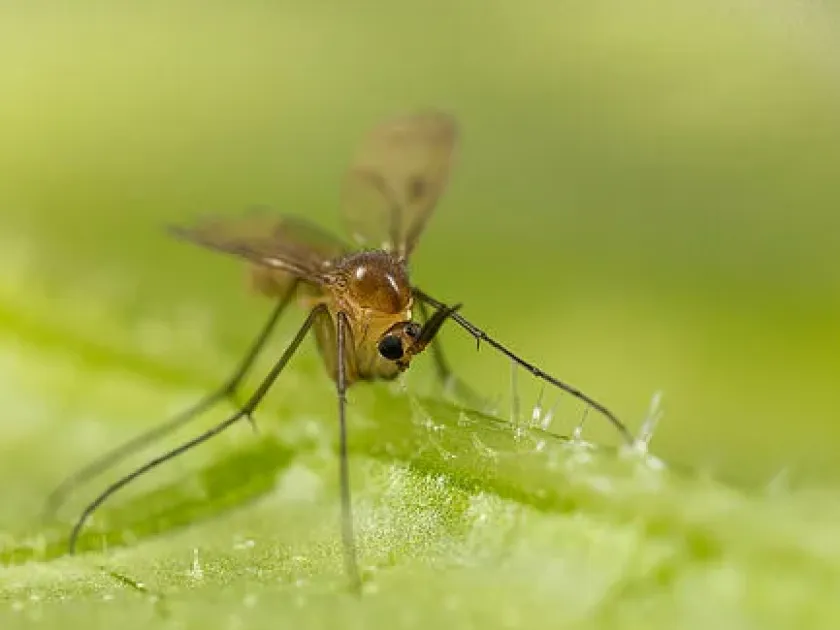
Description
How to identify
Lyprauta is a genus of fungus gnats belonging to the family Sciaroidea. These insects are often found in environments where mushrooms are cultivated, as they thrive in humid conditions rich in organic matter.
Adult Lyprauta are small, delicate flies with long legs and wings, which are typically seen resting on surfaces or flying near the substrate. They are most active in low-light conditions within mushroom houses.
The larval stage is characterized by a maggot-like appearance with a distinct dark head capsule. Larvae are highly mobile within the compost or casing layer, searching for moisture and food sources.
The life cycle involves rapid reproduction, especially in climate-controlled facilities. Understanding the timing of each developmental stage is essential for effective monitoring.
Using yellow sticky traps is the standard industry practice for identifying the presence of these gnats. Regular monitoring of trap counts helps in assessing the severity of the infestation.
What it damages
The primary damage caused by Lyprauta is the consumption of mycelium and mushroom tissue. Larvae feed on the fine hyphae, weakening the fungal colonies significantly.
As the larvae mature, they bore tunnels into the stems and caps of mushrooms. This structural damage makes the mushrooms unmarketable and prone to rapid decomposition.
Infested mushroom beds often show signs of stunted growth and a reduction in the number of flushes. Over time, the damage can lead to total crop failure if left unmanaged.
Apart from direct damage, the larvae introduce pathogenic fungi and bacteria into the substrate. This creates a secondary disease environment that further complicates the situation.
Adult gnats act as vectors, transporting pathogens on their bodies from infested areas to healthy mushrooms, accelerating the spread of disease throughout the facility.
Control measures
Sanitation is the most critical control measure. Removing organic debris, maintaining clean equipment, and ensuring the facility is thoroughly disinfected between crops is mandatory.
Environmental management involves controlling the humidity and ventilation. Keeping the surface of the casing layer drier can significantly inhibit the ability of adults to lay eggs.
Biological control using entomopathogenic nematodes (Steinernema feltiae) is highly effective. These beneficial organisms search out and kill the larvae within the substrate without leaving chemical residues.
Mass trapping using yellow sticky cards helps to reduce the number of breeding adults. Placing them close to the growth beds is the most efficient way to maintain a low population density.
Chemical intervention should be considered a last resort. When used, only products approved for mushroom production must be chosen to ensure safety and compliance with international food standards.
Taxonomy
- Latin name
- Lyprauta
- Order
- Diptera (flies)
- Family
- Keroplatidae
- EPPO code
- LYPRSP
Discussion
No discussions yet — be the first.