
Lutzomyia shannoni
Lutzomyia shannoni
Description
How to identify
Lutzomyia shannoni is a species of sand fly belonging to the family Psychodidae, specifically the subfamily Phlebotominae, which is recognized for its ecological and agricultural significance.
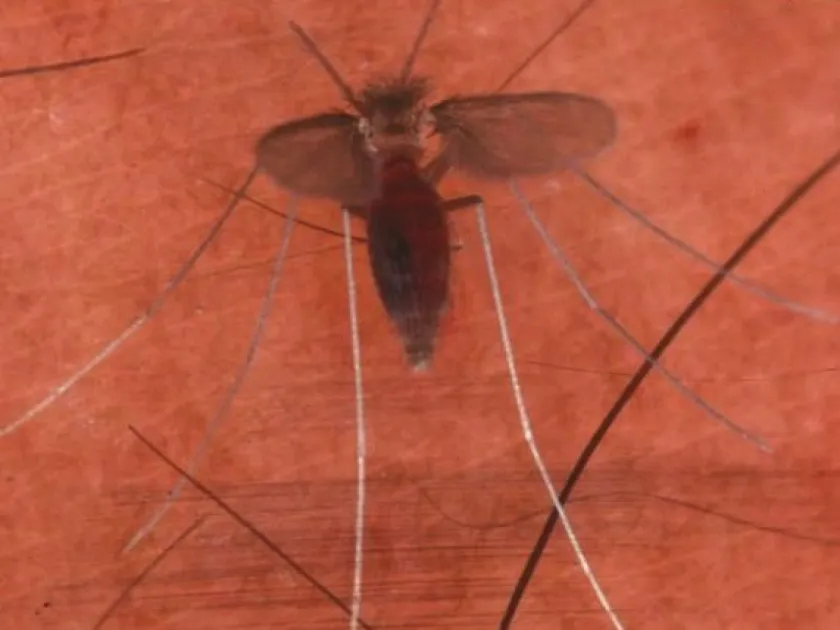
These are minute insects, typically measuring 2-3 mm in length, characterized by a delicate, hairy appearance and a pale brownish or yellowish body color.
The most reliable field identification feature is the wing posture; when resting, they hold their wings erect over their thorax in a characteristic V-shape.
Adult females possess piercing-sucking mouthparts primarily adapted for blood-feeding, whereas males feed on nectar and plant exudates to satisfy their metabolic needs.
The larvae are small, caterpillar-like organisms that develop in soil with high organic content, requiring humid micro-habitats to complete their developmental cycle.
What it damages
The economic impact of Lutzomyia shannoni in agriculture is primarily driven by its role as a vector for various plant and animal pathogens, rather than direct herbivory.
By frequenting agricultural crops to feed on floral nectar and sugary exudates, they inadvertently transmit viral and bacterial pathogens into the plant tissue.
The feeding activity creates minor lesions on stems and leaves, which can serve as entry points for secondary fungal and bacterial infections that degrade crop health.
Furthermore, their presence in high densities can cause physiological stress to young crops, especially in nursery or greenhouse conditions where the environment is optimal for their lifecycle.
In some cases, the disruption of pollination processes caused by excessive insect activity on flowers can negatively influence the yield quality of sensitive fruit-bearing plants.
When it appears
The population dynamics of Lutzomyia shannoni are strongly dictated by local climatic conditions, specifically the availability of moisture and stable ambient temperatures.
They are predominantly crepuscular or nocturnal, avoiding the intense solar radiation of the day which could lead to desiccation of their fragile wings and bodies.
Reproductive peaks often correlate with the post-rainy season, as moisture-rich soil and decomposing plant debris provide the essential substrate for larval development.
During unfavorable dry or cold periods, the population enters a phase of quiescence or dormancy, surviving in sheltered micro-refugia such as soil crevices or mulch layers.
The timing of their peak activity often overlaps with the flowering stages of specific host crops, turning the plantation into a temporary host site for the adult flies.
Signs of infestation
Detection is difficult due to their small size, but the presence of adults during dusk hours near the base of plants is a primary indicator of an infestation.
Visible signs on the crop may include the presence of necrotic spots on leaves and stems, which often indicate points of disease transmission facilitated by insect feeding.
The presence of fine, dark excrement spots on leaves or stems is a strong diagnostic sign that Lutzomyia shannoni has been active in the immediate vicinity.
In greenhouse settings, larvae can sometimes be found in the damp organic matter beneath benches or in pots with poor drainage, which should be inspected regularly.
A general decline in plant vigor or the onset of unexplained localized infections can serve as a warning sign to perform nocturnal monitoring for adult activity.
Control measures
Integrated Pest Management for Lutzomyia shannoni emphasizes the elimination of breeding sites, particularly by clearing away damp, decaying organic material from fields.
Improving drainage systems and avoiding excessive irrigation is crucial, as creating a drier soil surface significantly hinders the survival rate of larval stages.
The use of fine-mesh screening in greenhouse structures prevents the entry of adult flies, effectively isolating the protected crop from the surrounding environment.
Monitoring using light traps or sticky traps placed near the crop base helps in quantifying the population density and timing intervention measures effectively.
- Application of biological control agents targeting the larval stages in the soil.
- Maintaining optimal spacing between plants to enhance airflow and reduce humidity.
- Routine sanitation to remove leaf litter and waste heaps near growing areas.
Taxonomy
- Latin name
- Lutzomyia shannoni
- Order
- Diptera (flies)
- Family
- Psychodidae
- EPPO code
- PHLESH
Discussion
No discussions yet — be the first.