
Lutzomyia intermedia
Lutzomyia intermedia
Description
How to identify
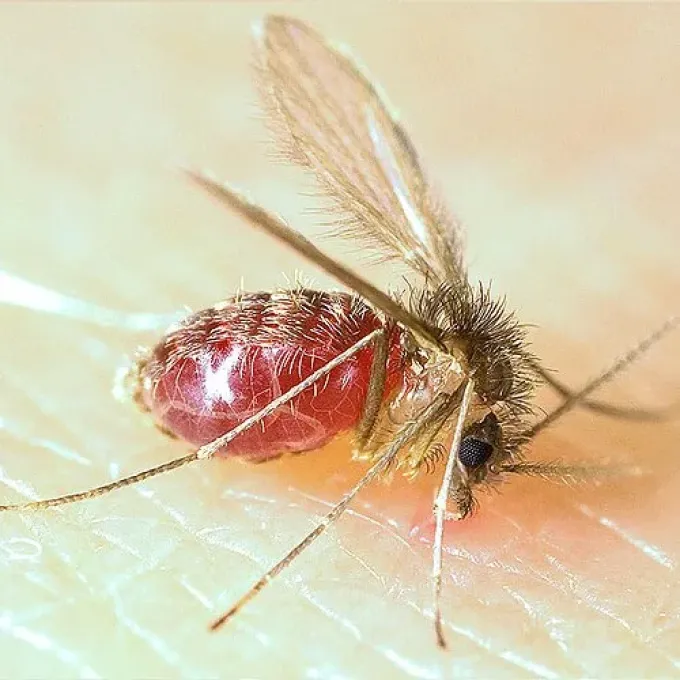
Lutzomyia intermedia is a species within the Psychodidae family and the Phlebotominae subfamily. These are minute dipteran insects, typically measuring 2 to 3 millimeters in length, covered with fine hairs.
The insects are identified by their characteristic wing posture when at rest, where the wings are held upright in a V-shape. Their coloration ranges from pale yellow to light brown, which provides camouflage in soil debris.
The life cycle undergoes complete metamorphosis, including egg, four larval instars, pupa, and adult stages. Each stage is highly sensitive to humidity and the availability of nutrient-rich organic matter.
Adult females are primarily known for their hematophagous habits, but their presence in agricultural ecosystems is frequently associated with microclimates that influence plant health.
Identification of this species usually requires microscopic analysis of morphological structures, particularly in males, to distinguish them from other sand fly species present in the same habitats.
What it damages
While often categorized as a medical pest, Lutzomyia intermedia can affect agricultural systems, particularly in humid tropical plantations such as coffee and cocoa farms.
Larval stages develop in soil rich in decaying plant matter; high population densities can lead to the incidental damage of young seedlings and delicate root systems in nurseries.
The accumulation of adult sand flies in greenhouses suggests a breakdown in agricultural sanitation, which can indirectly affect the growth environment of the crop.
A high density of these insects is often a sign of poor drainage and excessive organic waste, which negatively impacts the overall physiological health of the cultivated plants.
Economic damage is primarily indirect, related to increased labor costs for sanitation and the necessity of strict pest management protocols in affected areas.
Control measures
The primary control measure is the systematic removal of leaf litter and decaying organic matter from the planting areas, as this effectively eliminates the breeding sites for larvae.
Managing soil moisture through improved drainage systems is crucial, as this reduces the suitability of the environment for the insect's reproductive cycle.
Biological control using entomopathogenic fungi provides a sustainable approach to reducing population levels without harming non-target beneficial species.
In cases of high infestation in greenhouse environments, targeted insecticide applications approved for agricultural use may be necessary to manage adult populations.
- Sanitary removal of plant debris.
- Optimization of drainage systems.
- Application of biological control agents.
Taxonomy
- Latin name
- Lutzomyia intermedia
- Order
- Diptera (flies)
- Family
- Psychodidae
- EPPO code
- PHLEIN
Discussion
No discussions yet — be the first.