
Lutzomyia longipalpis
Lutzomyia longipalpis
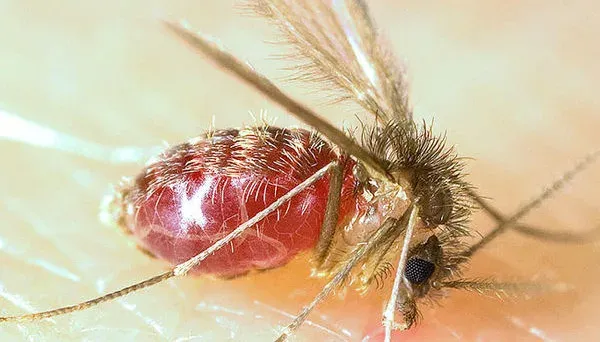
Description
How to identify
Lutzomyia longipalpis is a species of sand fly belonging to the family Psychodidae, known for its small size and hairy appearance.
Adult flies measure approximately 2 to 3 mm in length, making them extremely difficult to observe without specialized entomological equipment.
They possess long, slender legs and wings that are held vertically in a V-shape when the insect is at rest, which is a key identification feature.
The body is covered with dense setae (hairs), and the coloration ranges from pale yellow to light brown, providing camouflage in their natural habitats.
Identification to the species level is primarily achieved through the examination of the morphological structures of the male genitalia and female spermatheca.
What it damages
This insect is primarily recognized not as a plant pest, but as a major medical and veterinary vector in subtropical regions.
It is the primary vector for Leishmania infantum, the parasite responsible for visceral leishmaniasis, affecting humans and dogs on rural farms.
In agricultural settings, the presence of large populations can cause significant discomfort to livestock, leading to stress and reduced productivity.
While they do not consume vegetation, their presence indicates poor sanitation levels, such as accumulated organic waste or livestock manure.
Managing this species is essential for farm biosecurity, as uncontrolled populations pose a severe risk to the health of the farm workforce.
When it appears
The life cycle of Lutzomyia longipalpis is highly dependent on environmental humidity and organic matter decomposition.
These flies are primarily nocturnal, showing peak activity during dusk and nighttime hours, which is when they seek blood meals.
Development from egg to adult occurs over several weeks and is highly influenced by temperature fluctuations and moisture availability.
Larvae develop in soil rich in organic material, such as animal pens, leaf litter, and areas around agricultural sheds where microclimates are stable.
Populations tend to surge during the rainy season when moisture levels in the soil are optimal for larval survival and development.
Control measures
Effective control focuses on environmental management, primarily by eliminating the moist organic breeding sites used by the larvae.
Regular removal of manure, leaf litter, and other organic debris from farm premises is the most sustainable method to suppress populations.
Residual insecticide spraying on the interior and exterior walls of barns and animal housing can significantly reduce adult fly numbers.
The use of fine-mesh netting on animal housing and staff quarters is a critical physical barrier to prevent bites and transmission risks.
Integrated Pest Management (IPM) strategies, including light traps for population monitoring, should be employed to ensure data-driven control efforts.
Taxonomy
- Latin name
- Lutzomyia longipalpis
- Order
- Diptera (flies)
- Family
- Psychodidae
- EPPO code
- LUTZLO
Discussion
No discussions yet — be the first.