
African elephant
Loxodonta africana
Description
How to identify
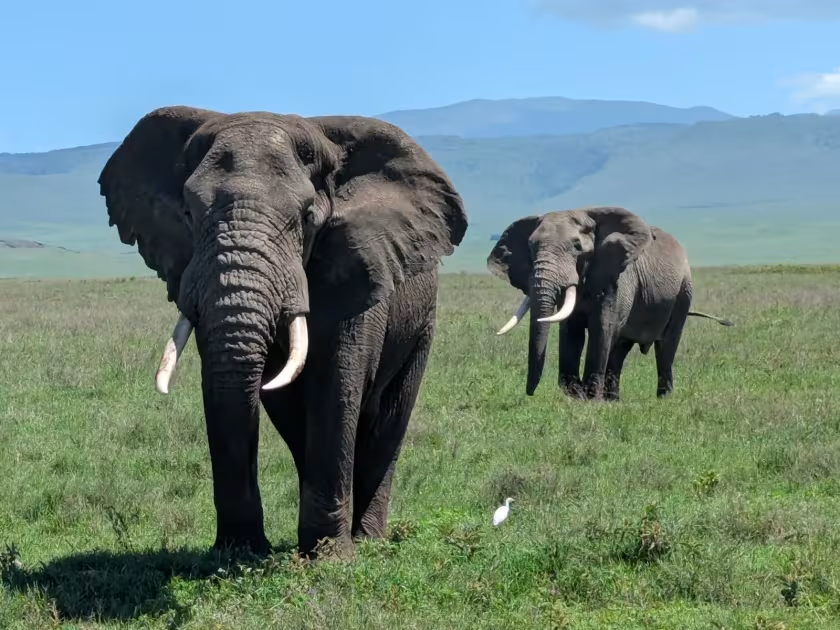
The African elephant (Loxodonta africana) is a member of the order Proboscidea and the family Elephantidae. It is the largest terrestrial mammal on the planet, characterized by its massive body, powerful trunk, and prominent tusks, which are elongated incisor teeth.
Adult elephants can reach heights of 4 meters and weigh up to 6 metric tons. The species is highly intelligent, possesses a complex social structure, and operates within family units, which makes managing their behavior near farmland a significant challenge.
The biology of the African elephant demands an enormous daily intake of plant material to maintain their size and energy levels. An adult elephant may consume between 150 to 200 kilograms of vegetation in a single 24-hour period.
Due to their nomadic lifestyle, elephant herds often travel vast distances, inadvertently crossing agricultural landscapes where they find high-quality, cultivated food sources that are easy to access.
Their exceptional adaptability and cognitive abilities enable them to bypass standard deterrents, often learning to circumvent fences or ignore noise-based scare tactics very quickly.
What it damages
African elephants are known to cause severe damage to crops such as maize, sugarcane, bananas, and various grains. During the ripening season, they can decimate a field's entire yield in a matter of hours.
Beyond the direct consumption of crops, elephants cause significant mechanical damage. The sheer weight of their bodies leads to extensive trampling of plants, while they often break stalks and destroy irrigation infrastructure during their transit.
Perennial plantations, especially orchards, are highly susceptible to damage. Elephants often strip bark or break main branches, leading to the long-term destruction of fruit-bearing trees.
In many regions, the constant threat of elephant raids has significant socioeconomic impacts, forcing farmers to abandon productive land due to the recurring financial losses.
Furthermore, because elephants prefer the most nutritious and well-tended crops, their selective feeding leads to significant qualitative losses, reducing the market value of the remaining harvest.
When it appears
The influx of elephants onto agricultural land is largely driven by seasonal patterns of crop development. Activity peaks as harvest time approaches, when plants are at their most palatable, rich in nutrients, and high in sugar content.
During the rainy season, elephant migration patterns may shift, bringing herds through farm-adjacent territories. Additionally, the availability of water on irrigated farms serves as a magnet during dry spells.
Crops in the milky stage of maturity are particularly attractive to elephants, creating a high-risk window that dictates the intensity of the human-wildlife conflict for local farmers.
Seasonal migration often leads to predictable patterns of movement, allowing farm managers to anticipate potential incursions and implement protective strategies before the crops become vulnerable.
Climate variables, such as extended droughts, force herds to venture further from protected areas in search of water and greenery, often putting them in direct competition with agricultural interests.
Signs of infestation
The most prominent sign of an elephant incursion is the presence of wide, flattened paths through a field where crops have been trampled or snapped by the movement of the herd.
Footprints are distinct and unmistakable, serving as a primary indicator of elephant activity. These tracks can be used to estimate the number of individuals and the composition of the group.
The presence of large, fibrous dung piles containing visible chunks of stems, leaves, or fruit remains is a definitive indicator of an elephant having fed in the immediate vicinity.
Vegetation damage, such as broken trees, torn-off branches, and bark stripped at heights only accessible to large mammals, serves as a clear physical sign of their presence.
Nocturnal acoustic cues, such as deep rumbling sounds or the characteristic trumpeting, often serve as an early warning system for farmers that a herd is entering the agricultural zone.
Control measures
The implementation of electric fencing is widely considered the most effective physical deterrent, although it requires regular maintenance and a significant capital investment.
Bio-deterrents, such as planting hot chili peppers around the perimeter of a field, have been successful in many regions as the pungent odor keeps elephants away from the protected crop area.
Acoustic and visual deterrents, such as sirens, flashing lights, or recorded predator sounds, can offer temporary protection but must be varied frequently to prevent the elephants from habituating to them.
Effective land-use planning, including the creation of buffer zones and dedicated wildlife corridors, is essential for reducing the frequency of human-elephant conflicts in the long term.
An integrated approach, combining active monitoring, early warning systems for local communities, and the use of physical barriers, provides the best chance of minimizing crop loss.
Taxonomy
- Latin name
- Loxodonta africana
- Family
- Elephantidae
- EPPO code
- LOXDAF
Discussion
No discussions yet — be the first.