
Lophops carinata
Lophops carinata
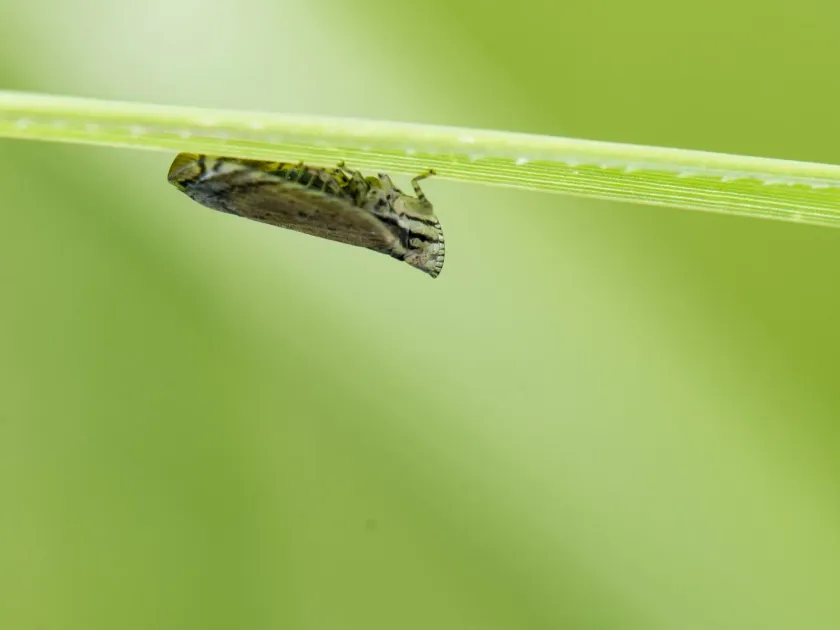
Description
How to identify
Lophops carinata belongs to the family Lophopidae within the order Hemiptera. These insects are known for their distinct morphological features and specialized mouthparts used for piercing plant tissues.
The adult insect is characterized by a wedge-shaped head and clear wings with a pronounced reticulate vein pattern, which are held roof-like over the body when the insect is at rest.
The body color usually blends with the bark of trees, typically appearing in shades of brown, gray, or muted earth tones to evade predators effectively.
Nymphs go through several developmental stages (instars) and are highly active on the host plant, seeking out the most succulent stems for continuous feeding.
The name carinata refers to the keel-like structures found on the body, which serve as a primary taxonomic marker for experts to identify this specific species.
What it damages
This pest attacks a variety of hosts, including fruit trees, decorative woody shrubs, and certain tropical crops that are essential for local agricultural economies.
Feeding damage is caused by both adults and nymphs extracting cell sap from young shoots, leaves, and flower buds, causing systemic stress to the host plant.
The extraction of sap leads to severe wilting, stunted growth, and in many cases, the eventual curling and yellowing of the foliage due to nutritional deficiencies.
Excretion of honeydew provides a substrate for sooty mold growth, which covers the leaf surface, effectively blocking photosynthesis and reducing the overall yield quality.
Severe infestations can lead to premature fruit drop and significant damage to the plant's structural development, particularly in young, sensitive nursery trees.
When it appears
The life cycle is heavily influenced by ambient temperature and humidity, with peak populations occurring during warm, stable weather periods in the growing season.
Reproduction typically occurs in several overlapping generations, allowing the pest population to expand rapidly if conditions remain optimal throughout the summer.
Overwintering usually takes place in the egg stage, with eggs deposited securely in tree bark crevices or dormant tissue to withstand colder seasonal temperatures.
As spring approaches and temperatures rise, nymphs emerge and begin their feeding cycle, coinciding with the rapid growth phase of host agricultural crops.
Constant monitoring is crucial, especially during the onset of the warm season, to detect early signs of infestation before the population reaches damaging levels.
Signs of infestation
The most visible indicator of an infestation is the presence of sticky honeydew on the leaves, which quickly becomes blackened by the growth of sooty mold.
Visual inspection of the underside of leaves and along young stems often reveals clusters of nymphs or adults that are prone to jumping quickly when disturbed.
Deformed leaves, significant yellowing of edges, and a general lack of vigor in young branches are clear signals that the plant is struggling due to sap extraction.
The presence of white, wax-like filaments produced by the nymphs on stems and leaves is another reliable field sign that Lophops carinata is present.
A decline in the general health of the tree, coupled with an absence of new, healthy foliage growth, often indicates a long-term presence of these pests.
Control measures
Integrated Pest Management (IPM) is the most effective approach, combining cultural practices with targeted chemical applications to control population outbreaks.
Sanitation practices, such as pruning and destroying heavily infested branches or clearing leaf litter, effectively reduce the number of overwintering eggs.
Systemic insecticides are often required when the population density exceeds economic thresholds, as they provide better protection against sap-feeding insects.
Biological control methods, including the preservation of natural predators like ladybeetles and lacewings, help maintain the pest population at lower levels.
- Regular field scouting and monitoring
- Encouraging natural insect predator populations
- Application of specialized systemic pesticides
Taxonomy
- Latin name
- Lophops carinata
- Order
- Hemiptera (bugs, aphids, leafhoppers)
- Family
- Lophopidae
- EPPO code
- LPHOCA
Discussion
No discussions yet — be the first.