
Lophops
Lophops
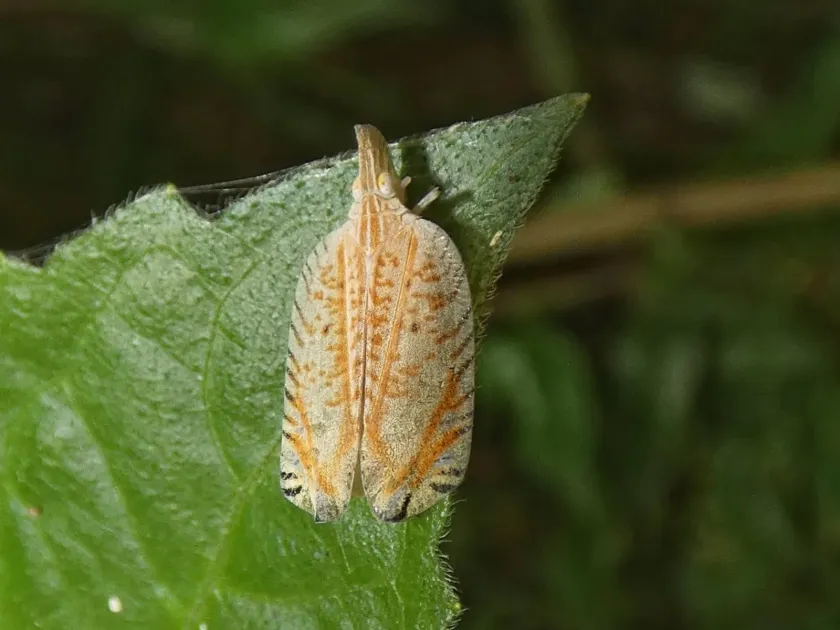
Description
How to identify
Lophops is a genus of insects belonging to the family Lophopidae, part of the order Hemiptera. These insects are closely related to planthoppers and exhibit specific morphological traits adapted to their lifestyle on host plants.
Adult insects usually feature a characteristic head shape and wings that fold in a roof-like manner over their body. Their coloration is typically cryptic, allowing them to blend into their environment, which often makes them difficult to spot during initial inspections.
The life cycle consists of the egg stage, several nymphal instars, and the adult stage. Nymphs are highly mobile and start feeding on plant sap shortly after hatching, exhibiting significant agility when disturbed.
Their reproduction is largely influenced by environmental conditions, with warm and humid climates favoring rapid population growth. In suitable environments, they can complete multiple generations within a single growing season.
While historically associated with tropical regions, some species have shown an ability to adapt to varying climates, occasionally becoming pests in greenhouses or controlled agricultural environments.
What it damages
Lophops are phytophagous insects that feed exclusively on plant sap. They utilize a specialized piercing-sucking mouthpart to access phloem or xylem vessels in the host plant's tissues.
Feeding occurs on various parts of the plant, primarily on young leaves and succulent stems. The removal of sap leads to a depletion of essential nutrients, resulting in stunted growth and overall physiological stress for the plant.
In addition to direct nutritional loss, the feeding process can cause mechanical damage to plant cells. Furthermore, salivary enzymes injected by the insects can trigger localized yellowing, leaf curling, and overall deformation of new growth.
Lophops are also potential vectors for various plant pathogens. The feeding sites provide entry points for secondary infections, such as bacterial or fungal pathogens, which can exacerbate the damage caused by the insects.
Severe infestations can lead to premature leaf drop and reduced harvest quality, posing a significant risk to the profitability of horticultural and fruit-bearing crops.
Signs of infestation
The primary sign of a Lophops infestation is the appearance of chlorotic spots or mottled patterns on leaves. These are the direct results of thousands of microscopic punctures made during feeding.
Checking the underside of leaves is the most effective way to detect nymphs. These insects tend to congregate in sheltered areas, moving or jumping quickly when the foliage is shaken, which is a key diagnostic behavior.
Stunted, deformed, or curled apical shoots are major indicators of a heavy infestation. The plant loses vigor and may exhibit a drooping appearance even under adequate irrigation conditions.
Honeydew secretion, a sugary waste product excreted by the insects, often covers the leaves and stems. This sticky substance promotes the growth of sooty mold, which appears as a black, powdery coating on the plant surface.
The presence of discarded nymphal skins (exuviae) clinging to the stems or undersides of leaves is a definitive sign of successful development and an active, established population on the site.
Control measures
Effective management of Lophops requires a multi-pronged approach starting with rigorous monitoring. Early detection is vital for minimizing the need for extensive chemical intervention.
Biological control using natural enemies, such as lady beetles, lacewings, or parasitic wasps, is highly recommended to suppress populations in an environmentally friendly way.
Chemical control should be employed only when pest thresholds are exceeded. Systemic insecticides can be effective, though they should be applied judiciously to minimize impact on beneficial insect populations.
Cultural practices, including proper pruning of infested branches and maintaining clean fields by removing weeds, significantly reduce the shelter and food sources available to the insects.
- Implement yellow sticky traps for monitoring adult presence.
- Maintain plant health through balanced fertilization and watering.
- Use selective, low-toxicity insecticides during the nymphal stage.
- Practice crop rotation and avoid monoculture where possible to break cycles.
Taxonomy
- Latin name
- Lophops
- Order
- Hemiptera (bugs, aphids, leafhoppers)
- Family
- Lophopidae
- EPPO code
- LPHOSP
Discussion
No discussions yet — be the first.