
Rose-columbine aphid
Longicaudus trirhodus
Description
How to identify
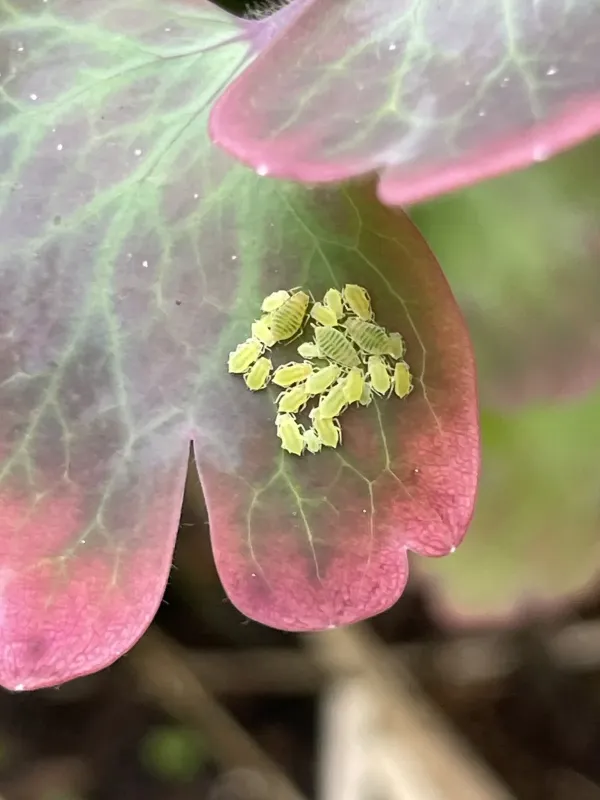
The Rose-columbine aphid (Longicaudus trirhodus) is a small sap-sucking insect belonging to the family Aphididae. It is recognized by its elongated body and pale green coloration.
These aphids are often covered in a fine, white, waxy secretion that gives them a fuzzy appearance. This adaptation helps them blend in with the young leaves of their host plants.
As a host-alternating species, this aphid utilizes primary and secondary plants to complete its life cycle. Understanding this movement is critical for effective pest management strategies.
Taxonomically, this species is well-documented within the Aphidinae subfamily. Its specific host range distinguishes it from other common aphid species found in garden environments.
Winged adults emerge at specific times of the season to migrate between host plants. These individuals are essential for the dispersal and colonization of new garden areas.
##damage##In spring, the aphid primarily infests roses (Rosa species). They aggregate on new buds and young leaves, extracting essential nutrients that inhibit normal plant growth.
During the summer months, the population moves to secondary host plants, specifically the Ranunculaceae family, including Columbine (Aquilegia) and Meadow-rue (Thalictrum).
Damage to roses manifests as leaf curling, distortion, and stunted shoot development. This significantly reduces the aesthetic value of ornamental roses in gardens.
On columbine plants, infestations lead to the yellowing and wilting of foliage. Heavy populations can severely weaken the plant, making it prone to secondary infections.
The continuous feeding by dense colonies results in overall plant decline, reducing vigor and potentially affecting the plant's ability to survive winter dormancy.
##season##The aphid overwinters in the egg stage, attached to the bark or near the buds of rose bushes. These eggs hatch when temperatures rise in early spring.
Development on rose hosts peaks in late spring (May to June). Gardeners should perform regular inspections of rose shoots during this timeframe to detect early infestations.
The migration to secondary hosts like columbine occurs in early summer. This transition marks the shift in feeding pressure from woody roses to herbaceous perennials.
Throughout the summer, multiple generations are produced on secondary hosts. The population can increase rapidly under favorable weather conditions, such as warm, humid spells.
Autumn triggers the return migration to rose bushes. Females lay eggs that will survive the winter, ensuring the survival of the species until the following spring.
##signs##A primary sign of infestation is the curling and distortion of young rose leaves. The leaves often appear crumpled due to the aphid's concentrated feeding on developing tissue.
The presence of honeydew, a sticky substance secreted by the aphids, is a reliable indicator. This secretion often leads to the growth of sooty mold on the leaves.
The fuzzy white waxy coating on the undersides of columbine leaves indicates a thriving aphid colony. These patches are easy to spot upon close inspection.
Ant activity on plants is a strong indicator of aphid presence. Ants are often attracted to the honeydew and will actively protect the aphids from natural predators.
Yellowing of foliage, coupled with a general lack of growth, suggests that the plant is struggling due to significant nutrient depletion by the aphid colony.
##control##Cultural control is the first line of defense. This includes maintaining plant health through proper fertilization and pruning to ensure airflow within the shrub canopy.
Physical removal, such as washing plants with a strong stream of water, can be very effective in reducing localized aphid numbers without the use of chemicals.
Encouraging beneficial insects is a sustainable strategy. Predators like lady beetles, lacewings, and hoverflies naturally predate on aphids and keep populations in check.
Chemical control with systemic insecticides is advised for severe outbreaks. These products are absorbed by the plant, providing long-lasting protection against sucking pests.
- Inspect plants weekly during the spring growth flush.
- Remove weeds that might host aphids nearby.
- Use soap-based sprays for small, localized outbreaks.
- Apply systemic treatments before blooming to protect pollinators.
Taxonomy
- Latin name
- Longicaudus trirhodus
- Order
- Hemiptera (bugs, aphids, leafhoppers)
- Family
- Aphididae
- EPPO code
- LONDTR
Discussion
No discussions yet — be the first.