
Maple leaf blotch miner
Lithocolletis aceriella
Description
How to identify
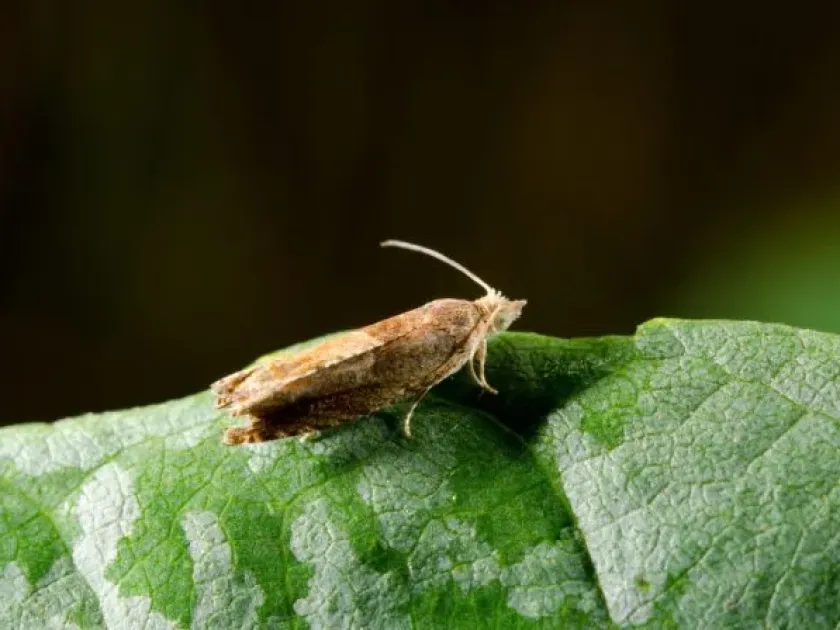
The maple leaf blotch miner (Lithocolletis aceriella, synonym Phyllonorycter aceriella) is a small moth belonging to the family Gracillariidae. These moths are characterized by a narrow wingspan of approximately 8–10 mm and distinct brownish-gold wing patterns.
Adult moths are nocturnal and are rarely seen by observers, making their presence difficult to track visually. The primary damage is caused by the larval stage, which develops inside the leaf tissues of maple species.
The larvae possess a flattened body structure, specifically adapted for feeding between the upper and lower epidermis of leaves. They construct internal tunnels and eventually pupate within a silken cocoon hidden inside the leaf mine.
These pests are host-specific, primarily targeting the Acer genus. Their life cycle is deeply intertwined with the phenology of maple trees, which determines the timing of their emergence and mating seasons.
Identification often relies on observing the damage rather than the insect itself. In dense populations, the moth can significantly alter the appearance of entire maple stands during the growing season.
What it damages
The moth species commonly affects various maples, including Norway maple and silver maple. Damage is most frequently observed in urban landscapes, parks, and tree-lined avenues where host trees are abundant.
Larvae consume the leaf parenchyma, creating blotch-shaped mines on the underside of the leaves. This feeding behavior restricts the plant's photosynthetic capacity and leads to localized tissue necrosis.
Heavily infested trees show reduced vigor, as the cumulative leaf damage hinders the tree's ability to store energy for winter. This stress makes maples more susceptible to secondary pathogens and environmental pressures.
Premature leaf drop is a common consequence of high infestation rates in late summer. This loss of canopy cover reduces the decorative value of the trees and can lead to crown dieback if the problem persists for years.
Saplings and young trees are particularly vulnerable to the impact of these leaf miners. Sustained loss of foliage during critical growth stages can lead to stunted development and, in severe cases, the death of young specimens.
When it appears
The life cycle typically consists of two generations per year in temperate climates. The first generation of adult moths emerges in May, coinciding with the early stages of maple leaf development.
The second generation emerges in mid-summer, generally around July. This is when the intensity of leaf mines increases, as the new population of larvae begins feeding on the foliage.
The development of each generation is highly temperature-dependent. Warm summers can accelerate the transition between life stages, potentially increasing the damage caused before the onset of autumn.
The insect overwinters as a pupa within the fallen leaves on the forest floor. This overwintering strategy makes the timing of autumn maintenance crucial for limiting the population density for the following year.
Seasonal emergence is often synchronized with the bud burst and leaf expansion of maple trees. The presence of the pest follows the seasonal patterns of the host tree throughout its active growing period.
Signs of infestation
The first signs of infestation are small, pale, or translucent spots on the lower leaf surface. As the larvae feed, these areas expand into larger, blotch-like mines that can distort the leaf's shape.
On the upper side of the leaf, yellow or brown patches correspond to the locations of the mines underneath. The affected leaf may eventually curl or develop necrotic, dry edges as the internal tissue is destroyed.
Inspecting the underside of the leaf often reveals dark frass (droppings) left by the larvae inside the mine. If a mine is carefully opened, the small, pale larva can be observed inside.
A tell-tale sign of a severe infestation is the early onset of autumn-like colors and leaf drop in the middle of summer. If a maple tree loses a significant portion of its leaves before September, a leaf miner infestation is likely.
- Blotch-like mines on the lower surface of leaves.
- Yellowing and discolouration on the top side of the leaves.
- Distortion and curling of the leaf blade.
- Premature leaf drop occurring in late summer.
Control measures
The most effective cultural practice is the thorough collection and destruction of fallen leaves in the autumn. This removes the overwintering pupae and breaks the cycle of infestation for the following season.
Chemical control can be implemented using systemic insecticides applied to the foliage during the period of egg-hatching. Careful timing is essential to ensure the chemical reaches the larvae before they create substantial mines.
Biological control methods focus on encouraging natural predators, such as parasitic wasps, which can significantly reduce larval populations. Maintaining a diverse ecosystem around maple stands supports these natural enemies.
Promoting overall tree health through adequate irrigation and fertilization helps maples tolerate miner damage. Strong, healthy trees are better equipped to recover from foliar losses compared to stressed specimens.
In high-value ornamental settings, trunk injection of systemic pesticides may be considered to avoid large-scale foliar spraying. This precise approach delivers the chemical directly to the tree's vascular system.
Taxonomy
- Latin name
- Lithocolletis aceriella
- Order
- Lepidoptera (butterflies)
- Family
- Gracillariidae
- EPPO code
- LITHAC
Discussion
No discussions yet — be the first.