
Lepthyphantes leprosus
Lepthyphantes leprosus
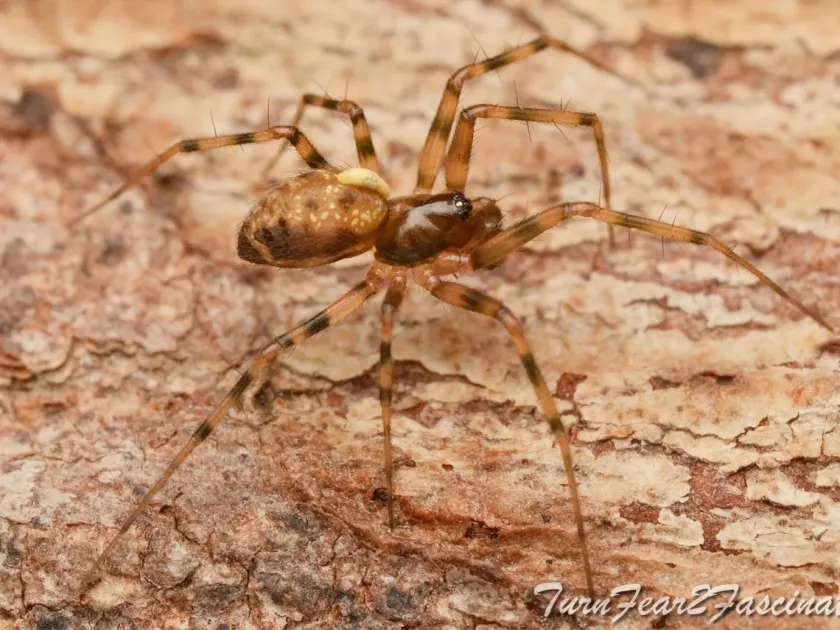
Description
How to identify
Lepthyphantes leprosus is a spider species belonging to the family Linyphiidae, commonly found in various agricultural settings and glasshouses.
These spiders are characterized by their small size and cryptic coloration, which allows them to hide effectively within plant foliage or soil debris.
Taxonomically, they are part of the Araneae order, serving as generalist predators within the complex web of an agro-ecosystem.
In agronomic practice, they are often misidentified as pests due to the presence of silk webbing on plant surfaces, leading to confusion with spider mites.
Identification is best confirmed by the structural complexity of their webs, which differ significantly from the fine, dense webs spun by Tetranychidae mites.
What it damages
This spider species is not a plant pest; it does not feed on plant tissues, nor does it sap nutrients from the leaves or stems.
As a predatory arachnid, it plays a beneficial role by consuming small insect pests such as aphids, thrips, and fungus gnats that reside on the crops.
No agricultural damage, such as leaf yellowing, necrosis, or stunted growth, can be attributed to the presence of these spiders.
The misconception of their damage usually stems from the visual presence of silk, which is purely a trapping mechanism for their prey.
Maintaining a population of these predators is actually considered a positive indicator of an ecological balance within the greenhouse or field.
When it appears
The activity of these spiders is closely linked to the availability of their prey, typically starting in early spring as temperatures rise.
Throughout the growing season, they maintain active hunting sites, with peak activity during summer months when insect populations are highest.
They overwinter in sheltered environments, such as leaf litter, soil cracks, or the structural crevices of greenhouse facilities.
In climate-controlled environments, they can remain active throughout the winter, provided that prey insects are present.
Lifecycle transitions occur gradually, with multiple generations possible depending on the local environmental conditions and the intensity of agricultural management.
Signs of infestation
The primary sign of their presence is the creation of small, sheet-like webs, often referred to as hammock webs, stretched across plant stems.
These webs remain clean and do not cause the leaf curling or discoloration associated with sucking pests like spider mites.
Visual inspection of the web often reveals the discarded remains of insect prey, which is a clear indicator of the spider's predatory role.
The spiders themselves are usually shy and will remain stationary at the center of their web until disturbed by potential prey or movement.
- Visible sheet-like webs at the base of plants.
- Absence of yellow stippling or brown necrotic spots on leaves.
- Presence of insect prey carcasses within the silk strands.
Control measures
No control measures are necessary, as these spiders are beneficial organisms that provide natural pest regulation services.
The use of broad-spectrum pesticides should be avoided, as it unnecessarily eliminates these natural predators and may trigger pest outbreaks.
Integrated Pest Management (IPM) strategies favor the conservation of these spiders as they help keep populations of harmful insects below economic thresholds.
If web accumulation becomes a nuisance in production areas, manual removal is sufficient and preferred over chemical intervention.
Agronomists should educate staff to distinguish between harmless sheet-web spiders and actual plant-damaging mites to prevent unnecessary chemical applications.
Taxonomy
- Latin name
- Lepthyphantes leprosus
- Family
- Linyphiidae
- EPPO code
- LETYLE
Discussion
No discussions yet — be the first.