
Lecanoideus
Lecanoideus
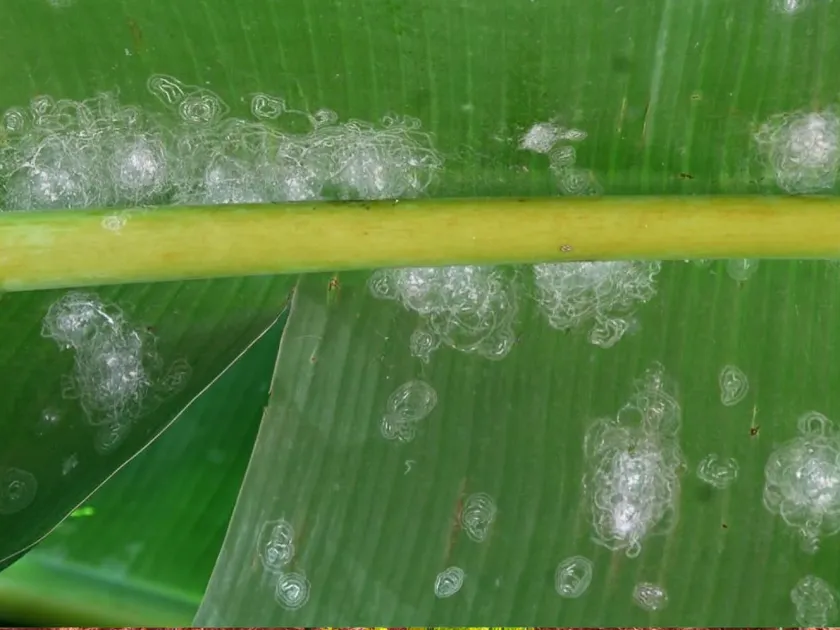
Description
How to identify
Lecanoideus belongs to the family Coccidae, commonly known as scale insects. These insects are characterized by their sedentary lifestyle as adults, during which they remain attached to plant surfaces to feed.
The morphology of Lecanoideus involves a protective scale or waxy test that covers the body of the female. This structure provides significant protection against environmental factors and many contact insecticides.
Their life cycle consists of eggs, several larval stages, and adults. The first instar larvae, often called crawlers, are the only stage capable of active dispersal to new parts of the host plant or neighboring plants.
Reproduction is frequently asexual (parthenogenetic), which allows a single female to establish a new population, leading to rapid expansion of the colony under favorable conditions.
Identification often requires careful inspection under magnification to distinguish Lecanoideus from other scale species, based on specific characteristics of the dorsal scale and microscopic body features.
What it damages
Lecanoideus is known to infest a variety of ornamental plants, fruit trees, and tropical species. They pose a significant threat in greenhouse environments and subtropical orchards where the climate is favorable.
By constantly extracting phloem sap, these insects act as a major drain on plant resources. This persistent feeding causes the plant to become stunted and progressively weakens its structural integrity.
Signs of infestation
One of the most immediate indicators of an infestation is the presence of honeydew on foliage. This sticky substance is secreted by the insects and attracts ants, which often tend the scales.
Sooty mold growth on the honeydew-coated surfaces is a secondary sign of damage. The black fungal layer obscures light, significantly reducing the efficiency of photosynthesis in affected plants.
Small, bump-like protrusions or crusts appearing on stems and the undersides of leaves are signs of the adult insects. These structures are often mistaken for natural plant formations by inexperienced observers.
Infested plants typically show signs of yellowing (chlorosis) and may experience premature leaf drop. Severe infestations can lead to the death of small branches or twigs due to nutrient depletion.
Deformation of new growth is common, as the insects concentrate on tender, nutrient-rich tissues. Over time, the overall health and ornamental value of the plant significantly decline.
Control measures
Effective management requires a multi-faceted approach, starting with strict sanitation and monitoring. Regularly checking new plants before introducing them to a collection is crucial to prevent outbreaks.
Mechanical control includes pruning and removing heavily infested branches. In some cases, manual scrubbing with soapy water can help remove adults, although this is only practical for small-scale infestations.
Systemic insecticides are the most effective chemical control, as they are absorbed by the plant and ingested by the insects during feeding. Timing treatments to coincide with the crawler stage is vital.
Biological control using natural predators, such as parasitoid wasps or ladybird beetles, can suppress populations in greenhouses. This reduces the reliance on harsh chemicals and promotes ecological balance.
Consistent application of horticultural oils can also be effective by suffocating the insects. However, thorough coverage is necessary to ensure the oil reaches all protected areas where the scales reside.
Taxonomy
- Latin name
- Lecanoideus
- Order
- Hemiptera (bugs, aphids, leafhoppers)
- Family
- Aleyrodidae
- EPPO code
- LECOSP
Discussion
No discussions yet — be the first.