
Oak aphid
Lachnus iliciphilus
Description
How to identify
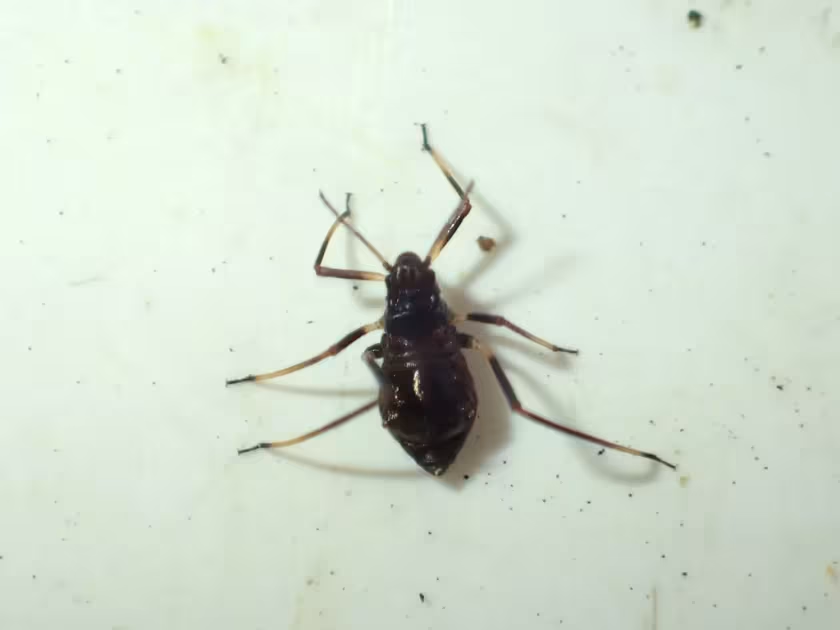
The oak aphid (Lachnus iliciphilus) belongs to the family Aphididae, order Hemiptera. It is a significant pest known for inhabiting various oak species throughout its life cycle.
These aphids are typically large-bodied insects, often dark brown or black in color, which helps them blend into the bark of the host trees they inhabit.
Their bodies are characterized by long antennae and distinct siphunculi (cornicles) on the abdomen. These features are often used by entomologists for accurate identification.
Lachnus species tend to form dense colonies on the trunk or branches of trees, often clustering in areas where they can easily access the phloem sap.
They exhibit complex life cycles involving both parthenogenetic and sexual reproduction, allowing the population to grow rapidly during favorable weather conditions.
What it damages
The primary hosts for Lachnus iliciphilus are trees within the genus Quercus (oaks). They feed exclusively on the sap, causing significant stress to the host plant.
By extracting large quantities of phloem sap, these insects deprive the tree of essential nutrients and carbohydrates, leading to reduced growth rates.
Continuous feeding causes the affected branches to lose vitality. This stress makes the tree more susceptible to secondary infections, such as fungi or wood-boring insects.
The physical damage caused by the aphid's piercing-sucking mouthparts creates entry points for pathogens, potentially leading to localized tissue necrosis.
While an occasional infestation might not kill a healthy tree, repeated annual attacks can significantly damage the overall health and timber value of the stand.
When it appears
Activity begins in early spring, synchronized with the bud burst of oak trees, as the movement of nutrients within the tree provides an ideal food source.
Populations peak during late spring and early summer when temperatures are optimal for rapid reproduction and colony expansion.
As autumn approaches, the aphid produces eggs that are deposited into bark crevices, where they overwinter until the following spring.
Climatic factors such as humidity and mild temperatures play a crucial role in the density and survival rates of the aphid population throughout the year.
Natural mortality increases in mid-summer as predator populations increase, helping to stabilize the infestation levels naturally.
Signs of infestation
The most visible sign of an infestation is honeydew — a sticky, sugary substance secreted by the aphids that coats the bark and leaves below the colonies.
The presence of honeydew often triggers the growth of sooty mold, which appears as a black, powdery coating on the surface of leaves and branches.
Ants are frequently observed farming the aphids, protecting them from predators in exchange for the honeydew, serving as a primary indicator of aphid presence.
Leaf yellowing, curling, and premature leaf drop are common symptoms that indicate the tree is under severe nutritional stress.
- Sticky honeydew residues on leaves and bark.
- Black sooty mold covering affected areas.
- High ant activity on the tree trunk.
- Deformation of young growth and twigs.
- Premature leaf drop in mid-season.
Control measures
Systemic insecticides are generally the most effective method for managing these aphids, as they target the insect through the tree's vascular system.
Biological control is highly effective; encouraging natural predators like lady beetles, lacewings, and hoverflies can help suppress aphid populations.
Applying sticky barriers to the base of the trunk can prevent ants from accessing the aphids, thereby leaving the colony exposed to natural predators.
Maintaining tree vigor through proper irrigation and balanced fertilization helps the oak tree develop its own natural defenses against pest attacks.
Regular monitoring of forest stands and urban trees is essential to identify early outbreaks and apply intervention strategies before the damage spreads.
Taxonomy
- Latin name
- Lachnus iliciphilus
- Order
- Hemiptera (bugs, aphids, leafhoppers)
- Family
- Aphididae
- EPPO code
- LACNIL
Discussion
No discussions yet — be the first.