
Common earwig
Labia
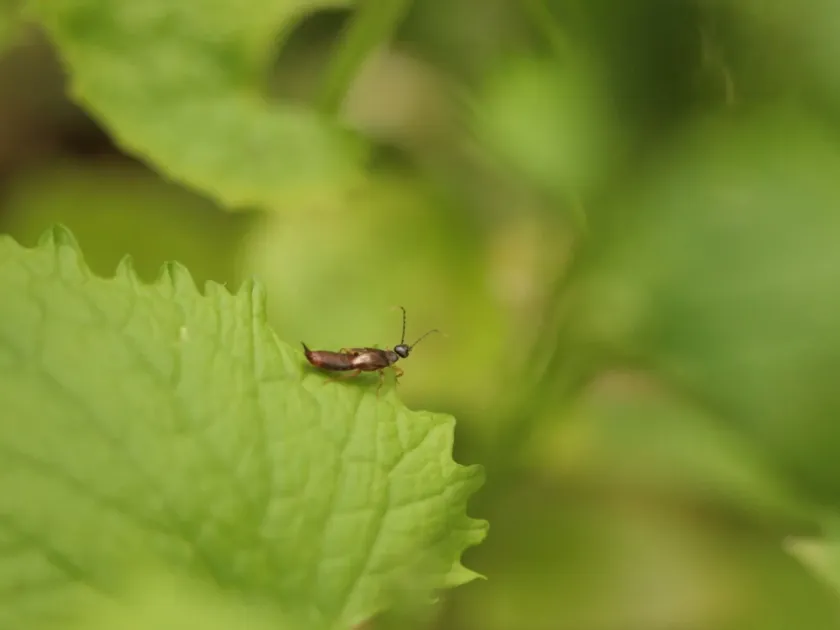
Description
How to identify
The common earwig, known scientifically as Forficula auricularia, is a member of the order Dermaptera. Adults typically measure between 10 and 16 millimeters in length.
They are easily recognized by their elongated, brown body and a pair of distinct, pincer-like appendages called cerci located at the end of the abdomen.
Earwigs are primarily nocturnal creatures that thrive in damp, dark environments, spending their daylight hours hidden under organic debris, rocks, or soil.
The life cycle involves incomplete metamorphosis. Females demonstrate maternal care by protecting their eggs in soil burrows until the nymphs emerge.
Their exoskeleton is tough, and their color can range from light tan to dark brown, which helps them blend into their natural environment during the day.
What it damages
Common earwigs are opportunistic omnivores. While they can consume smaller insects like aphids, they frequently feed on the soft tissues of plants.
They cause significant damage to vegetable crops such as lettuce, cucumbers, and tomatoes by chewing irregular holes in leaves, often ruining younger seedlings.
Ornamental plants are particularly susceptible; earwigs are notorious for devouring the petals of dahlias, roses, marigolds, and other garden flowers.
Soft fruits like strawberries, raspberries, and stone fruits can also be damaged, especially if the fruit is resting on or close to the ground.
On larger fruits like peaches, they often enlarge small wounds made by other insects or birds, significantly reducing the market quality and shelf life of the crop.
When it appears
Earwig activity begins in early spring as soil temperatures rise, prompting them to emerge from their overwintering sites in the soil.
Their population and feeding activity typically peak during the mid-to-late summer, especially during periods of high humidity and rainfall.
Typically, there is one generation per year, although favorable climatic conditions in warmer regions can sometimes support a partial second generation.
Increased rainfall during the growing season often leads to more severe infestations, as earwigs prefer humid conditions for both activity and breeding.
As autumn approaches and temperatures drop, adults seek out deeper soil or protected crevices to hibernate throughout the winter months.
Signs of infestation
The most common sign of an infestation is the appearance of jagged, irregular holes in the leaves and petals of your plants, often concentrated near the edges.
A physical inspection of your garden at night using a flashlight may reveal the insects feeding on the leaves, stems, or blossoms of affected plants.
Small, dark fecal pellets left on the leaves or fruits are a strong indicator that earwigs have been present in the area during the previous night.
Damage to flower buds is a telltale sign; if you notice buds failing to open or having deformed petals, examine the inside of the plant for hidden earwigs.
In fruits, look for small, dark, and sometimes wet-looking excavations that indicate the pests are feeding on the soft pulp of the produce.
Control measures
The first line of defense is sanitation. Clear away piles of leaves, weeds, old boards, and other debris that provide daytime shelter for the pests.
Use simple trapping methods such as dampened rolled newspapers or cardboard, or inverted flower pots filled with straw, placed in the garden overnight.
- Empty the traps into a bucket of soapy water every morning to kill the gathered insects.
- Consider using biological agents, such as beneficial nematodes or fungi, to manage populations naturally.
- Apply chemical insecticides only as a last resort, ensuring they are approved for your specific crops and observing safety intervals.
Tilling the soil in the late autumn can significantly reduce overwintering populations by disrupting their burrows and exposing them to freezing temperatures.
Encourage natural predators by creating habitats for birds, toads, and predatory ground beetles, which actively hunt and consume earwigs.
Taxonomy
- Latin name
- Labia
- Family
- Labiidae
- EPPO code
- LBIASP
Discussion
No discussions yet — be the first.