
Korscheltellus
Korscheltellus
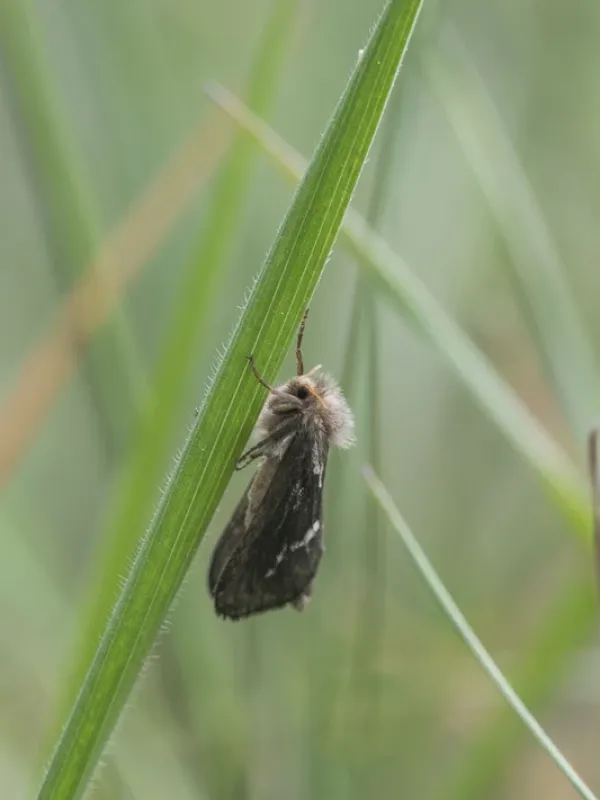
Description
How to identify
Korscheltellus is a genus of moths belonging to the family Hepialidae, commonly known as ghost moths. These insects are nocturnal or crepuscular, appearing mainly during the dusk hours.
Adult moths have cryptic coloration that allows them to blend in with tree bark or soil, providing excellent camouflage against predators during the day.
The larvae are typically whitish or yellowish caterpillars with a sclerotized brown head capsule. They live underground, consuming roots and moving through the soil, which makes them very elusive.
The life cycle involves egg, larval, pupal, and adult stages. The larvae stage is the most prolonged and is responsible for all the damage caused to agricultural crops.
Pupation occurs in the soil, where the insect constructs a protective chamber. This stage is relatively brief compared to the extensive larval development phase.
What it damages
The primary damage is caused by the larvae feeding on the root systems of various plants. Hops (Humulus lupulus) are among the most frequently attacked crops by certain species.
Beyond hops, the pest can affect perennial herbs, shrubs, and even young tree saplings. By damaging the roots, the larvae deprive the plant of its ability to uptake water and nutrients.
Root damage leads to weakened plant vitality, resulting in stunted growth or even death if the root system is severely compromised or severed near the crown.
Feeding wounds created by the larvae serve as entry points for soil-borne pathogens, such as fungi and bacteria, which cause root rot and further exacerbate the damage.
Heavy infestations can lead to significant yield loss and the degradation of plantations, forcing farmers to replace aging rootstocks prematurely.
When it appears
Adult flights typically occur during the summer months, from June to August. After mating, females lay their eggs in the soil near the base of host plants.
Once hatched, larvae start feeding on smaller roots before progressing to larger ones as they grow larger and gain strength.
Larvae overwinter deep in the soil, allowing them to survive cold winters successfully and resume their feeding activity early in the following spring.
The peak of larval activity coincides with the most intensive growth phase of the plants, making spring and early summer critical periods for monitoring.
Development time is highly dependent on environmental conditions, particularly soil temperature and moisture, which dictate the emergence time of the adult moths.
Signs of infestation
Sudden wilting or chlorosis of the foliage, especially in patches, is a common indicator that the root system is under attack by subterranean pests.
Evidence of larval activity, such as boreholes in the roots or tunnels in the soil surrounding the plant base, can be found upon careful inspection of the root zone.
Plants affected by larval feeding often show poor vigor and may easily become uprooted if pulled, due to the loss of anchoring roots.
Uneven growth within a field, where some plants are healthy while others are stunted, often highlights areas where Korscheltellus larvae are present.
The presence of moths near the crops at night, coupled with the aforementioned symptoms, confirms the need for immediate pest management interventions.
Control measures
Effective management begins with sound cultural practices, such as proper crop rotation and the elimination of weeds that serve as alternative hosts.
Deep cultivation of the soil can help expose larvae to surface predators and harsh weather conditions, significantly reducing their population density.
- Utilizing pheromone traps for monitoring and reducing male moth populations.
- Applying biological control agents, such as entomopathogenic fungi or beneficial nematodes, directly into the soil.
- Using targeted chemical soil treatments only when the infestation threshold is exceeded.
- Maintaining optimal soil moisture to encourage rapid root regeneration and plant recovery.
Integrated Pest Management (IPM) strategies, which combine cultural, biological, and chemical methods, are essential to minimize environmental impact while maintaining crop health.
Taxonomy
- Latin name
- Korscheltellus
- Order
- Lepidoptera (butterflies)
- Family
- Hepialidae
- EPPO code
- KRSCSP
Discussion
No discussions yet — be the first.