
Kleinschmidtimyia
Kleinschmidtimyia
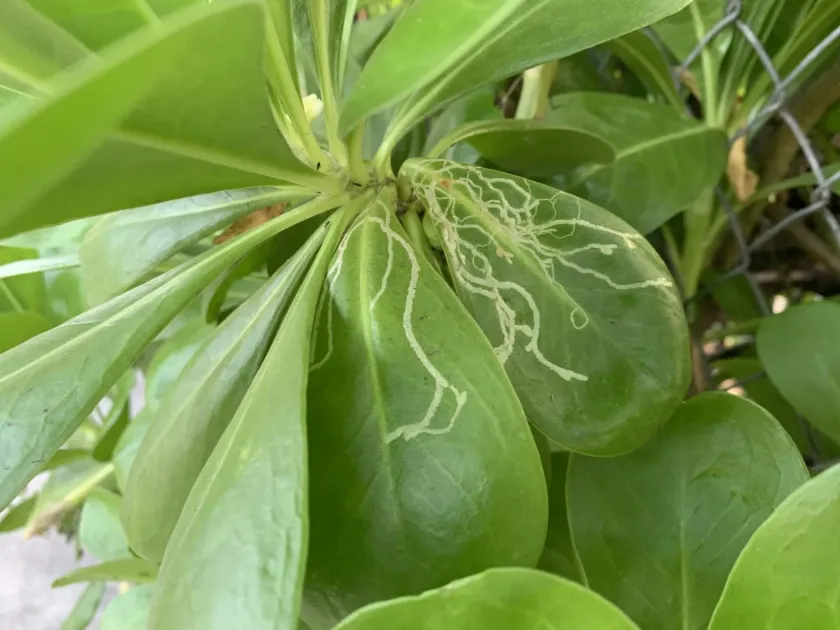
Description
How to identify
Kleinschmidtimyia is a genus of insects belonging to the family Cecidomyiidae, commonly known as gall midges, within the order Diptera. These are minute flies that have evolved a specialized relationship with their host plants, inducing gall formation.
The adult flies are delicate and very small, making them difficult to detect in field environments without specific sampling techniques or entomological traps.
The larvae are typically maggot-like and develop within the tissues of the host plant, effectively creating a sheltered micro-environment for their growth and feeding stages.
As members of the subfamily Cecidomyiinae, they are biologically programmed to interact with plant hormones to trigger the growth of abnormal tissue masses known as galls.
Precise identification at the species level often necessitates expert morphological examination of the larval and adult stages under laboratory conditions, as many related species appear physically similar.
What it damages
This pest primarily affects herbaceous plants, including various wild species and certain agricultural crops that are susceptible to the specific stimuli provided by the larvae.
The damage is caused during the larval developmental stages, as the insect feeds and secretes substances that cause the host plant to redirect nutrients toward the developing gall.
This physiological disruption impairs the plant's ability to conduct photosynthesis efficiently and diverts energy away from standard growth and reproductive processes.
Heavy infestations can lead to severe deformation of leaves or stems, resulting in stunted development and a significant decrease in biomass production or crop yield.
Compromised plant tissues also become entry points for secondary infections by fungi or bacteria, which can exacerbate the total damage to the crop.
Signs of infestation
The most diagnostic sign of an infestation is the appearance of localized swellings, growths, or distinctly shaped galls on the leaves, stems, or buds of the host plant.
The visual characteristics of these galls are usually consistent for a particular species of Kleinschmidtimyia and typically involve a change in color compared to healthy tissue.
By dissecting these galls, one can observe the larvae residing within, which typically appear as translucent or whitish organisms feeding inside the gall cavity.
Over time, the area surrounding the gall may begin to show signs of necrosis, turning brown or black as the plant cells die due to sustained mechanical and chemical damage.
Additional symptoms include general plant wilting, chlorosis of the affected area, and potential premature leaf drop if the infestation is sufficiently extensive.
Control measures
Cultural control is a primary management strategy, involving the thorough removal and destruction of crop residues where pupae or larvae may overwinter.
Maintaining crop rotation and ensuring spatial isolation of susceptible crops from wild host reservoirs are essential to minimize the colonization pressure of the pest.
Chemical control may involve the use of systemic insecticides, provided they are applied during the peak flight activity of the adults to intercept the reproductive cycle.
Biological control, leveraging natural parasitoids that target gall midges, is highly effective for maintaining pest populations below the economic injury level in sustainable farming.
- Regular monitoring of vegetation for early signs of gall formation.
- Sanitary practices like pruning and burning infested plant matter.
- Enhancing plant health through optimal nutrition to withstand stress.
Taxonomy
- Latin name
- Kleinschmidtimyia
- Order
- Diptera (flies)
- Family
- Agromyzidae
- EPPO code
- KLEMSP
Discussion
No discussions yet — be the first.