
Kakimia
Kakimia
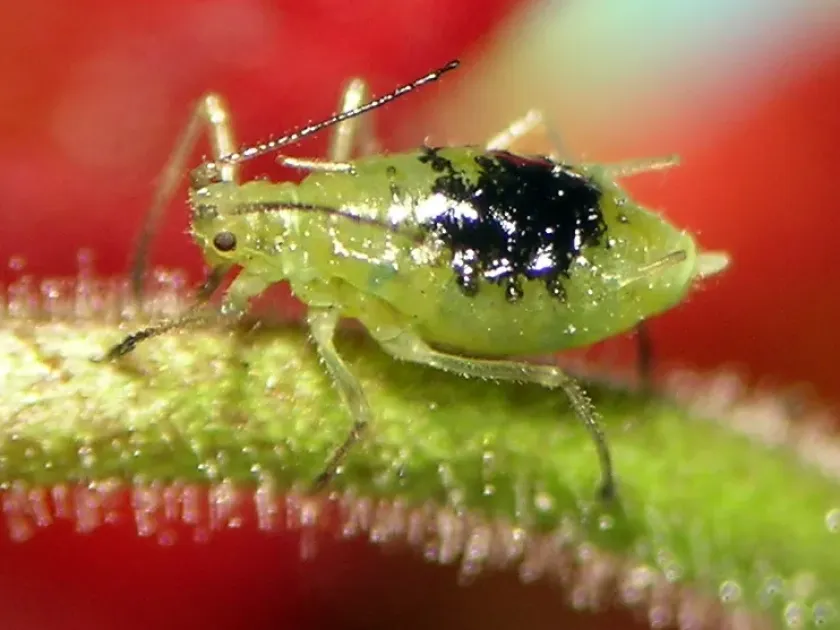
Description
How to identify
Kakimia is a genus of aphids belonging to the family Aphididae. These small, soft-bodied insects are specialized feeders, often found on specific herbaceous perennials and woody plants, which makes them a distinct pest in certain agricultural and garden settings.
Morphologically, these aphids are characterized by their specific body structure, including the shape of their siphunculi and cauda. While small and often difficult to distinguish from other common aphids with the naked eye, they possess specific traits visible under magnification.
The life cycle typically includes both wingless (apterous) and winged (alate) forms. The alate forms are crucial for the migration of the population to new, healthy plant tissues, allowing the infestation to spread rapidly across a field or nursery.
They prefer to live in protected, micro-environments on the plant, such as the undersides of leaves or within tight clusters of developing buds, which helps them avoid environmental stressors and predators.
The genus is known for its high reproductive rate. A single colonizing female can give rise to a large colony in a matter of weeks, especially under temperate weather conditions favorable to their metabolic activity.
What it damages
Kakimia species primarily attack plants in the family Saxifragaceae. Popular ornamental plants like Heuchera, as well as some Ribes species, are common hosts for these aphids.
By inserting their piercing-sucking mouthparts into the phloem, the aphids extract essential nutrients, which leads to stunted growth, wilting, and a significant loss of overall plant vigor.
The damage is not limited to nutrient loss. The aphids inject saliva containing enzymes that interfere with plant growth regulators, causing severe deformation, leaf curling, and chlorosis on the infested parts.
Perhaps the most significant threat is their role as vectors for various plant viruses. As they move between plants, they can transmit pathogens that cause systemic diseases, often resulting in permanent plant decline.
The accumulation of honeydew secreted by the aphids provides a perfect substrate for sooty mold fungi. This mold creates a physical barrier on the leaf surface, which reduces photosynthetic efficiency and lowers the aesthetic value of ornamental plants.
When it appears
The life cycle starts in early spring when the fundatrices (the first generation) hatch from overwintering eggs located on the bark or near dormant buds of the host plant.
As spring progresses into early summer, the population grows exponentially through asexual reproduction (parthenogenesis). During this period, the aphids are most active and visible on the expanding foliage.
In mid-summer, heat and drought can influence their activity. While they may continue to reproduce, the colony might shift toward the cooler, more shaded parts of the plant to escape direct sunlight.
The transition to the sexual stage occurs in the autumn. Winged males and oviparous females are produced to facilitate mating, ensuring the survival of the species through the winter in the form of cold-hardy eggs.
This seasonal synchronization ensures that the aphids are perfectly aligned with the growth stages of their host plants, providing them with a steady supply of high-quality sap during critical development periods.
Signs of infestation
Visible signs of an infestation include distorted or curled leaves at the tips of new shoots. This curling is often a defense mechanism of the plant and a byproduct of the aphid's feeding enzymes.
The presence of honeydew is a primary diagnostic sign. Leaves will feel sticky, and in the case of a heavy infestation, you may notice a glistening substance on the foliage or even on the ground beneath the plant.
The development of sooty mold, appearing as a dark, powdery coating, is a clear indicator of a long-standing infestation that has significantly stressed the plant.
Yellowing or chlorosis of the foliage, combined with an overall lack of vigor and potentially dropped buds or flowers, indicates that the plant's resources are being severely depleted.
- Leaf curling and deformation on the growing tips.
- Shiny, sticky honeydew residue on the leaves.
- Presence of black, sooty mold patches on the foliage.
- Increased ant activity around the plant base.
Control measures
Effective control of Kakimia requires a proactive approach. Regular monitoring of host plants, especially checking the undersides of young leaves starting in early spring, is essential for early detection.
Cultural practices, such as removing weeds that could act as alternative hosts and managing nitrogen fertilization to avoid excessive, succulent growth, can make plants less attractive to the aphids.
Biological control methods involve fostering a garden environment that supports natural predators like lady beetles, lacewings, and syrphid fly larvae, which can naturally regulate aphid numbers.
In cases where infestations are severe or threaten the survival of the plants, the use of systemic insecticides is recommended. These chemicals are absorbed by the plant and provide protection against aphids feeding on the sap.
It is important to rotate the use of insecticides with different modes of action to prevent the development of resistance within the aphid population, a common issue with intensive chemical management.
Taxonomy
- Latin name
- Kakimia
- Order
- Hemiptera (bugs, aphids, leafhoppers)
- Family
- Aphididae
- EPPO code
- KAKISP
Discussion
No discussions yet — be the first.