
Isoperla fulva
Isoperla fulva
Description
How to identify
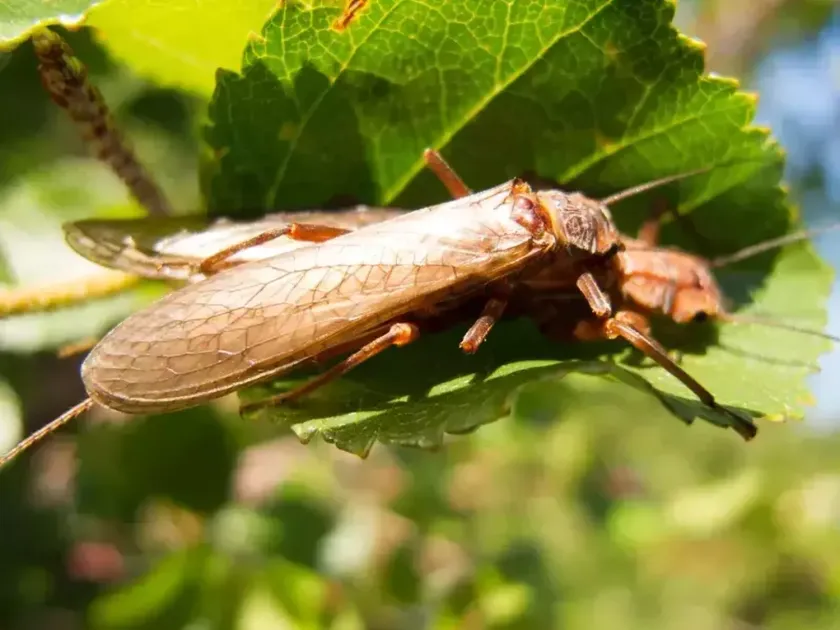
Isoperla fulva is a species of stonefly belonging to the family Perlodidae. These insects are easily recognized by their slender bodies and two pairs of wings that fold flat over their back.
The adult form is characterized by a yellowish to reddish-brown coloration, which helps it camouflage against bark and dry grass near streams.
The nymphs are aquatic, living in well-oxygenated running water. They possess a flattened body shape, which allows them to hide effectively under riverbed stones and rubble.
Scientific identification usually involves examining the genital structures, as many species within the Isoperla genus look very similar to the naked eye.
As members of the Plecoptera order, these insects serve as key biological indicators, as they cannot survive in polluted or stagnant water environments.
When it appears
The life cycle of Isoperla fulva is predominantly aquatic. Nymphs grow and develop in streams for a period ranging from one to several years.
Adult emergence typically occurs during the warmer months, starting in late spring and extending into early summer, depending on the local climate and water temperatures.
Once emerged, adults focus on mating and egg-laying. Their lifespan as adults is relatively short, often just enough to complete their reproductive functions.
Eggs are deposited directly into the water, where they incubate before hatching into the first-instar nymphs that will begin the cycle anew.
The timing of the emergence is synchronized with environmental cues, ensuring that the population thrives under favorable conditions for larval development.
Control measures
Isoperla fulva is not considered an agricultural pest. It does not feed on crops and does not cause any form of damage to agricultural production or forestry.
No control measures are necessary or recommended for this species. Insecticide applications in areas where this stonefly is present could cause unnecessary collateral damage to beneficial insects.
Management practices should focus on maintaining water quality and preserving riparian buffer zones, which support healthy aquatic and terrestrial insect populations.
Agricultural efforts should be concentrated on true pests that impact yields, while protecting species that function as essential components of the broader ecosystem.
Understanding the difference between non-pest aquatic insects and actual crop pests is crucial for sustainable and responsible farming practices.
Taxonomy
- Latin name
- Isoperla fulva
- Family
- Perlodidae
- EPPO code
- IPERFU
Discussion
No discussions yet — be the first.