
Isonychia
Isonychia
Description
How to identify
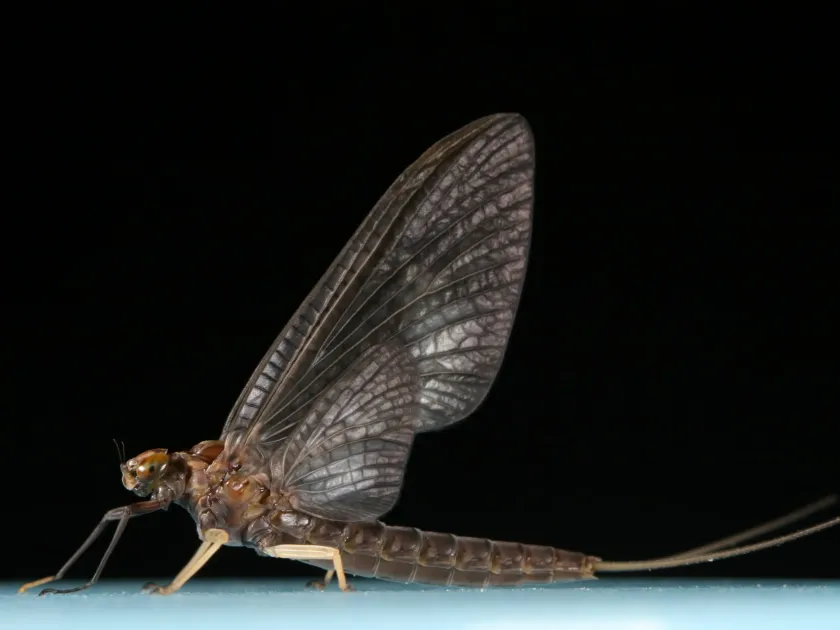
Isonychia is a genus of mayflies belonging to the family Isonychiidae. These insects are well-known for their specific adaptations to lotic (flowing water) environments.
Adult mayflies are characterized by their fragile bodies, long forelegs, and distinctively veined wings that remain translucent.
The nymphs are agile swimmers, possessing a streamlined body shape that allows them to maintain position in swift currents.
Identification features include specialized mouthparts adapted for filtering food particles and long, delicate tails used for balance.
Coloration of the nymphs is typically cryptic, ranging from dark brown to black, which helps them blend into rocky riverbeds.
What it damages
It is important to clarify that Isonychia is not an agricultural pest. They do not damage crops, ornamental plants, or fruit trees.
These insects serve as essential members of the aquatic food web, consuming detritus, algae, and organic matter found in streams.
There is no record of them acting as herbivores that would threaten commercial vegetation or backyard gardens.
In some cases, their presence might be a nuisance in water infrastructure, but they do not cause direct damage to plant tissues.
As biological indicators, they are valued by environmental scientists for assessing water quality rather than being managed as pests.
When it appears
The life cycle of Isonychia depends heavily on water temperature, with nymphal development occurring throughout most of the year.
Emergence of adult mayflies usually takes place during late spring and summer months when weather conditions are optimal for mating.
The nymphal stage is the longest part of their life cycle, lasting months as they grow and mature in well-oxygenated stream water.
Adults have short lifespans, typically lasting only a day or two, which is characteristic of the Ephemeroptera order.
Seasonal pulses of emergence are often observed, providing a significant food source for birds, fish, and other aquatic predators.
Control measures
Since Isonychia is not a pest, there are no recommended chemical control measures for agricultural or horticultural protection.
Management is generally focused on environmental conservation rather than eradication, as these insects indicate healthy ecosystems.
Avoid the use of pesticides near streams and rivers to prevent the accidental killing of these beneficial aquatic organisms.
If population control is needed for specific industrial water systems, non-chemical screening or biological management is preferred.
Protecting the natural habitat is the best way to maintain the balance of the ecosystem and ensure the health of water resources.
Taxonomy
- Latin name
- Isonychia
- Family
- Siphlonuridae
- EPPO code
- ISONSP
Discussion
No discussions yet — be the first.