
Illinoia
Illinoia
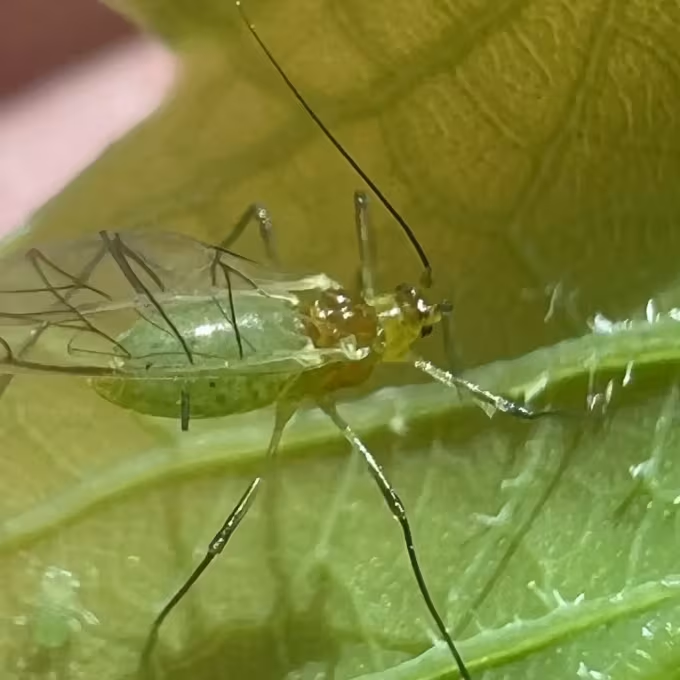
Description
How to identify
The genus Illinoia belongs to the family Aphididae, which includes some of the most persistent and destructive sap-sucking pests affecting various plant species globally.
These insects are characterized by a small, pear-shaped body, typically ranging from 1.5 to 3 mm in length, and possess a long, tubular rostrum used for penetrating plant tissues.
Like many aphids, they display significant polymorphism, appearing in both wingless (apterous) forms for rapid local reproduction and winged (alate) forms for migration to new hosts.
They are generally green or yellowish-green, allowing them to blend seamlessly into the foliage of their host plants, which makes early detection a challenge for many growers.
Their life cycle involves parthenogenetic reproduction throughout the growing season, which enables the rapid establishment of massive colonies that can overwhelm a plant in a short time.
What it damages
Illinoia aphids are known to feed on a variety of plants, particularly favoring species within the Asteraceae and Rosaceae families, including many ornamental shrubs and garden vegetables.
By extracting plant sap, they divert essential nutrients meant for the development of new shoots, buds, and fruits, which significantly stunts the overall growth of the plant.
The feeding process results in the removal of water and photosynthates, causing physiological stress, chlorosis, and in severe cases, the necrosis of infested plant tissues.
These aphids are also notorious for transmitting plant viruses. Through their piercing-sucking mouthparts, they introduce pathogens that can cause systemic infections, often worse than the direct feeding damage.
The excretion of honeydew promotes the growth of sooty mold, a black fungus that covers leaves, blocking sunlight and reducing the plant's capacity to photosynthesize effectively.
When it appears
The activity of these aphids generally begins in the early spring, as temperatures rise and new plant growth provides an abundance of succulent food sources.
The peak infestation period typically occurs during the late spring and early summer when the climate is warm and consistent, allowing for the fastest reproductive rates.
During the summer months, their populations can be checked by heat and natural enemies, but they often resurgence in the cooler temperatures of early autumn before entering a dormant phase.
In greenhouses or controlled indoor environments, these aphids can reproduce year-round, as they do not face the environmental pressures of outdoor seasons.
Seasonal migration between primary and secondary hosts is a common strategy for many aphids in this genus, ensuring the survival of the species across changing environmental conditions.
Signs of infestation
The most noticeable sign of an Illinoia infestation is the distortion, curling, or yellowing of young leaves and the stunted development of growing tips.
Sticky residue on the foliage or the presence of a black, powdery substance (sooty mold) is a strong indicator that an aphid colony is actively feeding on the plant.
Frequent visits by ants on stems and leaves are a major warning sign; ants actively farm aphids to collect the honeydew they produce, protecting them from predators.
Clustered insects can often be found on the undersides of leaves or around the base of flower buds, where they feed in concentrated groups to maximize their access to sap.
Early bud drop or failure of flowers to open properly can also point to high aphid pressure, as the insects specifically target these high-nutrient areas.
Control measures
Integrated Pest Management (IPM) is crucial. Regular monitoring of plants allows for early detection, enabling the physical removal of small clusters before they spread.
Encouraging beneficial insects such as lady beetles, lacewings, and parasitic wasps is a highly effective way to keep aphid populations below the economic injury level.
Chemical control should be used as a last resort, utilizing systemic insecticides that are applied to the soil or foliage to target the aphids from within the plant tissues.
Cultural practices, such as maintaining healthy plant growth through proper irrigation and balanced fertilization, can make plants more resistant to aphid colonization.
Managing ant populations on the property is an essential auxiliary step, as their removal often leads to a natural decline in the aphid population due to increased predator access.
Taxonomy
- Latin name
- Illinoia
- Order
- Hemiptera (bugs, aphids, leafhoppers)
- Family
- Aphididae
- EPPO code
- ILLNSP
Discussion
No discussions yet — be the first.