
Grass sheet weaver spider
Hylyphantes graminicola
Description
How to identify
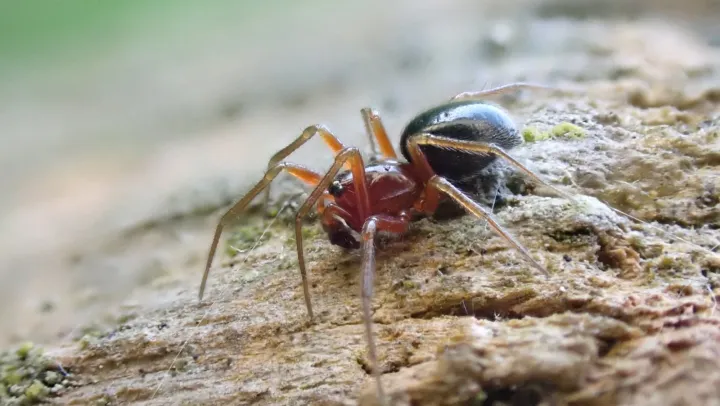
The grass sheet weaver spider (Hylyphantes graminicola) is a small member of the Linyphiidae family, typically measuring 2–3 millimeters in length.
These spiders are characterized by their glossy cephalothorax and a generally dark, sometimes brown, abdomen that blends into the soil and vegetation.
Identification is best achieved through microscopic examination of the reproductive organs, which is a standard procedure in specialized entomological surveys.
They are famous for constructing delicate, horizontal sheet webs near the base of plants or between individual stems of cereal crops.
The legs are relatively long compared to their body size and are usually lighter in color, often showing a yellowish or pale orange tint.
What it damages
While often considered beneficial due to their predatory nature, high populations can create excessive amounts of silk in young cereal fields.
The webs can entangle young seedlings, potentially restricting their vertical growth and causing minor physical deformations during early development.
Dense web coverage may trap moisture near the base of the plant, which can sometimes create a micro-environment conducive to fungal pathogens.
Although they do not feed on plant tissues, the mechanical impact of their large-scale web-spinning activities can stress young, tender crops.
Economic damage is generally low, but in high-density areas, their presence may interfere with plant respiration and sunlight absorption of basal leaves.
When it appears
Their life cycle begins in early spring as temperatures rise, allowing them to emerge from their overwintering sites in the soil or crop debris.
Activity peaks during the vegetative growth phase of cereals, when the canopy provides the necessary structure for their horizontal sheet webs.
As summer temperatures peak, activity may slightly decline, but the spiders remain present and continue to hunt for small insects within the crop.
In late autumn, adult spiders seek out protected spots such as hedge rows, dense grass clumps, or soil crevices to enter a state of dormancy.
Environmental factors like humidity and consistent food supply significantly influence their rate of colonization and total population size.
Signs of infestation
The most prominent sign is the appearance of thin, horizontal, sheet-like webs that become visible in the early morning when covered by dew.
Small seedlings that appear curled or stunted due to entanglement in fine silk threads are a primary indicator of their presence.
Accumulation of dust and soil particles on fine threads between plant rows highlights the location of their hunting sheets.
The presence of abandoned exoskeletons on the undersides of leaves confirms that the spider population is actively growing and molting.
Direct sightings of the small, dark spiders scurrying along the base of stems or sitting quietly in the center of their webs are common during field inspections.
Control measures
Cultural control via field hygiene is the most effective approach, including the regular removal of weeds that act as refuges for the spiders.
Deep plowing in autumn and spring disrupts the overwintering sites, significantly reducing the survival rate of the spider population.
Standard insecticide applications used for grain pests are generally effective in managing spider densities when they become excessive.
Maintaining proper crop density prevents the creation of overly humid micro-climates that are highly favored by sheet weaver spiders.
Integrated pest management strategies focusing on natural predator support can help maintain the spider population at non-damaging levels.
Taxonomy
- Latin name
- Hylyphantes graminicola
- Family
- Linyphiidae
- EPPO code
- HYLYGR
Discussion
No discussions yet — be the first.