
Orchid aphid
Hyalopteroides humilis
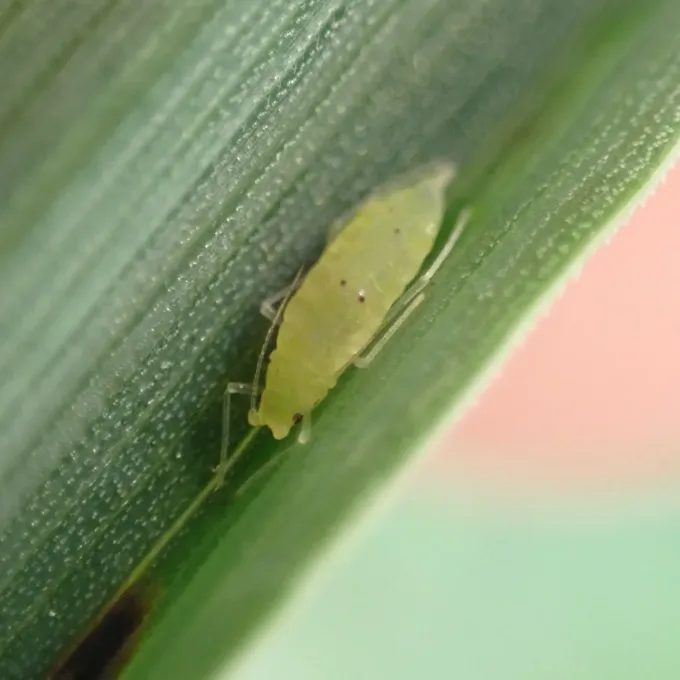
Description
How to identify
The orchid aphid, scientifically known as Hyalopteroides humilis, is a small insect belonging to the family Aphididae. It is a specialized pest that specifically targets orchids, often going unnoticed due to its small size and protective coloration.
Adults typically measure between 2 and 3 millimeters in length and have an oval-shaped body. Their color ranges from pale green to yellowish-brown, allowing them to blend seamlessly with the stems and leaf bases of their host plants.
Like other aphids, they possess a piercing-sucking mouthpart designed to feed on phloem sap. The species includes both winged and wingless forms, which allows for rapid colonization of new hosts once a colony reaches a high density.
Nymphs resemble the adults but are smaller and lack developed reproductive organs. Under favorable conditions, particularly in warm greenhouses, their reproduction rate is extremely high, leading to overlapping generations throughout the year.
To spot them, one should use a magnifying glass to inspect the undersides of leaves, leaf axils, and the developing flower spikes, where the aphids tend to aggregate during the early stages of an infestation.
What it damages
Hyalopteroides humilis is primarily known to infest orchids (Orchidaceae). They represent a significant threat to various greenhouse-grown and indoor orchid varieties, often causing severe economic or aesthetic damage.
By feeding on the plant's sap, the aphids extract essential nutrients, causing the plant to lose vigor. This feeding process frequently results in the stunting of growth, especially in young, developing tissues and fresh shoots.
The damage to flower spikes is particularly devastating for orchid enthusiasts. The feeding activity causes the spikes to twist, deform, or become stunted, often resulting in the premature dropping of buds before they even open.
Furthermore, the aphid's saliva contains enzymes that can cause localized necrosis, chlorosis, and general leaf deformation. These tissue lesions not only look unsightly but also disrupt the plant's photosynthetic efficiency.
Severe infestations weaken the plant's immune system, making it highly susceptible to secondary infections by fungi and viruses, which can prove to be far more lethal to the orchid than the aphids themselves.
Signs of infestation
The most common sign of an aphid infestation is the presence of honeydew, a sticky substance secreted by the insects. This substance attracts ants and provides a perfect substrate for the growth of sooty mold, which blocks light and air from the leaves.
Ant activity on your orchids is a major red flag. Ants are often found farming aphids, protecting them from predators in exchange for the sugary honeydew, so a sudden increase in ant presence should prompt an immediate inspection.
Leaves that appear curled, yellowed, or distorted are classic symptoms of prolonged feeding. If you notice these signs on your orchid's new growth, it is likely that a colony of aphids is feeding in the surrounding areas.
White, translucent skins left behind on the foliage are an indication of molting. These discarded skins are often mistaken for mineral deposits from tap water but are actually a clear sign of an active, growing aphid population.
Direct sightings of clusters of tiny, pale or brownish insects in sheltered spots are the final proof. These clusters can grow quite large if left unchecked, covering the base of buds or the underside of leaves.
Control measures
The first line of defense against the orchid aphid is strict quarantine. Always isolate new additions to your collection for at least two weeks to ensure they are free from pests before introducing them to your main plant display.
Mechanical control is effective for minor infestations. Gently wiping the affected areas with a soft cloth dipped in a mild soapy water solution or isopropyl alcohol can remove the majority of the colony without damaging the plant.
For more severe cases, systemic insecticides formulated for ornamental plants can be used. It is crucial to follow the manufacturer's dosage guidelines strictly, as orchids can be sensitive to certain chemical compounds.
Biological control options, such as introducing predatory ladybugs or lacewing larvae, are highly effective in controlled environments like greenhouses. Additionally, microbial insecticides based on Beauveria bassiana can provide excellent results.
Finally, focus on plant health through good cultural practices. Providing adequate ventilation, maintaining proper humidity levels, and ensuring optimal watering will keep your orchids resilient and less attractive to potential pests.
Taxonomy
- Latin name
- Hyalopteroides humilis
- Order
- Hemiptera (bugs, aphids, leafhoppers)
- Family
- Aphididae
- EPPO code
- HYARHU
Discussion
No discussions yet — be the first.