
Hyalopteroides
Hyalopteroides
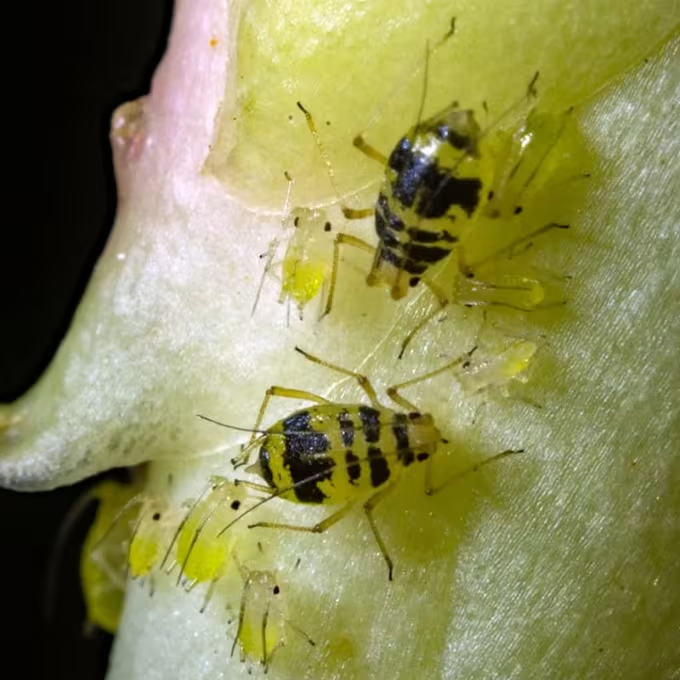
Description
How to identify
The genus Hyalopteroides belongs to the family Aphididae, order Hemiptera. These insects are specialized pests that primarily colonize various grasses and cereal crops.
Adult aphids are relatively small, often displaying light green or brownish coloration that provides effective camouflage on host plant stems.
The morphology of these insects includes a piercing-sucking mouthpart, which is highly efficient at extracting phloem sap from the host plant tissue.
The life cycle is characterized by a rapid succession of generations, with both apterous (wingless) and alate (winged) forms present in the population.
Detailed identification of the genus typically requires microscopic examination of the cauda, siphunculi, and wing venation patterns to ensure accurate classification.
What it damages
The primary hosts for these aphids are plants from the Poaceae family, including wheat, barley, and various wild grass species.
Damage occurs when large colonies suck sap from the leaves, causing the plant to lose vital nutrients and energy meant for grain development.
Severe infestations during the jointing and heading stages can lead to stunted growth and a significant reduction in total grain yield.
Beyond physical damage, Hyalopteroides species are known vectors for several plant viruses, which can cause systemic diseases in cereal fields.
The withdrawal of sap results in leaf curling and chlorosis, which prevents the plant from maximizing its photosynthetic capacity during peak growth periods.
When it appears
Activity generally begins in the early spring, as temperatures rise and the first growth of cereal crops provides a nutrient source.
Population densities typically peak during the mid-season, specifically when host plants reach their vegetative maturity and reproductive phases.
Warm and humid weather conditions are particularly conducive to the rapid expansion of aphid colonies, leading to potential outbreaks.
By late summer and autumn, the aphids may move to winter cereals or survive as eggs on plant debris, ensuring the continuation of their cycle.
The ability to overwinter on crop residues or in the root zones of perennial grasses allows the pest to remain present in the agricultural ecosystem.
Signs of infestation
Initial symptoms of infestation include the curling and yellowing of leaf tips, which is a classic reaction to aphid feeding pressure.
Clusters of aphids can usually be found on the undersides of leaves or in the leaf sheaths, often accompanied by sticky honeydew secretions.
The presence of honeydew often triggers the growth of sooty mold, which manifests as a black, powdery coating on the surface of the plant.
Affected fields may show uneven growth, with plants looking smaller, discolored, and generally less healthy compared to unaffected crops.
- Leaf curling and deformation.
- Sticky honeydew buildup.
- Visible aphid colonies on leaves.
- Sooty mold growth (black spots).
- Reduced plant vigor and stunted growth.
Control measures
Agronomic control strategies start with effective weed management to eliminate alternative host plants and potential reservoirs of the pest.
Crop rotation is a fundamental practice that disrupts the pest's cycle and reduces the buildup of populations in specific fields.
The use of resistant cereal varieties is highly recommended to provide inherent protection against aphid colonization and subsequent viral transmission.
When monitoring reveals that populations have crossed economic thresholds, the application of systemic or contact insecticides is necessary.
Integrated Pest Management (IPM) techniques, including the use of sticky traps and the preservation of natural predators, can also mitigate infestation levels.
Taxonomy
- Latin name
- Hyalopteroides
- Order
- Hemiptera (bugs, aphids, leafhoppers)
- Family
- Aphididae
- EPPO code
- HYARSP
Discussion
No discussions yet — be the first.