
Hippolais
Hippolais
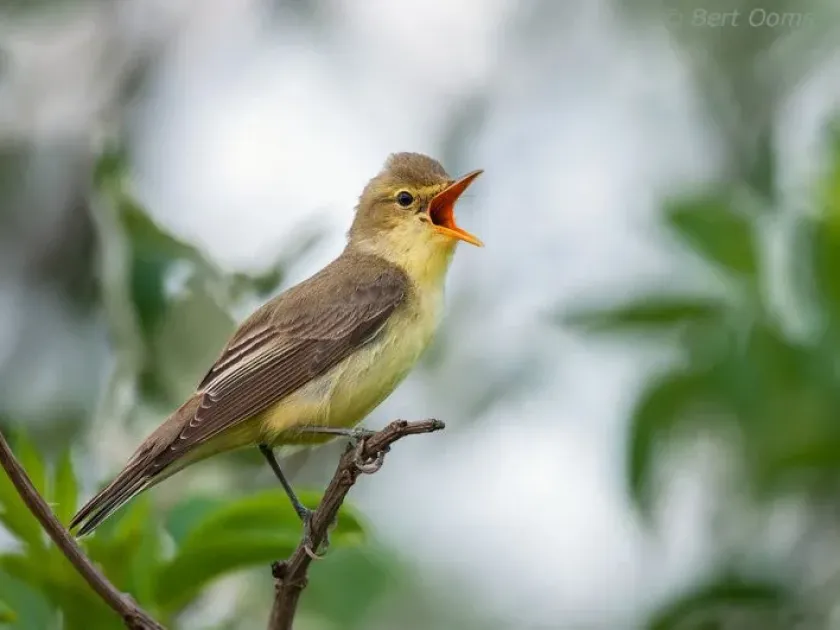
Description
How to identify
The genus Hippolais belongs to the family Acrocephalidae. These small passerine birds are renowned for their complex songs and ability to mimic other species, which is the origin of their common name in many languages.
They are characterized by their olive-green to brown plumage on the back and lighter, often yellowish, underparts. They have strong beaks adapted for catching insects among dense foliage.
These birds prefer habitats with thick vegetation, such as deciduous forests, orchards, and shrublands, where they remain relatively elusive throughout the breeding season.
From an agronomic perspective, they are classified as beneficial insectivores. They provide a valuable service to farmers by regulating insect populations in agricultural ecosystems.
They are not considered pests; rather, they are seen as allies in maintaining a balanced garden ecosystem, particularly in fruit-growing regions.
What it damages
Hippolais species do not cause damage to agricultural crops. Their diet is composed almost exclusively of soft-bodied invertebrates, including caterpillars, aphids, and flies.
By feeding on these insects, they provide a form of natural pest control. Their high metabolic rate during the breeding season requires them to consume a vast quantity of pests daily.
There is no evidence suggesting that these birds pose a threat to fruit crops or vegetables. Any interaction with crops is limited to foraging for insects on the surface of leaves and branches.
The economic impact of these birds is positive, as they help reduce the need for chemical insecticide applications, thereby supporting sustainable agricultural practices.
In conclusion, treating this genus as a pest is an error that contradicts the principles of integrated pest management and modern agricultural ecology.
When it appears
These birds are migratory. They typically arrive at their breeding grounds during the late spring, which coincides with the time when most garden insects start their reproductive cycles.
The period from June to July is marked by intense feeding activity as adults nourish their young, making this the most effective time for natural pest regulation.
As summer draws to a close, the birds begin their migration to warmer regions, typically leaving by late August or early September.
This seasonal presence ensures that crops are protected during their most critical growth phases, effectively covering the main part of the gardening season.
Their cyclical appearance makes them a predictable and reliable natural resource for organic pest management in orchards and agroforestry areas.
Control measures
There is no need for control measures against Hippolais, as they are non-destructive and generally protected species under various national and international wildlife laws.
Agro-management practices should focus on conservation rather than control. Planting native hedgerows and maintaining diverse vegetation are the best ways to attract these helpful birds.
Farmers are advised to limit the use of broad-spectrum pesticides, which can eliminate the birds' food source or cause accidental poisoning, negatively impacting the local bird population.
If there is a perceived need to deter birds from specific spots during harvest, passive methods like reflective strips may be used, though this is rarely necessary for this genus.
Promoting a healthy environment where these birds can thrive will yield long-term benefits in terms of pest reduction and ecological stability of the farm.
Taxonomy
- Latin name
- Hippolais
- Family
- Acrocephalidae
- EPPO code
- HPPLSP
Discussion
No discussions yet — be the first.