
Helobdella
Helobdella
Description
How to identify
Helobdella is a genus of freshwater leeches belonging to the family Glossiphoniidae, often referred to as flat leeches. While primarily recognized as predators or parasites of invertebrates, they can become a significant nuisance in hydroponics, aquaculture, and aquatic plant nurseries.
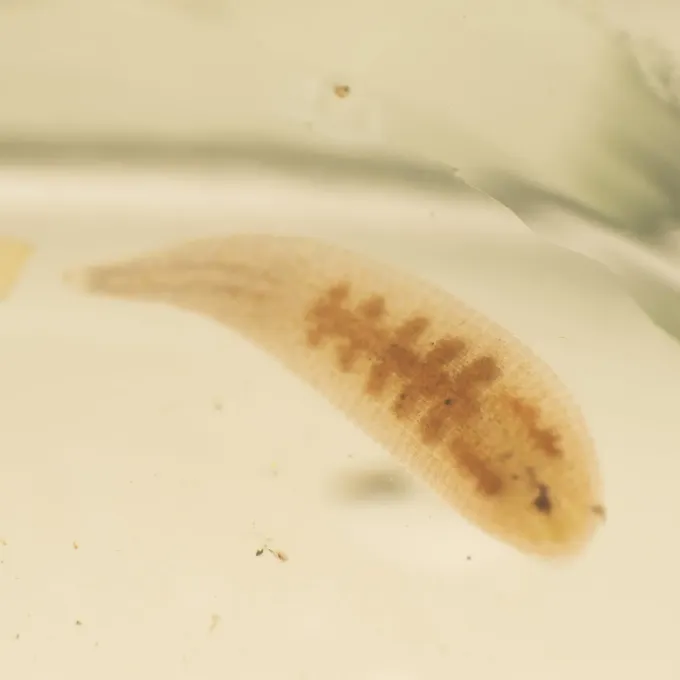
These leeches are characterized by a flattened, often translucent body, ranging from 5 to 15 mm in length. A key taxonomic feature for identification is the presence of a small, hardened chitinous plate known as a nuchal scute located on the dorsal side of the anterior body region.
The life cycle of Helobdella is unique in that they provide parental care; the mother carries eggs and young leeches on her ventral side. This adaptation allows the species to quickly colonize new areas, as the offspring are protected and mobile from an early stage, facilitating rapid population growth.
They typically enter cultivation systems via contaminated water sources, untreated soil substrate, or as hitchhikers on newly introduced aquatic plants. Because they are resilient to varying water temperatures, they are highly adaptable to the controlled environments found in greenhouses.
Detection is often difficult due to their nocturnal habits and camouflage. They tend to hide on the undersides of leaves or within dense root mats. Growers should perform routine inspections of root systems and leaf undersides, particularly when shifting plants between different growing tanks.
What it damages
The damage caused by Helobdella primarily impacts aquatic crops, including decorative water plants, water-grown herbs, and hydroponic lettuce. While they do not consume plant tissue directly, their presence negatively alters the plant's growing environment and health.
As the leeches move across the root zone in search of food (such as small snails or aquatic worms), they can cause mechanical trauma to delicate root hairs and epidermal cells. These wounds often become secondary infection sites for bacteria and fungi, leading to root rot and plant decline.
In ornamental water gardens, Helobdella can devastate beneficial snail populations that usually keep algae in check. This triggers an uncontrolled algal bloom, which coats the leaves of the cultivated plants, blocking light and hindering essential photosynthesis.
High densities of these leeches can also negatively impact the water quality of hydroponic nutrient solutions. The accumulation of their waste products can alter the nutrient balance and shift the pH level, causing stress to the crops and inhibiting normal growth rates.
Furthermore, a heavy infestation can create physical competition for space and oxygen around the roots. This condition frequently manifests as yellowing of leaves (chlorosis) and stunted overall growth, leading to a significant loss in crop quality and marketability.
Control measures
Strict biosecurity is the most effective approach for managing Helobdella. All incoming plants and water sources should undergo a thorough quarantine period to ensure no leeches or egg clutches are introduced into the main production facility.
Mechanical control is highly recommended, starting with the installation of fine-mesh filtration systems in water circulation loops. These filters effectively capture adult leeches and their larvae, preventing them from spreading throughout the hydroponic plumbing system.
Manual removal remains the safest and most reliable control method, particularly for high-value aquatic crops. Regularly inspecting and gently rinsing root systems under clean running water helps to dislodge and remove any attached leeches without damaging the plant itself.
Biological control involves the strategic use of predators that feed on leeches, though this must be balanced to ensure the predators do not harm the plants themselves. Chemical intervention should be avoided as it is often phytotoxic to sensitive water plants.
Maintaining a clean cultivation environment is essential. Regularly sanitizing tools, containers, and tanks between batches minimizes the risk of re-infestation. Providing optimal environmental conditions helps the plants remain robust and better able to withstand minor stressors.
Taxonomy
- Latin name
- Helobdella
- Family
- Glossiphoniidae
- EPPO code
- HELBSP
Discussion
No discussions yet — be the first.