
Glossiphonia
Glossiphonia
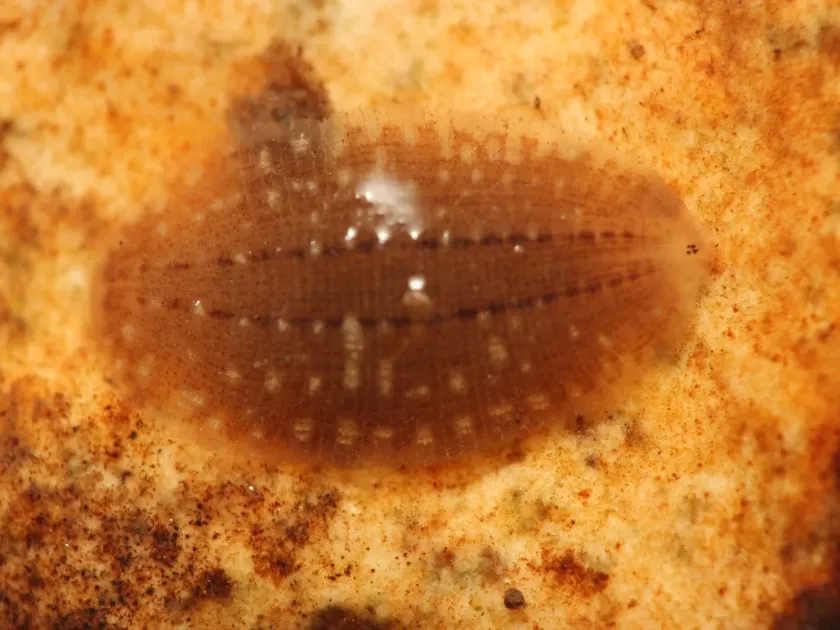
Description
How to identify
Glossiphonia is a genus of freshwater leeches belonging to the order Rhynchobdellida and the family Glossiphoniidae. These annelids are characterized by a flattened, contractile body, enabling them to move across aquatic vegetation and various substrates with ease.
Physically, these organisms possess a proboscis, a specialized organ used for piercing the tissues of hosts to feed on their fluids. They typically exhibit a brownish or greenish coloration, often blending seamlessly with the aquatic plants they inhabit.
In agronomy, Glossiphonia is classified as a nuisance pest for aquatic plants in nurseries, artificial ponds, and aquascapes. Their ability to remain stationary for extended periods allows them to colonize specific areas without being immediately detected by growers.
Their biology is notable for parental care, as adults carry their eggs and even newly hatched young on their ventral surface. This behavior ensures that the next generation remains concentrated in one area, leading to localized but intensive feeding damage.
These leeches are adapted to freshwater environments where aquatic plants provide both the necessary cover and the biological target for their parasitic lifestyle. They thrive in calm waters with high levels of decomposing organic matter.
What it damages
The primary hosts of these pests are ornamental aquatic plants such as water lilies and various submerged vegetation. By piercing plant tissues, the leeches deplete the plant's metabolic resources, causing severe stress and stunted growth.
The damage is twofold: the physical trauma caused by the proboscis and the introduction of pathogens through the wound sites. This often leads to secondary bacterial infections that manifest as rotting spots on leaves and stems.
In high-density aquatic environments, Glossiphonia can severely reduce the decorative quality of aquatic plants. The feeding action causes the tissues to lose their turgor, resulting in deformed foliage and a generally sickly appearance of the plant.
Young, rapidly growing shoots are particularly susceptible to damage due to their softer tissues. Constant feeding pressure from these parasites can eventually cause the death of the affected plant if left unchecked.
The potential for these pests to act as vectors for various plant diseases makes them a significant risk. Even if the immediate damage seems minimal, the long-term impact on the health of the entire aquatic ecosystem can be detrimental.
Signs of infestation
Identification often begins with spotting small, flat, jelly-like organisms attached to the underside of leaves or along the stems. Their inactivity makes them appear as harmless growths, which is why close inspection is required.
Symptoms of infestation include tiny discolored spots or necrotic patches where the proboscis has penetrated the leaf tissue. As the damage progresses, the leaves may curl, show yellowing, or display signs of premature decay.
Another clear sign is the presence of pale, gelatinous egg clutches attached to stems or the underside of leaves. Finding these signifies an active reproductive cycle and warns of a potential population explosion within the pond.
Reduced vigor and lack of new growth are indicators of chronic infestation. If plants show signs of struggle despite having optimal light and nutrient levels, checking for these parasites is essential.
- Presence of small, stationary, leech-like organisms.
- Jelly-like egg clutches on the underside of foliage.
- Pinhole-sized necrotic spots on leaves.
- Curled leaves and sudden loss of structural integrity.
Control measures
Mechanical removal is the most reliable method for controlling Glossiphonia in small systems. Carefully inspecting each plant and physically removing the leeches and their egg clutches is the most effective way to manage the population without chemicals.
Maintaining a clean environment is crucial for prevention. Regularly removing decaying plant matter and cleaning the pond substrate reduces the available food sources and hiding spots for the leeches, discouraging colonization.
Quarantine is highly recommended for all new aquatic plants. Before adding any new flora to your water feature, wash them thoroughly and inspect them for signs of eggs or adult leeches to avoid introducing the pest to your main pond.
Biological control methods include the introduction of compatible fish species that naturally feed on leeches. This method helps maintain a balanced ecosystem where the pest population is naturally kept in check by predators.
If chemical intervention is deemed necessary, only products specifically labeled for use in aquatic environments should be used. Always follow instructions precisely to avoid harming the plants or other beneficial inhabitants of the water ecosystem.
Taxonomy
- Latin name
- Glossiphonia
- Family
- Glossiphoniidae
- EPPO code
- GLOISP
Discussion
No discussions yet — be the first.