
Glossiphonia complanata
Glossiphonia complanata
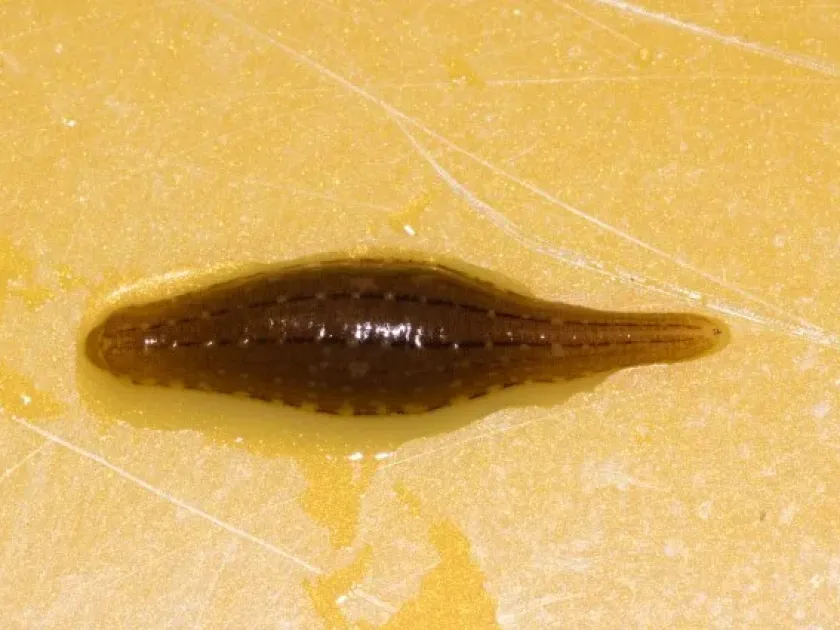
Description
How to identify
Glossiphonia complanata is a species of jawless leeches belonging to the family Glossiphoniidae. Adults typically reach lengths of 20–30 mm and are characterized by a flattened, leaf-like body shape with a brownish or olive hue.
A key morphological feature of this species is the presence of three pairs of eyes arranged in parallel rows on the anterior end of the body, which aids in their navigation within aquatic environments.
These leeches are relatively sedentary, frequently adhering to hard surfaces such as rocks, submerged wood, or the underside of aquatic plant leaves while waiting for prey to pass by.
The reproductive strategy is highly specialized; the parent carries its eggs and eventually the hatched young on its ventral surface, ensuring a high survival rate for the offspring in varied conditions.
They are widely distributed in freshwater ecosystems across the Northern Hemisphere, thriving in habitats where their primary hosts, various species of snails, are abundant.
What it damages
Glossiphonia complanata is a specialized predator of freshwater gastropods, including common species such as pond snails and ramshorn snails often found in aquaculture or ornamental tanks.
Using a muscular, extensible proboscis, the leech pierces the soft tissue of the mollusk to feed on its internal fluids and tissues, which eventually leads to the debilitation or death of the snail.
In high-density populations, these leeches can cause significant mortality rates in mollusk colonies, representing a serious economic threat to commercial snail farming operations.
Beyond direct predation, the presence of leeches can introduce pathogens or secondary infections into a colony, weakening even those individuals that have not yet been directly attacked.
The damage is most severe in controlled environments where the lack of natural predators allows the leech population to grow unchecked, leading to total colony decline.
Signs of infestation
The most visible sign of an infestation is the presence of the adult leeches attached to the shells or exposed foot of the snails as they move along surfaces within the water body.
Observing the undersides of aquatic plants or submerged debris often reveals egg clusters or juvenile leeches guarded by the parent, which is a definitive indicator of an established population.
An unexplained increase in snail mortality, combined with the presence of intact but empty shells, serves as a clear warning sign of intense predation by these leeches.
Affected snails often display lethargic behavior, reduced movement, and a diminished appetite, making them easier targets for further attacks by the leech colony.
Monitoring the growth rates of snail populations is crucial; a sudden stagnation in the number of juvenile snails is often linked to the predatory activity of G. complanata.
Control measures
Manual removal of adult leeches and their egg clutches using forceps during routine maintenance is the most practical and eco-friendly control method for small-scale systems.
Implementing strict quarantine protocols for any new plants, substrates, or mollusks introduced into the main tank or pond is essential to prevent the entry of this pest.
Using specialized traps that leverage the leech's attraction to food sources can significantly lower the adult population without the need for toxic chemicals.
Maintaining high water quality and removing excessive organic debris reduces the available hiding spots for leeches, making the environment less favorable for their development.
Chemical treatments should be approached with extreme caution, as the chemicals effective against leeches are often highly toxic to the mollusks themselves, necessitating a focus on mechanical and biological management strategies.
Taxonomy
- Latin name
- Glossiphonia complanata
- Family
- Glossiphoniidae
- EPPO code
- GLOICO
Discussion
No discussions yet — be the first.