
Abalone
Haliotis lamellosa
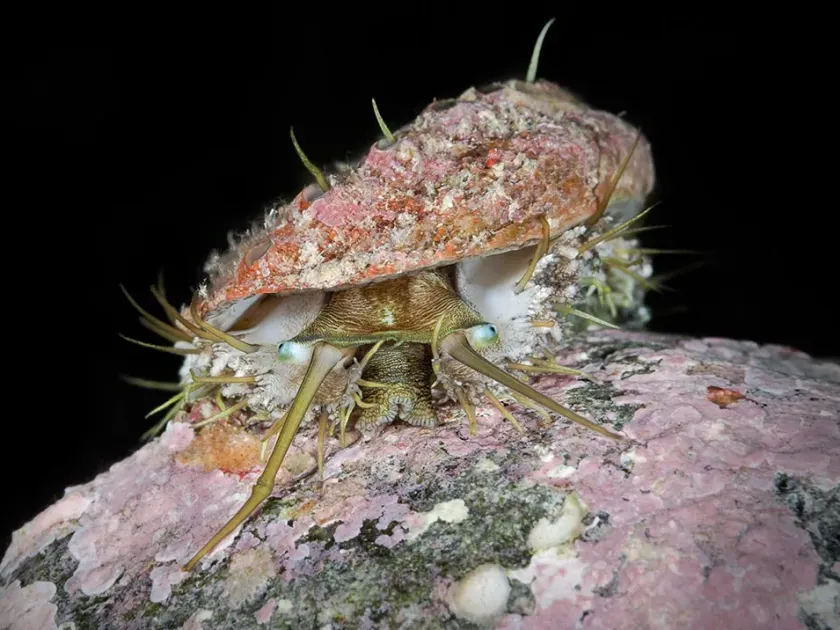
Description
How to identify
Haliotis lamellosa is a species of marine gastropod mollusk belonging to the family Haliotidae, commonly known as abalone. In biological taxonomy, it is placed within the order Archaeogastropoda.
The shell of this mollusk is characterized by a flattened, oval shape featuring a distinctive row of respiratory holes along the margin. The interior of the shell displays a vibrant, iridescent nacre layer.
The organism has a well-developed, muscular foot used for firm attachment to substrates or plant surfaces. Its body color typically ranges from reddish-brown to grey, providing effective camouflage against rocky surroundings.
These mollusks favor specific salinity and temperature ranges, making them thermophilic species that thrive in shallow coastal waters with rocky or firm bottoms.
In their natural habitat, they are primarily grazers that consume microalgae and organic debris, though they can become problematic pests in managed aquaculture settings.
What it damages
The primary economic damage caused by Haliotis lamellosa occurs in seaweed mariculture operations, where the mollusks graze on the biomass of cultivated species.
Feeding damage involves consuming young shoots and leaf margins, which significantly stunts the growth of the crops and reduces their overall commercial quality and market value.
The physical destruction of leaf structures can lead to premature senescence and mortality of the affected seaweed, resulting in sparse or degraded plantation stands.
Injuries caused by the mollusk's grazing serve as entry points for various bacterial and fungal pathogens, potentially triggering secondary infections that spread across the plantation.
High densities of these pests can destroy the infrastructure of an aquaculture farm by clogging or damaging the mounting systems and carriers used for growing marine crops.
When it appears
The activity level of Haliotis lamellosa is heavily influenced by seasonal water temperature variations, with peak metabolic and feeding rates occurring during warmer months.
Reproduction often aligns with the primary growing season of marine plants, ensuring that larvae and juveniles have access to ample food sources immediately upon settlement.
As water temperatures drop during winter, the mollusks enter a state of reduced activity, seeking sheltered crevices to survive the less favorable environmental conditions.
Effective pest monitoring should be intensified during the transition from winter to spring, when individuals become mobile and begin migrating toward available food sources.
Seasonal dynamics are also affected by regional hydrodynamic conditions, such as currents and tidal patterns, which influence the distribution and density of the pest population.
Signs of infestation
A primary indicator of infestation is the presence of characteristic semi-circular grazing marks along the edges of seaweed blades, which indicate feeding by adult abalones.
Direct sightings of the mollusks themselves, often found clustered on mounting ropes or the undersides of leaves, confirm the presence of an active infestation.
The presence of mucus trails on the surface of plants provides clear evidence of recent mollusk movement, even if the pests have sought refuge in hiding spots.
Local discoloration, necrosis, and the presence of rotting patches on plant tissues are often associated with sustained grazing pressure from these gastropods.
An unexpected reduction in seaweed density or thinning of the crop in specific zones, despite optimal growing conditions, suggests a hidden population of these grazers.
Control measures
Manual removal of mollusks remains the most reliable control method, particularly for smaller cultivation areas where intensive inspection is feasible.
Installation of physical barriers, such as fine-mesh screening, can effectively prevent the migration of juvenile mollusks onto protected seaweed culture plots.
Biological control strategies involving the introduction of natural predators, such as crabs, may be considered in closed or semi-closed aquaculture systems to maintain pest populations below economic thresholds.
Regular maintenance and cleaning of cultivation infrastructure help to remove habitat sites, reducing the likelihood of colonization by the pest.
Advancements in underwater monitoring technologies, including sensor arrays and cameras, allow farmers to detect early signs of infestation and implement rapid response measures.
Taxonomy
- Latin name
- Haliotis lamellosa
- Order
- Molluscs
- Family
- Haliotidae
- EPPO code
- HLTSLA
Discussion
No discussions yet — be the first.