
Haliotis
Haliotis
Description
How to identify
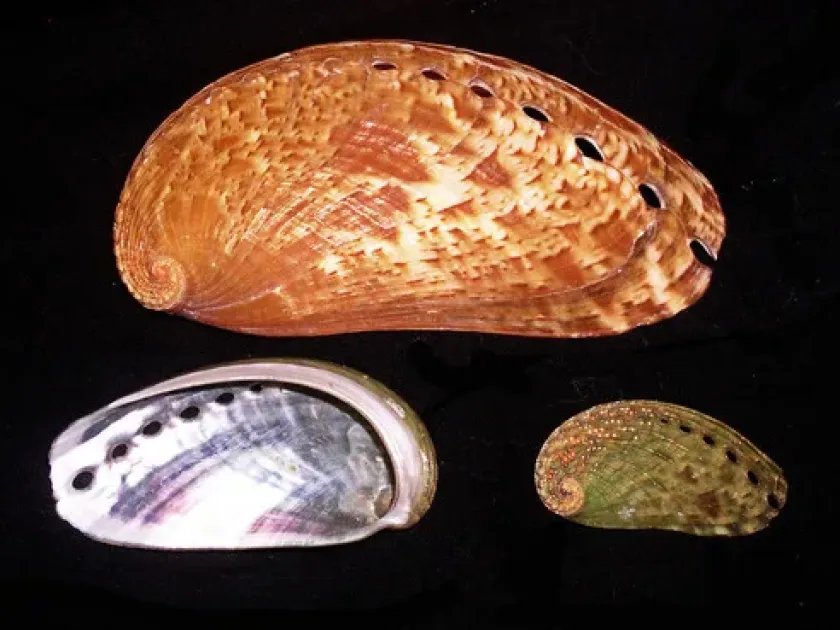
Haliotis, commonly known as abalone, belongs to the family Haliotidae within the class Gastropoda. These are exclusively marine mollusks characterized by their ear-shaped, spiraled shells with a series of small holes.
Biologically, Haliotis species are strictly adapted to saline environments, living on rocky seafloors. They feed on macroalgae and cannot survive or function in terrestrial agricultural ecosystems.
The organism is widely studied in marine biology and aquaculture as a high-value seafood source, but it holds no classification as a plant pest in agricultural science.
The confusion between Haliotis and agricultural pests likely stems from the term "snail" or "slug," which applies to land-based gastropods that do indeed damage crops.
It is crucial to recognize that Haliotis lacks the anatomy and physiological requirements to interact with or damage land-based plants, including vegetables, grains, or fruit trees.
What it damages
Haliotis poses no threat to agriculture. Their diet consists purely of marine algae and seaweed. They have no interest in terrestrial vegetation and are biologically incapable of consuming it.
There are no reported cases of Haliotis damaging crops, greenhouses, or garden plants. They are strictly confined to aquatic habitats and do not exhibit the behavior of terrestrial plant-eating pests.
The agricultural industry does not consider Haliotis a factor in crop loss, yield reduction, or plant disease transmission.
Any damage seen on agricultural crops should be attributed to common land-based gastropods, such as garden snails (Helicidae) or slugs (Arionidae), rather than marine abalone.
Farmers should focus their resources on managing known terrestrial pests, as identifying Haliotis as a threat would lead to ineffective and unnecessary control measures.
Control measures
No control measures exist or are required for Haliotis in an agricultural context. They are not pests of crops, and attempting to eradicate them on land is biologically impossible and irrelevant.
For genuine land-based mollusk problems, growers should employ cultural practices such as removing leaf litter and debris where pests hide during the day.
Biological control, such as encouraging natural predators like ground beetles, thrushes, or toads, is an effective strategy for managing garden snails and slugs.
Chemical control using molluscicides, such as iron phosphate-based baits, should be used specifically for identified land pests and only when damage thresholds are exceeded.
Maintain proper hygiene in the field and ensure clear identification of any pest before implementing protective actions to ensure sustainable and accurate agricultural management.
Taxonomy
- Latin name
- Haliotis
- Order
- Molluscs
- Family
- Haliotidae
- EPPO code
- HLTSSP
Discussion
No discussions yet — be the first.