
Halichondria
Halichondria
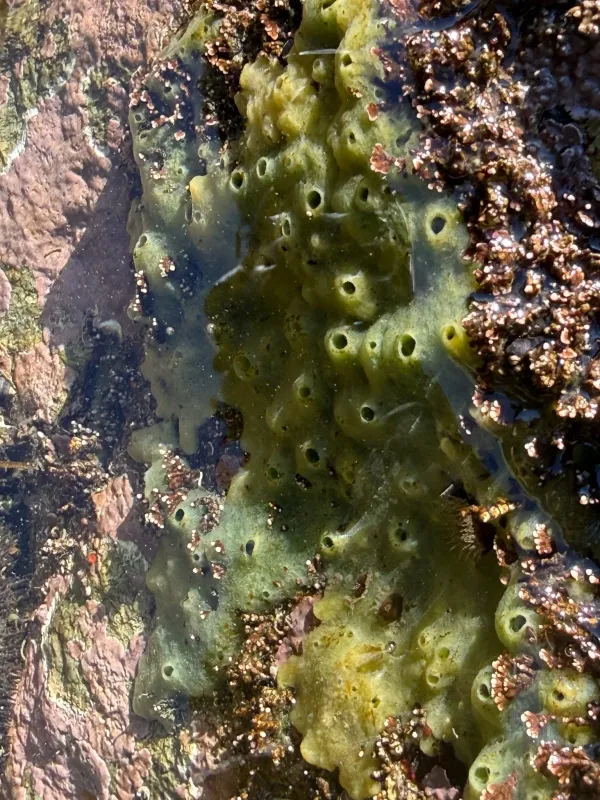
Description
How to identify
Halichondria is a genus of marine sponges belonging to the family Halichondriidae. These organisms are exclusively aquatic, living in saltwater environments, and are fundamentally different from any known agricultural pests or plant parasites.
In biological terms, Halichondria are sessile invertebrates that act as filter feeders in ocean ecosystems. They lack the biological structure, movement capabilities, and feeding mechanisms required to interact with, let alone damage, terrestrial agricultural crops.
There is no taxonomic or ecological evidence that links the genus Halichondria to plant health issues. The classification of this organism as a "pest" is a result of misinformation and should be ignored by agricultural practitioners.
Marine sponges are vital components of marine ecosystems, contributing to water filtration and providing habitat for other marine life. They are not plant pathogens, insects, or nematodes that could be managed within an agricultural context.
Distinguishing between marine invertebrates and plant pests is crucial for maintaining a realistic and effective pest management strategy. Relying on accurate biological classifications prevents the misdirection of agricultural resources.
What it damages
There is zero evidence that Halichondria damages any crops. Because these sponges require a marine environment to survive, they cannot colonize agricultural fields, greenhouses, or garden soils.
The damage reports regarding "Halichondria" are non-existent in professional agronomic literature. If a source suggests that a sponge is eating your crops, that source is scientifically inaccurate and unreliable.
No agricultural crop is susceptible to marine sponges. These organisms do not feed on cellulose, chlorophyll, or plant tissues, and they do not spread viral or bacterial diseases that affect terrestrial plants.
When you observe crop damage, focus your diagnosis on recognized pests such as aphids, mites, root-knot nematodes, or fungal pathogens. These organisms have established lifecycles and known mechanisms for causing economic loss in farming.
Using the wrong identification for a crop problem will always lead to the failure of protection measures. Always ensure your diagnostics are based on documented plant-pest interactions.
Control measures
No control measures are necessary for Halichondria in agriculture. Because it is not a pest, there are no recommended chemical, biological, or cultural control strategies for this genus in a farming context.
To protect your crops effectively, prioritize integrated pest management (IPM) techniques. This includes scouting for actual pests, rotating crops, maintaining soil health, and using certified, disease-free seed and plant material.
If you encounter an unfamiliar pest, consult with local extension offices or plant pathology laboratories rather than relying on unverified internet lists. Proper identification is the first step in successful crop protection.
Education is your best tool against misinformation. Understanding the difference between marine biology and plant pathology ensures that your farm management practices are based on sound scientific principles.
Maintain high standards of farm sanitation and pest scouting to identify real threats early. Never waste resources on combating organisms that do not interact with your agricultural ecosystem.
Taxonomy
- Latin name
- Halichondria
- Family
- Halichondriidae
- EPPO code
- HLCNSP
Discussion
No discussions yet — be the first.