
Graminella nigrifrons
Graminella nigrifrons
Description
How to identify
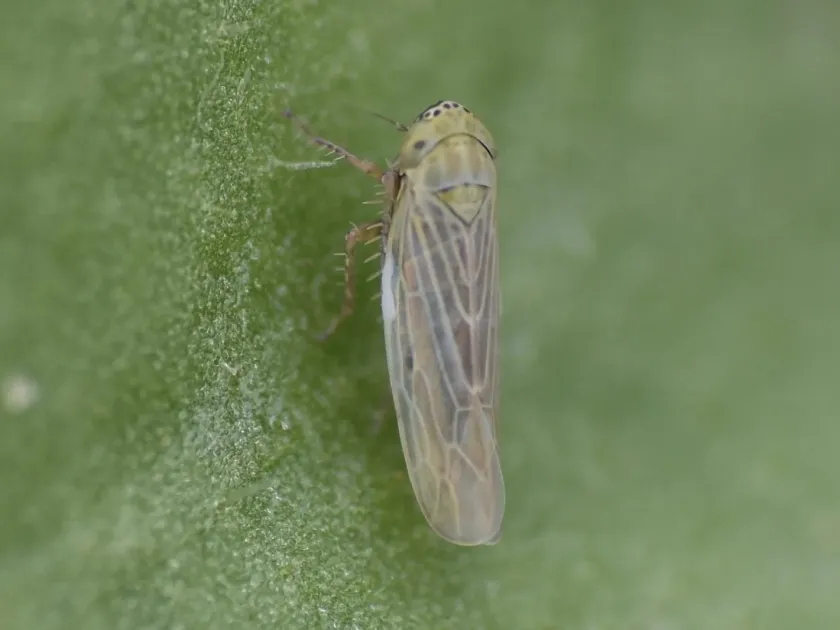
Graminella nigrifrons, commonly known as the black-faced leafhopper, is a small insect belonging to the order Hemiptera and the family Cicadellidae. Adults typically measure between 3 to 4 millimeters in length.
The insect displays a straw-yellow to light brown coloration. The common name refers to the distinctive black markings located on the frons of the head, which serve as a key diagnostic feature.
Its body is streamlined and optimized for jumping, with hind legs equipped with robust spines. This anatomy allows the leafhopper to move rapidly through dense grassy vegetation.
In field conditions, these insects are commonly found feeding on the undersides of leaves or near the base of the stems of their host plants.
Nymphs resemble the adults in form but are smaller in size and lack fully developed wings. They undergo several molting stages before reaching the reproductive adult phase.
What it damages
This leafhopper species is recognized as a significant agricultural pest, particularly known for its impact on maize crops across its distribution range.
Beyond maize, Graminella nigrifrons feeds on a wide range of wild and cultivated grasses, including sorghum, wheat, and oats, which helps maintain high population levels.
The primary damage caused by this insect is not direct feeding, but its role as a vector for various plant pathogens, most notably the corn stunt spiroplasma and associated viruses.
When the leafhopper feeds on an infected plant, it acquires the pathogen, which is then transmitted to healthy plants during subsequent feeding events.
Infected crops exhibit symptoms of stunted growth, chlorosis, and severe yield reduction, often rendering the plants sterile or non-productive.
When it appears
The activity of the black-faced leafhopper is largely dictated by environmental temperatures and humidity levels, with warm weather favoring rapid reproduction.
The species typically overwinters in the adult stage within crop residues, field margins, or amongst perennial grasses that remain green throughout the colder months.
As spring temperatures rise, overwintering populations become active and begin colonizing young cereal seedlings, starting the seasonal infestation cycle.
Multiple generations can occur within a single growing season in warmer climates, leading to a persistent presence of the pest until harvest.
Mass migration into corn fields often coincides with the drying up of wild grasses in mid-summer, leading to a sharp increase in the pest density on crops.
Signs of infestation
A primary indicator of a leafhopper infestation is the sight of the insects jumping rapidly when the canopy is disturbed or inspected.
Visual symptoms on plants include chlorotic spots, yellowing stripes along the veins, and a general loss of vigor, which are common responses to sap-sucking insects.
Plants infected with pathogens transmitted by the leafhopper show classic symptoms of "stunting," including shortened internodes and bunched, deformed foliage.
Severe infestations lead to stunted ears and poor kernel development, which are reliable field indicators for growers to assess the impact of the vector.
- Yellowing and chlorotic leaves
- Reduced plant height (stunting)
- Deformed or bunched growth patterns
- Presence of small, jumping insects on the plant
Control measures
Management of Graminella nigrifrons requires an integrated approach that focuses on both the insect population and the reduction of disease reservoirs.
Crucial cultural practices include the management of grassy weeds around field borders, as these act as primary refuges for both the leafhoppers and the viruses they transmit.
Adjusting planting dates to avoid synchronizing the most susceptible stages of crop development with peak leafhopper migration can significantly mitigate damage.
When monitoring indicates that the economic threshold is exceeded, the application of systemic insecticides is often necessary to suppress the vector population.
Using yellow sticky traps is an effective monitoring method to detect early arrivals and evaluate the efficiency of the applied control measures.
Taxonomy
- Latin name
- Graminella nigrifrons
- Order
- Hemiptera (bugs, aphids, leafhoppers)
- Family
- Cicadellidae
- EPPO code
- GRAMNI
Discussion
No discussions yet — be the first.