
Goeldichironomus
Goeldichironomus
Description
How to identify
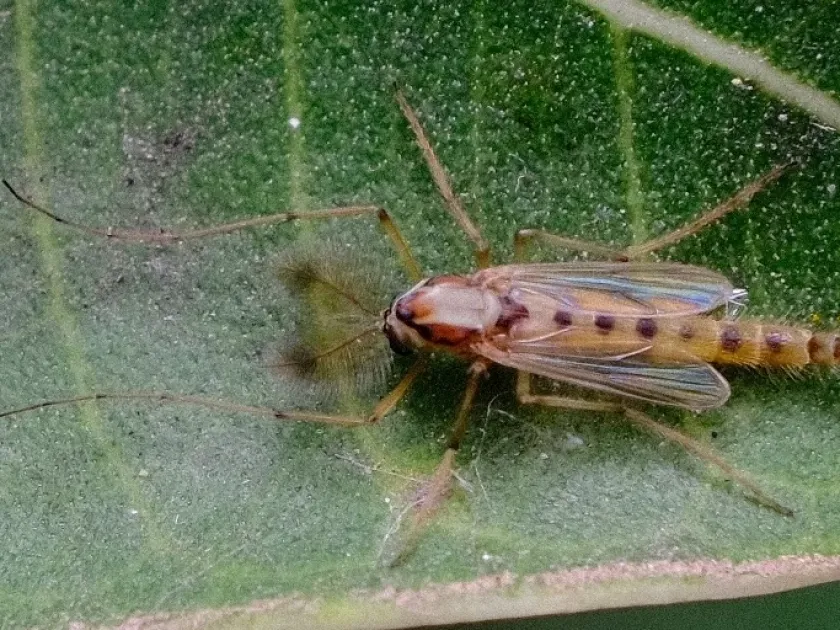
Goeldichironomus is a genus of chironomid midges, commonly known as non-biting midges. They belong to the order Diptera and are closely related to other aquatic insect groups.
The adult stage consists of small, fragile flies that do not feed and live only for a short period to mate and lay eggs. They are often attracted to artificial light at night.
Larvae of Goeldichironomus are characterized by their worm-like bodies and a distinct reddish coloration due to the presence of hemoglobin, which helps them breathe in low-oxygen environments.
These larvae typically inhabit the sediment of water bodies, wet soil, or moist substrates in greenhouses, where they build tubes or burrows for protection.
Eggs are deposited by females in gelatinous strings or masses, usually attached to submerged surfaces or moist debris, ensuring the next generation is well-protected.
What it damages
The primary damage is caused by larvae feeding on plant tissues, specifically roots and delicate stem bases when plants are grown in saturated soils or hydroponic systems.
In rice cultivation, Goeldichironomus larvae can be significant pests, attacking seedling roots and preventing proper establishment of the crop in flooded fields.
In ornamental plant nurseries, the larvae thrive in overwatered pots, where they damage the root systems of young plants, leading to severe stunted growth.
Feeding wounds created by the larvae serve as entry points for various soil-borne pathogens, including bacteria and fungi, which cause root rot and systemic disease.
Large populations in irrigation systems can interfere with water flow and damage mechanical equipment, causing indirect economic losses to the farm operation.
When it appears
The seasonal activity of Goeldichironomus is highly dependent on ambient temperature, with peak population densities occurring during the warmer summer months.
In climate-controlled greenhouse environments, the pest can remain active throughout the year, cycling through generations as long as moisture is consistently present.
Outside, the population usually begins to build up in late spring as water temperatures rise, persisting until the first frosts of autumn trigger overwintering stages.
The entire life cycle, from egg to adult, can be completed in as little as 15 to 30 days depending on the thermal conditions and available organic food source.
Overwintering occurs primarily in the larval stage, where the insects remain dormant within the mud or deep within the moist root substrate until conditions improve.
Signs of infestation
Sudden wilting of plants despite adequate irrigation is a classic sign that larval feeding has disrupted the plant's ability to absorb water and nutrients.
Visible feeding damage on roots, including irregular tunnels or stripped root bark, is a clear indication that chironomid larvae are present in the growing medium.
The presence of adults around lights, windows, or water surfaces during the evening suggests that eggs are being laid in the immediate vicinity of the crops.
Finding small, gelatinous masses or ribbons attached to the side of pots, trays, or irrigation tubes is a warning sign of an impending larval infestation.
Yellowing of leaves, leaf drop, and an overall lack of vigor in seedlings often indicate that the root zone is being compromised by larval activity.
Control measures
Water management is the most effective preventative measure; ensuring good drainage and avoiding stagnant water inhibits larval survival in the substrate.
In hydroponic setups, maintaining high levels of dissolved oxygen and ensuring regular circulation of the nutrient solution can deter larval colonization.
Biological control using microbial insecticides based on specific bacterial strains is highly effective and poses minimal risk to the environment or the crops.
Sanitation practices, such as sterilizing pots and tools between planting cycles, prevent the carry-over of larvae from one season to the next.
When infestation levels exceed economic thresholds, specific insect growth regulators or systemic insecticides may be applied, following local regulations.
Taxonomy
- Latin name
- Goeldichironomus
- Order
- Diptera (flies)
- Family
- Chironomidae
- EPPO code
- GOELSP
Discussion
No discussions yet — be the first.