
Glyptotendipes pallens
Glyptotendipes pallens
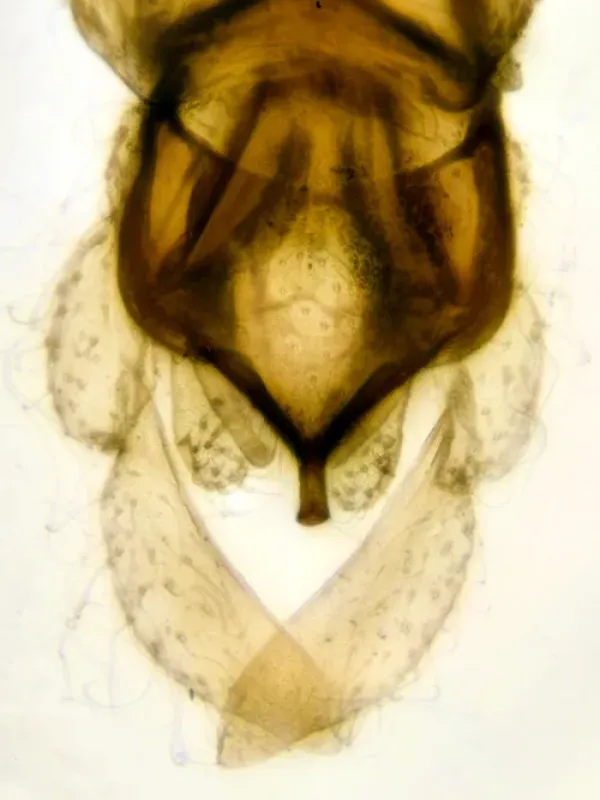
Description
How to identify
Glyptotendipes pallens is a species of non-biting midge belonging to the family Chironomidae. While the adults are harmless insects, the larvae are recognized as pests in aquatic agriculture, particularly in rice cultivation.
The larvae are characterized by a reddish hue, often called bloodworms, due to hemoglobin-like proteins in their hemolymph. This allows them to thrive in low-oxygen environments such as bottom sediments.
They possess a distinct, well-developed head capsule and a soft, segmented body. They construct silken, mud-covered tubes on the substrate where they live and feed during their larval stages.
The adult stage is a short-lived insect whose sole purpose is reproduction. They are typically found hovering in swarms near water bodies, especially during the breeding season in early spring.
Accurate identification of this species often requires professional morphological analysis of the larval mouthparts to differentiate it from other non-pest chironomid species found in the same habitat.
What it damages
The primary damage caused by Glyptotendipes pallens occurs during the early establishment phase of rice seedlings. Larvae feed on the roots and germinating seeds directly within the flooded soil.
This feeding activity compromises the integrity of the root system, which is essential for the seedling's survival. Plants affected by larval feeding often show signs of nutrient deficiency, chlorosis, and reduced vigor.
Furthermore, the physical damage created by the larvae provides an entry point for various secondary pathogens. Bacterial and fungal infections can easily colonize the damaged roots, leading to plant decay.
High infestation levels in a rice paddy can cause significant stand loss. If the density of larvae is high, entire sections of the crop may need to be re-seeded, incurring additional costs for the farmer.
Damage is most severe when rice is direct-seeded into flooded fields. In these conditions, the larvae have immediate access to the vulnerable seeds and emerging radicles of the rice crop.
When it appears
The seasonal activity of Glyptotendipes pallens is closely linked to water temperature. As soon as the water temperature in irrigation systems reaches about 10–12°C, the lifecycle begins.
Multiple generations can occur within a single growing season. The developmental speed is temperature-dependent; warmer temperatures lead to a faster turnover, increasing the pressure on the rice crop.
The peak period of concern for agronomists is the first few weeks after field flooding. This is the critical window where the larvae are most active and the rice seedlings are most susceptible.
As temperatures drop toward the end of the season, the larvae enter a period of relative dormancy, overwintering in the deeper layers of the substrate until conditions improve the following spring.
Monitoring the adult flight activity via light traps helps agronomists predict the upcoming emergence of larvae. This foresight is crucial for timing preventive measures effectively.
Signs of infestation
Signs of infestation include the presence of patchy or thin areas in the rice field. Plants in these areas appear stunted or yellow and can be easily pulled from the soil, confirming root damage.
Looking closely at the soil surface, one can often find small mud tubes, which are the larval dwellings. A large number of these tubes across the field is a strong indicator of a high population density.
Soil samples taken from the affected patches will reveal the larvae if washed. The presence of numerous reddish larvae in the samples confirms the species' activity in the field.
Massive swarms of adult midges in the evening are a sign of successful reproduction and potential future larval outbreaks in the aquatic system nearby.
Visual inspection of seeds in damaged areas might reveal nibbled tissue. If seeds are surrounded by mud particles and show signs of physical grazing, it is likely the work of Glyptotendipes pallens.
Control measures
Management of Glyptotendipes pallens relies on an integrated approach. The most effective method is water management, specifically periodic draining of fields to disrupt the larval development cycle.
Chemical control is applied when the pest density exceeds economic thresholds. Pesticides are carefully introduced into the irrigation water to ensure reach within the soil and sediment.
Biological control options, such as microbial larvicides, are becoming more common. These are designed to target the larvae specifically while preserving the balance of the aquatic ecosystem.
Proper field preparation before the season, such as deep plowing and leveling, destroys the larval habitats and significantly reduces the overwintering population density.
- Controlled drainage of paddies before seeding.
- Targeted application of approved insecticides.
- Use of microbial bio-controls for sustainable management.
- Constant monitoring using adult flight traps.
Taxonomy
- Latin name
- Glyptotendipes pallens
- Order
- Diptera (flies)
- Family
- Chironomidae
- EPPO code
- GLYEPA
Discussion
No discussions yet — be the first.