
Pistachio root aphid
Geoica utricularia
Description
How to identify
The pistachio root aphid (Geoica utricularia) is a member of the family Aphididae, known for its complex life cycle and host alternation between trees and grasses.
This insect has a delicate body structure, typically pale yellow or light green in color, which is characteristic of many aphids that feed on plant saps.
As a hemipteran insect, it possesses a specialized piercing-sucking mouthpart, which it uses to extract nutrients from the phloem of its host plants.
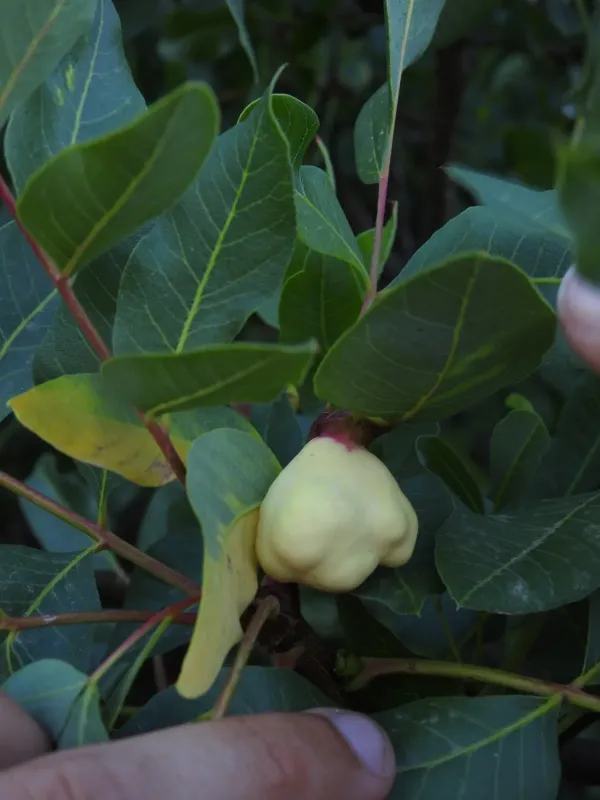
The species is distinguished by its ability to induce the formation of galls on pistachio leaves, a fascinating but damaging biological adaptation.
Its taxonomy places it within the Aphididae family, emphasizing its high reproductive potential and adaptability to different environmental conditions.
What it damages
On pistachio trees, the primary damage is the creation of leaf galls during the spring, which interferes with the tree's photosynthesis and overall health.
During the summer months, the aphid shifts its focus to the root systems of secondary host plants, primarily various species of grasses.
Feeding on roots causes the secondary hosts to suffer from nutrient deficiency, leading to stunted growth, wilting, and reduced plant vigor.
In pistachio orchards, high infestations of this aphid can significantly stress the trees, potentially reducing nut yield and quality over the long term.
The damage caused by these aphids often opens entry points for secondary bacterial and fungal infections, further harming the plant's health.
When it appears
The life cycle begins in early spring, when eggs overwintering on the bark of pistachio trees hatch and colonize the developing foliage.
Following the development of the gall-dwelling generations, winged females migrate to secondary hosts to establish root-feeding populations.
In autumn, a reverse migration occurs, with the aphids returning to the pistachio trees to mate and lay overwintering eggs.
The population reaches its peak during the mid-summer period when conditions in the soil are optimal for the growth and reproduction of root aphids.
Winter survival is ensured by the egg stage, which remains dormant in the crevices of the pistachio tree bark until the following spring season.
Signs of infestation
The presence of bulbous or bladder-like galls on pistachio leaves is the most reliable visual indicator of early-season infestation.
When inspecting the soil around host grasses, you may find small, whitish aphids covered in waxy secretions located near the roots.
The presence of ants is a common secondary sign, as they tend to the aphids to feed on the honeydew they secrete during their lifecycle.
General yellowing or chlorosis of the grass in the orchard is often a symptom of the aphids draining the vital fluids from the root system.
- Bulbous leaf galls on pistachio trees.
- White waxy colonies on grass roots.
- Increased ant activity around tree bases.
- Stunted plant growth and premature wilting.
Control measures
Systemic insecticides applied to the pistachio tree canopy in early spring are effective in controlling the initial gall-forming generation.
Maintaining a weed-free orchard floor is a critical cultural practice, as it eliminates the secondary hosts necessary for the aphid's summer survival.
Biological control, utilizing beneficial insects like lady beetles and lacewings, helps to naturally regulate the population levels of the aphid.
Regular orchard monitoring and the use of sticky traps can assist growers in identifying infestation trends and timing their protective interventions.
Promoting overall tree vigor through proper irrigation and nutrient management helps the pistachio trees withstand aphid pressure more effectively.
Taxonomy
- Latin name
- Geoica utricularia
- Order
- Hemiptera (bugs, aphids, leafhoppers)
- Family
- Aphididae
- EPPO code
- GEOIUT
Discussion
No discussions yet — be the first.