
Cereal root aphid
Geoica setulosa
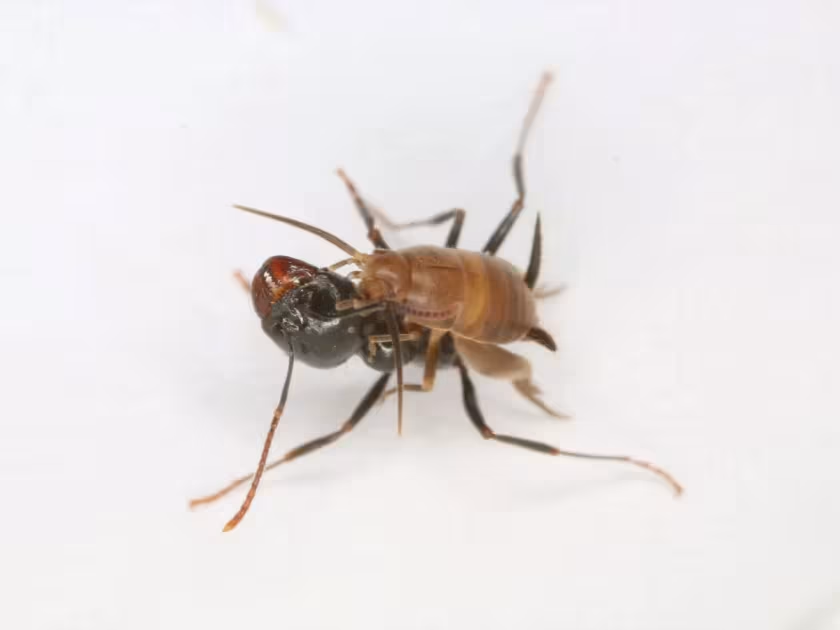
Description
How to identify
The cereal root aphid (Geoica setulosa) is a specialized soil-dwelling insect belonging to the family Pemphigidae. Unlike foliage-feeding aphids, this species completes its entire life cycle underground on the root systems of host plants.
The insects are small and oval-shaped, typically exhibiting a whitish or pale yellowish color. Their bodies are coated with a waxy secretion that protects them from excessive moisture in the soil environment.
The morphology of these aphids includes reduced siphons and antennae adapted for navigating through soil cracks and root networks. These characteristics make them well-suited for a cryptic, subterranean lifestyle.
A distinctive feature of Geoica setulosa is its obligate mutualism with ants. Ant colonies often transport these aphids to fresh roots, ensuring the pest's survival and constant migration between plants.
Identification in the field requires specialized knowledge, as the aphids are often mistaken for fungal growth or soil particles due to their waxy coating and sedentary behavior.
What it damages
This pest primarily attacks the roots of cereal crops, including wheat, barley, and rye. By feeding on the root sap, the aphids extract essential nutrients that the plant requires for development.
As the aphids multiply, they form dense colonies around the root crowns. This feeding activity disrupts the plant’s ability to uptake water and minerals from the soil, leading to significant physiological stress.
Symptoms of infestation include stunted growth, yellowing of the lower leaves, and overall poor plant health. In severe cases, the plants exhibit symptoms similar to drought stress even when soil moisture is adequate.
The damage caused to the root tissues often creates entry points for soil-borne pathogens. This secondary infection by fungi or bacteria frequently leads to root rot, further weakening the crop.
Field losses are most severe when infestation occurs during the seedling or tillering stages, as the plant lacks the root mass necessary to compensate for the continuous nutrient drain.
When it appears
The life cycle of Geoica setulosa is strictly tied to soil temperatures. They overwinter as eggs or late-stage nymphs in the soil, often associated with wild grasses or volunteer cereal plants.
In spring, as soil temperatures rise, the aphids become active. They begin feeding on the roots of emerging winter or spring cereals, rapidly building their populations through asexual reproduction.
The peak of their activity usually coincides with the spring growth spurt of cereal crops. During this time, the aphids are most densely clustered around the crown nodes and primary roots.
As summer temperatures increase and the upper soil profile dries out, the aphids may move deeper into the soil. Some individuals develop wings to facilitate dispersal to other host plants.
With the return of autumn rainfall, the population redistributes in the upper soil layers, preparing to survive the winter on host grasses or the roots of newly sown winter crops.
Signs of infestation
The most visible sign of an infestation is the appearance of patches of yellowed or stunted plants within the field. These patches often grow in size as ants continue to relocate the aphid colonies.
Upon closer inspection, particularly by digging up the roots, one can observe white, fuzzy-looking clusters of aphids adhering to the root system. This waxy covering is a primary diagnostic feature.
Increased ant activity around the base of the stems is a significant indicator of the presence of root aphids. Ants actively guard and nurture these aphids, protecting them from predators.
Plants affected by the cereal root aphid can be easily pulled from the ground because their root systems are often severely decayed. The roots may appear brittle, dark, and lacking fine root hairs.
Poor tillering and delayed maturation of the crop in specific areas are often linked to early-season root aphid pressure, which should be investigated by farmers during crop monitoring.
Control measures
Effective management begins with aggressive weed control. Eliminating wild grasses and volunteer cereals removes the primary bridges that allow the aphid population to persist between crop seasons.
Crop rotation remains the most effective non-chemical control measure. Rotating cereals with non-host crops, such as legumes or oilseeds, disrupts the aphids' life cycle and reduces their numbers in the soil.
Deep autumn plowing is a beneficial cultural practice. By disturbing the soil structure and destroying root networks, plowing causes high mortality among overwintering aphid populations.
For high-risk fields, the use of insecticidal seed treatments provides crucial protection during the early establishment phase, significantly reducing the impact of root aphids on yield.
- Regular monitoring of fields for patchiness and ant activity.
- Optimizing fertilizer applications to encourage rapid root growth.
- Avoiding continuous cereal cropping in high-infestation zones.
- Utilizing biological controls, such as entomopathogenic fungi, where applicable.
Taxonomy
- Latin name
- Geoica setulosa
- Order
- Hemiptera (bugs, aphids, leafhoppers)
- Family
- Aphididae
- EPPO code
- GEOIST
Discussion
No discussions yet — be the first.