
Forda
Forda
Description
How to identify
Forda is a genus of insects belonging to the family Pemphigidae, a group of aphids known for their complex biological cycles and specialized habitat requirements.
These aphids are small insects often covered with a white, waxy secretion that protects them from desiccation and environmental stress while they inhabit galls or soil environments.
The genus is characterized by a multi-host lifecycle, where the insects transition between primary woody hosts, such as pistachios, and secondary herbaceous hosts, mainly grasses.
Winged morphs are highly specialized for dispersal, allowing them to bridge the gap between different ecological niches during their seasonal development stages.
Identification at the species level is complex and often requires detailed examination of morphological structures, especially for the immature stages found on roots.
What it damages
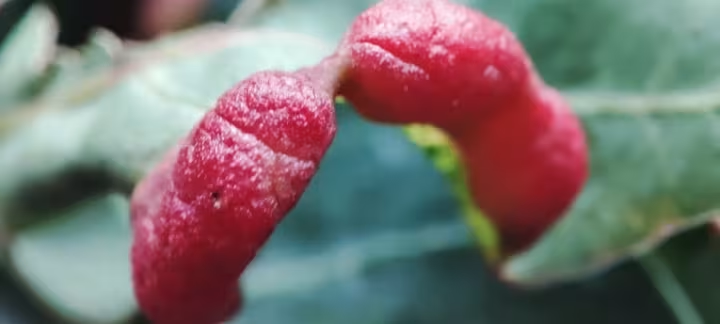
The primary economic damage caused by Forda species occurs on pistachio trees, where they induce the formation of galls on the foliage, significantly affecting tree vigor.
On their secondary hosts, typically grasses, these aphids feed on root systems, siphoning essential sap and nutrients from the plant's vascular tissue.
Severe infestations on grasses lead to stunting, yellowing, and reduced biomass production, which can negatively impact overall field yield and crop quality.
The galls on pistachio trees not only physically distort the leaves and shoots but also provide a microhabitat for other pathogens, potentially leading to secondary infections.
As vectors for various plant viruses, these aphids represent a significant threat to young orchards and nursery production where viral health is critical.
When it appears
The seasonal activity cycle begins in early spring, as overwintered eggs on the bark of primary hosts hatch into stem mothers.
During late spring and summer, winged generations emerge and migrate to secondary grass hosts, where they establish colonies on the root systems.
Throughout the summer, multiple generations of apterous (wingless) forms develop in the soil, with population size heavily influenced by moisture and temperature.
In autumn, sexuparae (winged forms) return to the primary host to produce the sexual generation, which will lay the eggs that survive the winter.
Monitoring the migration timing is essential for effective pest management, as the insects are most vulnerable during their transit between hosts.
Signs of infestation
The most distinctive sign of Forda presence on pistachio trees is the development of leaf galls, which vary in shape and size depending on the specific aphid species.
Below-ground infestations on grasses are revealed by the presence of white, mealy colonies of aphids clustered around the root hairs.
Visible decline in plant health, including patchy areas of chlorosis or stunted growth, often signals a high density of root-feeding aphids.
The association with ants, which are frequently found protecting aphid colonies for their honeydew, serves as a strong indicator of an active infestation.
The appearance of winged aphids in flight during late spring and early autumn acts as a precursor to new infestation cycles in the field.
Control measures
Chemical control strategies focus on systemic insecticides that translocate through the plant to target the aphids protected inside galls or in the soil.
Integrated Pest Management (IPM) practices emphasize the removal of secondary grass hosts from around orchards to break the aphid's lifecycle.
Maintaining spatial separation between commercial plantations and wild stands of host plants is a critical preventive measure to reduce pest pressure.
Biological control, utilizing beneficial insects like lady beetles and lacewing larvae, can help manage aphid populations in the field and orchard environments.
- Use of pheromone traps to monitor adult flight.
- Judicious pruning of early-season galls to reduce source populations.
- Soil applications of specialized insecticides for root-feeding stages.
Taxonomy
- Latin name
- Forda
- Order
- Hemiptera (bugs, aphids, leafhoppers)
- Family
- Aphididae
- EPPO code
- FORDSP
Discussion
No discussions yet — be the first.