
Ferussacia
Ferussacia
Description
How to identify
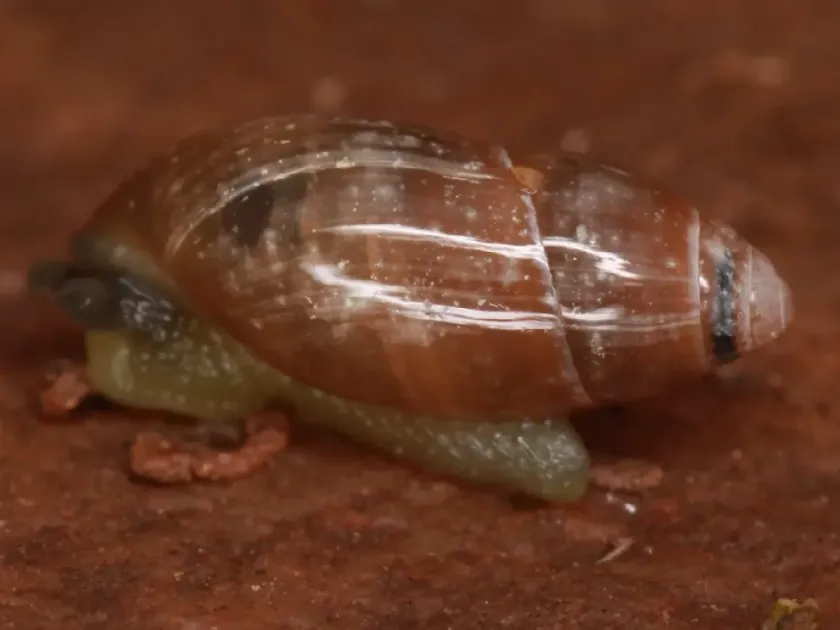
Ferussacia is a genus of small, air-breathing land snails belonging to the family Ferussaciidae. These mollusks are characterized by their small, elongated, and often translucent shells, typically ranging from 5 to 10 mm in length.
The shell of a Ferussacia snail usually has a smooth, glossy appearance and a pale amber color, which allows the mollusk to blend in perfectly with various soil types and substrates.
These pests thrive in moist environments and are predominantly active in damp, sheltered areas such as greenhouses, nursery pots, and under dense vegetation or debris on the forest floor or garden beds.
The life cycle involves egg-laying within the soil, followed by rapid development into juvenile forms. Due to their small size and subterranean habits, they can easily reach high population densities before being noticed.
They are highly specialized in exploiting hidden niches in the soil, making them resilient to minor environmental fluctuations and difficult to eradicate once they have established a stable colony.
What it damages
Ferussacia causes significant damage to vegetable crops, ornamental plants, and seedling beds. They feed by rasping plant tissues, targeting tender leaves, young stems, and delicate root systems of developing seedlings.
In greenhouses and indoor cultivation systems, these mollusks can be particularly devastating, as the constant humidity provides ideal conditions for them to multiply and feed around the clock.
The damage often begins at the root zone, where the snails feed on the fine roots, leading to nutrient deficiency, wilting, and overall stunted growth in affected plants, which often goes undiagnosed for some time.
Furthermore, the physical damage created by their feeding serves as an entry point for various plant pathogens, leading to secondary infections such as bacterial soft rot or various fungal diseases.
If left unmanaged, a localized infestation can quickly spread throughout a greenhouse or nursery area, resulting in the total loss of vulnerable batches of young plants.
Signs of infestation
The primary indicators of a Ferussacia infestation include irregular holes in the foliage of young plants and a generally ragged appearance of leaf edges, especially near the soil line.
A telltale sign of their presence is the characteristic shimmering, silvery dried slime trail left behind on the surface of the soil, pots, or stems of the infected vegetation.
If you suspect an infestation, carefully excavate the top layers of the soil near affected plants; you are likely to find the small, characteristic shells, particularly in shaded or damp parts of the pot or bed.
Plants suddenly showing signs of wilting or decline despite adequate watering are often suffering from root damage caused by these hidden pests dwelling beneath the soil surface.
- Silvery mucus trails on soil or containers;
- Irregular perforations in young leaves;
- Root damage leading to plant wilting;
- Presence of small empty shells in the substrate.
Control measures
The most effective strategy for managing Ferussacia is strict cultural control, including regular soil cultivation and the removal of organic debris that provides shelter for the mollusks.
Chemical control can be achieved through the application of molluscicides, specifically those labeled for use in greenhouses or gardens, applied as bait around the perimeter of the crop area.
Mechanical barriers, such as copper tape or abrasive materials like wood ash or crushed eggshells placed around the base of plants, can discourage the movement of these snails.
Implementing a trapping program using fermented liquids or moist bait boards allows for the monitoring and manual collection of adults, helping to reduce the overall population pressure on the crops.
Ensuring proper ventilation and drainage in greenhouse environments is critical, as reducing excess moisture directly disrupts the favorable conditions required for the reproduction of these pests.
Taxonomy
- Latin name
- Ferussacia
- Order
- Molluscs
- Family
- Ferussaciidae
- EPPO code
- FERUSP
Discussion
No discussions yet — be the first.