
Cecilioides
Cecilioides
Description
How to identify
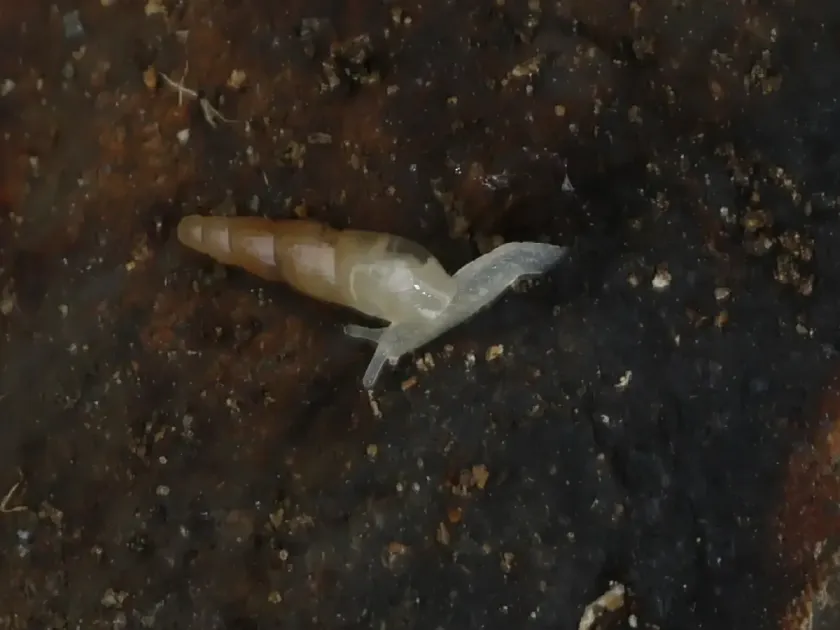
Cecilioides is a genus of minute, soil-dwelling snails belonging to the family Ferussaciidae. These mollusks are characterized by a translucent, elongated shell that is typically white or amber in color, measuring only 5-7 millimeters in length.
Due to their tiny size and lack of pigmentation, these snails are extremely difficult to detect in soil. They are highly specialized for a subterranean life and possess no eyes, as they spend their entire life cycle underground.
The body of the snail is soft and pale, allowing it to navigate easily through soil pores. Unlike surface-active slugs, they rarely emerge above ground, remaining hidden within the root zone of plants.
Taxonomically, they are pulmonate gastropods. Their biology is adapted to moist soil environments, where they thrive by consuming decaying organic matter, but they readily shift to feeding on living plant tissues.
Their presence is often overlooked until significant damage to the root system is observed, making them a "silent" but persistent pest in both nursery and greenhouse environments.
What it damages
This pest feeds on the subterranean parts of plants, including tender roots, seedlings, and root crops. It is particularly destructive to young vegetable seedlings and ornamental plants in containers or beds.
Root damage causes the plant to lose its ability to uptake water and nutrients effectively. This leads to stunted growth, wilting, and, in cases of severe infestation, the death of the seedling.
Feeding on root crops creates surface lesions and shallow cavities. These wounds serve as entry points for secondary pathogens like bacteria and fungi, which can lead to rot during storage.
In greenhouses, these snails can destroy germinating seeds before they emerge, leading to poor crop stands and economic losses for growers.
The damage is often localized but can spread rapidly throughout a nursery if favorable moisture conditions are maintained in the growing substrate.
Signs of infestation
The primary sign of an infestation is sudden, unexplained wilting of plants despite adequate moisture levels. Upon closer inspection of the root ball, one may find small, distinctive grazing marks on the roots.
On root crops such as carrots, radishes, or beets, small surface ulcers or pits indicate the presence of the pest. These marks are often mistaken for damage from other soil insects like wireworms.
Monitoring is difficult because the snails remain under the surface. Agronomists often use soil sampling or bait traps buried in the top layer of the soil to assess population density.
Micro-tunnels in the soil surrounding the roots are an indirect sign of their activity. These tunnels disrupt the soil-root contact, causing physiological stress to the plant.
Observing a sudden decline in seedling vigor without any visible foliage damage usually warrants a thorough inspection of the soil for the presence of these small mollusks.
Control measures
Controlling Cecilioides requires a multifaceted approach, emphasizing cultural and chemical methods. The main objective is to make the environment less hospitable for their survival.
Reducing soil moisture levels is critical. Regular cultivation and aeration of the topsoil help to dry out the surface layer, which can disrupt the life cycle of the snails.
Chemical control involving molluscicides, specifically those containing metaldehyde, can be effective when applied according to the label. These baits are usually distributed on the soil surface or incorporated into the upper substrate.
For greenhouse operations, steam sterilization or chemical disinfection of the substrate prior to planting is the most reliable way to prevent the introduction of these pests.
- Practice strict sanitation by removing organic debris.
- Use biological controls such as entomopathogenic nematodes.
- Implement proper crop rotation in greenhouse beds.
- Monitor with moisture-rich bait traps to determine treatment timing.
Taxonomy
- Latin name
- Cecilioides
- Order
- Molluscs
- Family
- Ferussaciidae
- EPPO code
- CECLSP
Discussion
No discussions yet — be the first.