
Pine needle aphid
Eulachnus rileyi
Description
How to identify
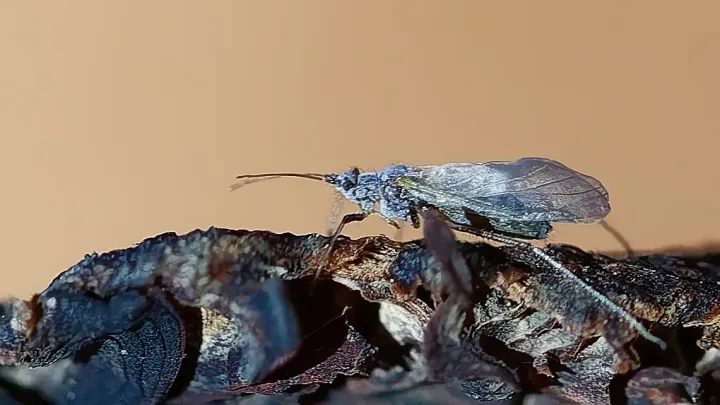
The Pine needle aphid (Eulachnus rileyi) is a small insect belonging to the family Aphididae. It is typically brown or tan in color, often blending perfectly with the bark and needles of its host tree, which makes early detection difficult.
The insects are equipped with long legs that enable them to move swiftly along the pine needles. They often position themselves in single file along the needle, feeding on the phloem sap. Both winged and wingless forms exist within the colony to facilitate migration.
What it damages
This pest exclusively targets various species of pine trees. Young trees and saplings in nurseries are particularly vulnerable to infestation, leading to stunted growth and reduced vigor.
By constantly extracting sap from the needles, the aphids disrupt the tree's internal nutrient transport. This stress weakens the tree, making it susceptible to secondary infections or infestations by wood-boring beetles.
When it appears
The life cycle is synchronized with the spring bud break of the host pines. Eggs hatch when temperatures rise in early spring, and the population quickly builds up during the warmer months.
Multiple generations occur throughout the growing season, typically peaking in late spring and early summer. The population dynamics are heavily influenced by the presence of natural predators and environmental conditions.
Signs of infestation
Visual symptoms include needle chlorosis, where the needles turn yellow, brown, and eventually drop prematurely. The crown may appear sparse and thin compared to healthy specimens.
The presence of honeydew is a primary indicator. This sugary substance is excreted by the aphids and promotes the growth of black sooty mold on the surface of the needles and branches, creating a distinctive blackened appearance.
Control measures
Effective management requires a combination of chemical intervention and cultural practices to maintain tree health and suppress aphid populations.
- Systemic insecticide treatments applied as soil drenches or foliar sprays.
- Introduction or conservation of biological control agents like lady beetles and lacewings.
- High-pressure water sprays to dislodge aphid colonies from smaller, accessible trees.
- Avoiding excessive nitrogen fertilization, which can stimulate rapid, succulent growth favored by aphids.
- Monitoring the lower canopy for early signs of needle discoloration.
Taxonomy
- Latin name
- Eulachnus rileyi
- Order
- Hemiptera (bugs, aphids, leafhoppers)
- Family
- Aphididae
- EPPO code
- EULARI
Discussion
No discussions yet — be the first.