
Pine aphid
Eulachnus
Description
How to identify
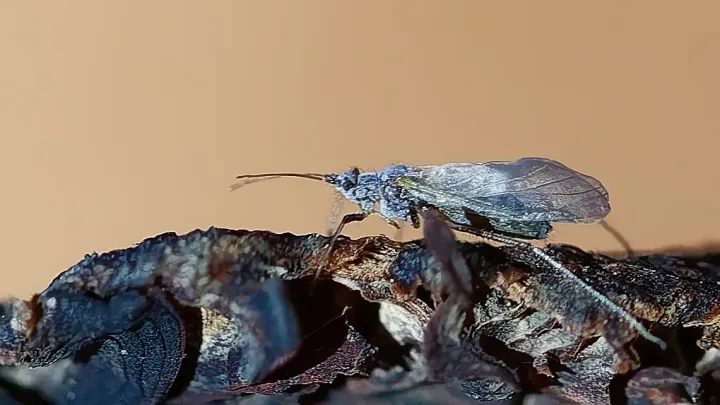
The pine aphid, belonging to the genus Eulachnus, consists of small insects typically measuring 2 to 4 mm in length. These aphids are often elongated and possess colors ranging from yellow to brown, which helps them blend seamlessly with pine needles.
Taxonomically, they are members of the order Hemiptera and the family Aphididae. They are characterized by relatively long legs, which enable them to move quickly along the pine needles to search for suitable feeding sites.
Their life cycle includes both wingless and winged forms. The winged adults are instrumental in spreading the colony to new hosts during the active growing season.
They reproduce via parthenogenesis, allowing populations to expand rapidly when environmental conditions, such as warm and dry weather, are optimal for their development.
The insects typically overwinter in the egg stage. These eggs are laid by females at the base of the needles or along the stems, where they remain protected throughout the cold season.
What it damages
These aphids primarily target various species of pine trees, including Scots pine and mountain pine. They feed by piercing the needles with their specialized mouthparts to suck the sap.
The loss of sap causes significant stress to the tree, which can lead to a decline in overall health and vigor. If not managed, severe infestations can stunt the growth of young trees.
Damage often manifests as chlorosis, where needles lose their green color and begin to yellow. Over time, this leads to premature needle drop, especially in older needles.
The aesthetic value of ornamental pines is significantly reduced, as the crown thins out and the branches become distorted due to the lack of nutrients and constant feeding stress.
Infested trees may become more susceptible to secondary attacks from bark beetles or fungal pathogens that exploit the tree's weakened state.
When it appears
Activity usually begins in the early spring as temperatures rise, signaling the start of the sap flow in the trees. The first generation of larvae emerges to begin feeding on young foliage.
The peak period of activity and colony growth occurs during late spring and early summer. During these months, the insects multiply rapidly, often forming dense clusters on the branches.
Summer heat can sometimes slow down reproduction, but populations often experience a resurgence in early autumn as they prepare for the next reproductive cycle or overwintering.
Regular monitoring should be prioritized during the spring growth flush, as this is when the trees are most vulnerable to aphid-induced physiological stress.
Autumn marks the end of the active feeding season, at which point the females focus on laying the overwintering eggs to ensure the survival of the population until the following spring.
Signs of infestation
A telltale sign of an infestation is the yellowing of needles, which often progresses from the bottom of the tree upwards. Affected needles may also become twisted or distorted.
Aphids excrete a sticky substance known as honeydew. This sugary waste can coat the needles and branches, subsequently attracting sooty mold, which appears as a black, powdery layer.
Presence of ants is another common indicator. Ants often visit infested branches to harvest the honeydew, effectively protecting the aphids from natural predators.
The presence of white, cast-off skins (exuviae) left behind by aphids as they grow is a definitive sign that a colony is currently active on the tree.
- Yellowing and browning of pine needles.
- Premature needle fall.
- Presence of sticky honeydew on branches.
- Growth of black sooty mold on the foliage.
- High ant activity on the tree trunk and branches.
Control measures
Systemic insecticides are the most effective way to control pine aphids. These products are absorbed into the tree's vascular system, ensuring the pest is eliminated during feeding.
For smaller infestations, horticultural oils or insecticidal soaps can be used. These work by contact, so thorough coverage of the needle surface is essential for success.
Encouraging beneficial insects such as ladybugs, lacewings, and hoverflies can help suppress aphid populations naturally, reducing the need for chemical interventions.
Cultural management is vital. Maintaining tree health through proper irrigation, fertilization, and avoiding overcrowding helps trees better withstand aphid pressure.
Regular inspections are recommended. If aphids are detected early, a focused treatment program can prevent the infestation from becoming widespread and causing significant damage to the crown.
Taxonomy
- Latin name
- Eulachnus
- Order
- Hemiptera (bugs, aphids, leafhoppers)
- Family
- Aphididae
- EPPO code
- EULASP
Discussion
No discussions yet — be the first.