
Birch aphid
Euceraphis
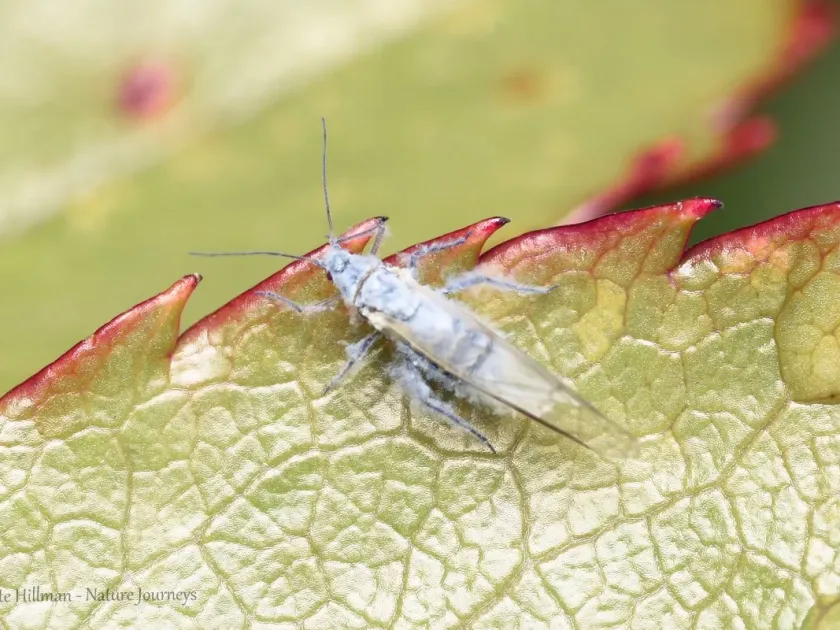
Description
How to identify
The birch aphid (Euceraphis) is a specialized genus of aphids belonging to the Aphididae family, which exclusively infest various species of birch (Betula).
These insects are generally pale green or yellowish, sometimes with dark markings, allowing them to blend in perfectly with the birch foliage.
Most individuals are winged, which enhances their ability to disperse throughout the canopy of the host tree during the growing season.
The life cycle involves overwintering as eggs, which are deposited in autumn by females into crevices of the bark or near dormant buds.
The first nymphs emerge in early spring, synchronized with the opening of birch buds, and begin feeding immediately to start the rapid population growth.
What it damages
Birch aphids feed by inserting their stylets into the leaf tissue and extracting nutrient-rich plant sap, which disrupts the tree's metabolic functions.
Heavy infestations cause the leaves to curl, yellow, and occasionally drop prematurely, which is particularly detrimental to young, vulnerable trees.
The constant removal of sap drains the tree's energy reserves, reducing its vigor and its ability to withstand environmental stress or drought.
Furthermore, the physical damage to the leaves impairs photosynthesis, leading to reduced growth rates for both ornamental and forest-grown birch specimens.
Trees weakened by aphid feeding become susceptible to secondary pathogens and may exhibit stunted growth over several consecutive seasons of infestation.
When it appears
The life cycle is closely tied to the phenology of birch trees, with activity peaking during the spring bud-burst and early summer leaf development.
Populations tend to decline in mid-to-late summer, often due to high temperatures and the increased activity of natural predators such as lady beetles.
Late summer and autumn are characterized by the production of sexual forms and the laying of overwintering eggs for the following year.
Environmental factors, especially mild and damp springs, can trigger rapid population explosions, necessitating close monitoring of the trees.
Understanding these seasonal patterns is crucial for timing interventions, as the most effective control measures are applied early in the cycle.
Signs of infestation
The presence of sticky honeydew on the leaves and branches is the most common indicator that a colony of aphids is active in the tree canopy.
Sooty mold often grows on this honeydew, appearing as a dark, powdery substance on the leaves and inhibiting the tree's ability to process sunlight.
Curling of leaves is a typical physical symptom caused by the concentrated feeding of nymphs and adults on the undersides of the foliage.
The presence of ants patrolling the branches to feed on honeydew is a strong behavioral sign that aphids are being protected by ant colonies.
- Curled and discolored leaves
- Sticky honeydew coating branches
- Black sooty mold growth
- High ant activity on the trunk
- Premature leaf drop
Control measures
Systemic insecticides are the most effective chemical method for control, as they are absorbed by the tree and kill aphids upon feeding.
Dormant oil sprays applied in early spring can be highly effective in suffocating the overwintering eggs before they have a chance to hatch.
Integrated pest management strategies often focus on conserving natural enemies like lacewings and hoverflies, which are vital for long-term suppression.
Applying sticky barriers to the tree trunk can prevent ants from accessing the aphids, leaving the pests exposed to their natural predators.
Maintaining tree health through proper irrigation and soil care increases the tree's natural resilience against aphid population surges.
Taxonomy
- Latin name
- Euceraphis
- Order
- Hemiptera (bugs, aphids, leafhoppers)
- Family
- Aphididae
- EPPO code
- EUCESP
Discussion
No discussions yet — be the first.